
Key Points
- Cambridge Water introduced its first Temporary Use Ban across the region in more than 30 years.
- Restrictions will remain in place for several months to allow underground aquifers, rivers, and groundwater reserves to recover.
- The utility firm brought in the restrictions after record high temperatures, a exceptionally dry spring, and a 30% increase in domestic water use.
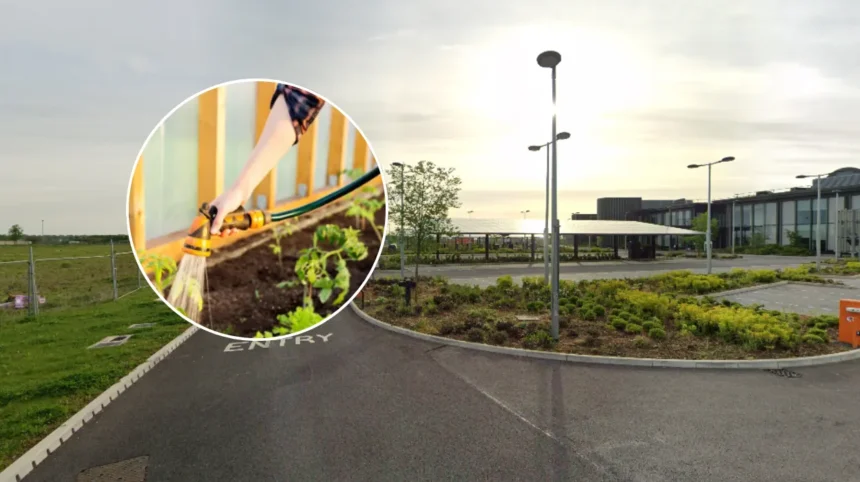
- The ban covers domestic garden watering, car washing, filling swimming pools or hot tubs, and cleaning outdoor surfaces such as patios and windows with a hosepipe.
- Exemptions apply to Blue Badge holders, customers on the Priority Services Register, and commercial businesses that rely on hosepipes for essential work.
CAMBRIDGESHIRE (Cambridge Tribune) September 17, 2026 – The Temporary Use Ban across Cambridgeshire will remain in force for several months as water utility companies work to rebuild critically low groundwater reserves following prolonged dry weather.
Cambridge Water officially introduced restrictions on July 9, 2026, with full legal enforcement taking effect on July 17, 2026—marking the company’s first hosepipe ban in more than 30 years. Neighboring supplier Anglian Water similarly instituted regional restrictions to protect local chalk streams, rivers, and underground aquifers.
As reported by reporting staff at Cambridge Water, Elena Karpathakis, Managing Director of Cambridge Water, stated: “We know how important reliable water supplies are to the communities we serve, and we are asking customers to work with us to reduce non-essential water use while this period of exceptionally hot and dry weather continues”.
The utility firm highlighted that consumer demand spiked by 30% during summer heatwaves—equivalent to an additional 300,000 baths per day—placing unsustainable pressure on local infrastructure.
What Specific Activities Are Prohibited Under the Restrictions?
Under the terms of the Temporary Use Ban, domestic customers supplied by Cambridge Water and Anglian Water are prohibited from using hosepipes connected to mains water supplies for non-essential outdoor tasks.
Restricted activities include:
- Watering domestic gardens or allotment plots.
- Washing personal motor vehicles, trailers, or recreational craft.
- Cleaning residential patios, driveways, decking, or exterior windows.
- Filling or maintaining domestic swimming pools, hot tubs, paddling pools, or ornamental garden ponds.
Residents are permitted to carry out these tasks using hand-held watering cans or buckets filled from mains supply, as well as utilizing stored rainwater or harvested greywater. As detailed in operational updates published by Cambridge Water, exemptions apply to customers with mobility limitations or severe health conditions, individuals registered on the company’s Priority Services Register, and commercial entities where hosepipe usage is strictly required for business operations.
How Have Authorities and Industry Leaders Responded to the Crisis?
Regional water management bodies have underscored the necessity of statutory restrictions to safeguard vulnerable natural habitats across Cambridgeshire, particularly the region’s delicate chalk stream ecosystems.
As reported by regional affairs journalists covering Water Resources East, Daniel Johns, Managing Director of Water Resources East, stated: “Implementing a temporary usage ban is the responsible thing for Cambridge Water to do to protect the environment in current weather conditions and in response to the recent spike in water demand”.
Johns further noted that while Cambridge Water has historically recorded low leakage performance and low per-capita demand, the region’s high dependence on groundwater abstractions creates acute vulnerability during extended droughts.
Cambridge Water management has confirmed a £224 million investment programme spanning five years to enhance pipeline infrastructure, reduce network leaks by a further 20%, and replace over 50 kilometers of aging mains pipes to support long-term supply resilience.
Background of the Particular Development
The current restriction across Cambridgeshire follows a sequence of climatic events that began during the winter and spring months of 2026. The East of England experienced one of its driest springs on record, followed by repeated heatwave conditions in May and mid-summer that pushed water consumption to all-time highs.
Unlike regions dependent primarily on surface reservoirs, Cambridgeshire draws the vast majority of its public water supply from underground chalk aquifers. Chalk aquifers rely almost exclusively on winter rainfall to recharge.
High summer rain events generally do not replenish underground water stores because rainfall is absorbed by dry soil or lost through evaporation. Consequently, even when rainfall returns intermittently during autumn, groundwater levels require multiple months of sustained, heavy winter precipitation to restore to normal operational capacity.
Prediction: How This Development Will Affect the Local Community
The extended duration of the hosepipe ban will directly impact residential households, agricultural producers, horticultural businesses, and local council operations throughout Cambridgeshire over the coming months.
- Domestic Residents: Households will need to adjust outdoor water routines through the autumn season. While bucket watering remains legal, manual garden care requires significantly more time and effort, likely leading to changes in home landscaping choices and increased adoption of rainwater harvesting systems.
- Horticultural and Landscaping Businesses: Local garden centers, commercial nurseries, and professional landscapers may experience shifted demand. While commercial hosepipe use for business operations is generally exempt, diminished consumer confidence in planting gardens during active restrictions could suppress retail sales for outdoor plants and landscaping services.
- Environmental Infrastructure and Agriculture: Continued conservation of mains water reduces the volume abstracted from local rivers and chalk streams, helping mitigate ecological degradation for aquatic wildlife. However, agricultural growers in the Fenlands and rural Cambridgeshire face ongoing abstraction limits that may influence harvest yields and crop choices for upcoming planting cycles.