
Key Points
- An inquest heard that 18-year-old Declan Berry drowned after his Volkswagen Polo flipped, rolled through the air, and entered the River Nene at North Brink in Wisbech, Cambridgeshire.
- Police investigators found that Berry was driving at roughly 90mph in a 60mph zone shortly before losing control.
- Passenger Eden Bunn, 16, also died in the crash; search teams recovered her body from the submerged car the next day.
- Cambridgeshire and Peterborough Area Coroner Elizabeth Gray ruled that excessive speed was the main cause, but noted that deep potholes and road surface damage contributed to the crash.
- Three teenage passengers escaped through broken windows with minor injuries, and one survivor told police that Berry was asked to slow down before the crash.
- Court records showed local authorities received more than 100 complaints about the state of North Brink before the crash, with repair teams fixing the surface immediately after the incident.
WISBECH (Cambridge Tribune) September 21, 2026 – An inquest into the tragic death of an 18-year-old driver has revealed that his vehicle “flipped” and “rolled through the air” before landing fully submerged in the River Nene whilst he was driving at an “excessive” and “inappropriate speed” along a rural road plagued by potholes.
- Key Points
- What Were the Circumstances Surrounding the Fatal River Nene Crash?
- What Did the Eyewitnesses and Surviving Passengers Reveal to Police?
- What Did the Investigation Conclude Regarding Speed and Road Conditions?
- Background of the North Brink Road Maintenance and Speed Safety Issues
- Prediction: How This Development May Affect Road Safety Policies, Local Residents, and Young Drivers
What Were the Circumstances Surrounding the Fatal River Nene Crash?
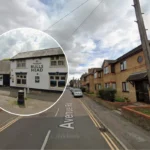
As reported by Hunni Haynes of Cambridgeshire Live, an inquest held on Monday, September 21, 2026, by Cambridgeshire and Peterborough Area Coroner Elizabeth Gray heard how 18-year-old Declan Berry died from drowning following a single-vehicle road traffic collision on March 17, 2026. The incident occurred at approximately 8:19pm along North Brink in Wisbech St Mary.
Declan Berry was driving his blue Volkswagen Polo, carrying four teenage passengers aged between 16 and 18, when the vehicle left the carriageway, mounted a grass bank, and plunged into the river. The car became fully submerged in the water.
The court heard that three occupants—a front-seat male passenger aged 18 and two female rear-seat passengers aged 16—managed to break free from the vehicle underwater and escape through broken windows. However, Declan Berry and 16-year-old rear passenger Eden Bunn, from Sutton Bridge, failed to surface.
The body of Eden Bunn was recovered by emergency services the following day on March 18. Declan Berry’s body was recovered two weeks later, on March 31, near Wisbech Marina at Crab Marsh. As detailed by ITV News Anglia, police officers formally identified Mr Berry’s body using a distinctive tattoo on the back of his neck and his branded work clothing.
As reported by John Elworthy of the Eastern Daily Press, Police Collision Investigator Detective Constable Les Ellmer and PC James Mills confirmed that a post-mortem examination concluded Declan Berry’s cause of death was drowning.
What Did the Eyewitnesses and Surviving Passengers Reveal to Police?
As reported by Hunni Haynes of Cambridgeshire Live, crucial witness statements read out in court detailed the events inside and outside the vehicle immediately prior to the crash.
The unnamed 18-year-old male front-seat passenger stated that he met the group at a local McDonald’s before going for a drive. As reported by ITV News Anglia, the witness believed Mr Berry “intended to show off”. According to court records cited by Cambridgeshire Live, the front-seat passenger noticed the speedometer reading approximately 90mph. As reported by John Elworthy of the Eastern Daily Press, the front-seat passenger explicitly urged Mr Berry to slow down, to which Mr Berry replied, “It will be all right,” before hitting a severe pothole, losing control, and shouting “Oh sh” as the car left the road.
As reported by ITV News Anglia, one female rear-seat passenger stated that there was no music playing in the vehicle, describing the atmosphere as “e eerie”. She noted that while she had not voiced concern, she was “accustomed to Declan driving fast”. Another female rear passenger, who was not wearing a seatbelt, recalled a near-miss on the exact same stretch of road just a week earlier. She described hearing a loud thud beneath the car before struggling to release her seatbelt as the vehicle entered the river.
As reported by ITV News Anglia, local resident Thomas Bilverstone, who was working on his car adjacent to the River Nene, described hearing a “loud impact”. Upon looking up, Mr Bilverstone witnessed the vehicle “rolling through the air” before crashing into the water. He immediately directed his partner to call emergency services and ran to the bank, where he located the three surviving occupants as they emerged from the dark water.
What Did the Investigation Conclude Regarding Speed and Road Conditions?
As reported by Greatest Hits Radio, Area Coroner Elizabeth Gray summarized the findings of the forensic collision investigation carried out by Cambridgeshire Police. The investigation confirmed that there were no mechanical defects with the Volkswagen Polo and no evidence that weather conditions played a role in the incident.
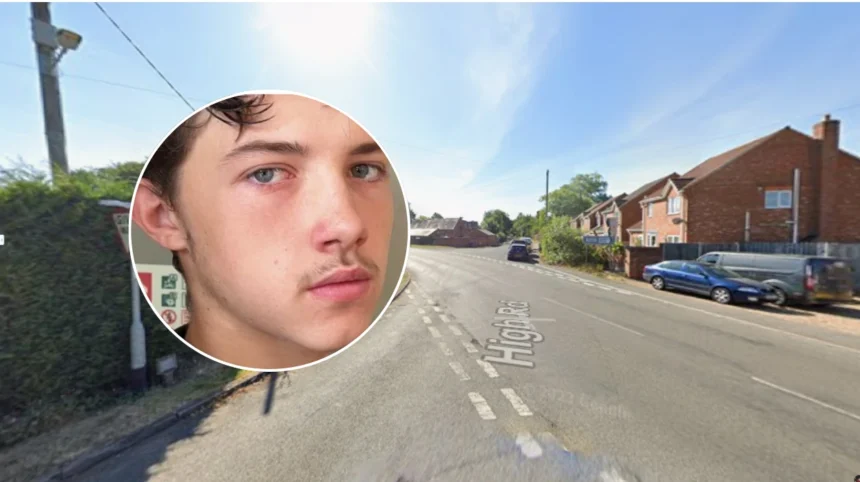
However, the condition of North Brink was identified as a major factor. Although the single-track rural road has a national speed limit of 60mph, evidence submitted to the court proved it was severely degraded, containing “numerous potholes, crumbling edges, and uneven surfaces along its length”. The court noted that local authorities had received over 100 formal complaints regarding the poor state of North Brink prior to the accident.
As reported by Hunni Haynes of Cambridgeshire Live, Coroner Elizabeth Gray stated that Declan Berry was driving at “an excessive and inappropriate speed” of around 90mph. She concluded:
“I conclude Declan died as a result of a road traffic collision from excessive speed; prevailing road conditions more than minimally contributed to his death.”
The court noted that had Mr Berry been travelling at a reduced speed, it would have been highly unlikely that the loss of control and subsequent rollover would have been so severe. It was also confirmed that comprehensive repair works on North Brink were carried out immediately following the crash while the road was closed for police investigation.
Background of the North Brink Road Maintenance and Speed Safety Issues
The fatal crash on March 17, 2026, brought intense public scrutiny to the maintenance of rural highways across Cambridgeshire, specifically along the River Nene embankment at North Brink. Prior to the incident, local residents and parish councillors had repeatedly highlighted the dangers posed by the degradation of North Brink. Single-lane and narrow rural carriageways flanked by water bodies are inherently high-risk zones, requiring ongoing structural maintenance to prevent edge-slumping and deep pothole formation.
The inquest’s disclosure that over 100 complaints had been registered regarding North Brink prior to the tragedy underscores a long-standing backlog in local council road repairs. While highway authorities operate under statutory duties under the Highways Act 1980 to maintain public roads in a safe condition, rural routes frequently face deferred maintenance cycles due to budgetary constraints. The rapid execution of road repairs immediately after the fatal crash further highlighted the preventable nature of structural hazards, sparking local debates over council liability and preventative infrastructure investment.
Prediction: How This Development May Affect Road Safety Policies, Local Residents, and Young Drivers
The inquest findings and official coroner conclusions are expected to trigger significant structural and administrative changes across multiple sectors:
1. Cambridgeshire County Council and Local Authorities
The formal inclusion of road conditions as a contributing factor in a double fatal inquest exposes highway authorities to heightened public scrutiny and potential legal claims. Local residents along North Brink and similar riverbank corridors will likely see accelerated resurfacing projects, reduced speed limits on narrow single-track roads, and the installation of enhanced physical barriers or crash guardrails along exposed riverbanks to prevent vehicles from entering the water.
2. Young Driver Safety Campaigns and Graduated Licensing Debates
The combination of peer pressure, speed (“showing off”), and limited driving experience—evidenced by Mr Berry holding three penalty points prior to the crash—will bolster calls from road safety charities (such as Brake) for the UK government to introduce Graduated Driver Licensing (GDL). Such measures could include nighttime curfews, engine power restrictions, and limits on carrying peer-aged passengers for newly qualified drivers during their first year on the road.
3. Rural Communities and Commuters
For local residents in Fenland and rural Cambridgeshire communities, the case serves as a stark reminder of the compounding dangers of excessive speed and poorly maintained infrastructure. Drivers navigating rural single-lane roads will face tighter enforcement, including potential mobile speed camera deployments along high-risk stretches near waterways.