

Key Points
- Cambridge Memorial Hospital (CMH) added a third mental health safe room and upgraded existing emergency care spaces following recent renovations.
- A dedicated route through the emergency bay entrance now allows police to bring patients in crisis directly to the safe rooms, bypassing general waiting areas.
- A $300,000 contribution from the City of Cambridge’s 2026 budget funded the emergency department renovations.
- Hospital officials reported that emergency visits related to mental health and addiction doubled compared to the previous year.
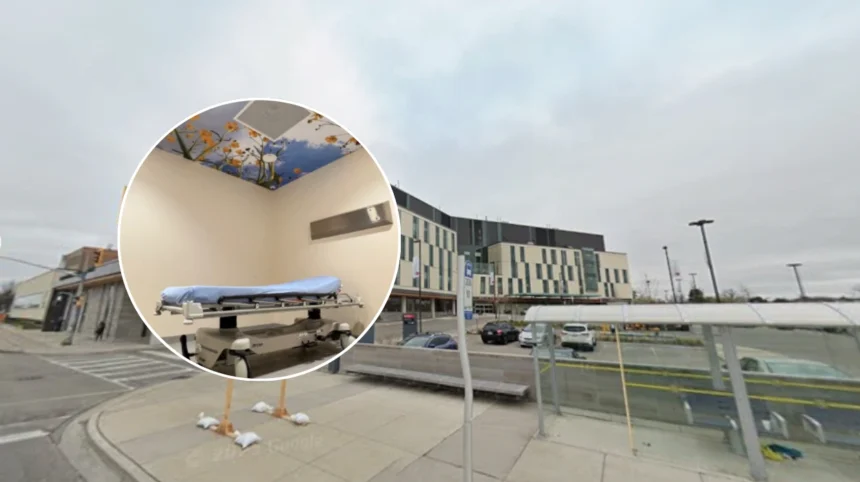
- The renovated rooms incorporate safety features and low-stimulation elements, including ceiling murals, to support patients during acute behavioral crises.
Cambridge (Cambridge Tribune) September 16, 2026 – Memorial Hospital (CMH) has completed renovations in its emergency department, resulting in the addition of a third dedicated mental health safe room to accommodate rising patient volumes. As reported by CambridgeToday, the newly expanded space provides specialized care for individuals experiencing acute mental health or addiction-related crises, while simultaneously improving overall safety across the emergency department.
- Key Points
- What Role Do Local Police and Community Partners Play in the New Triage Process?
- How Was the Expansion Funded, and What Prompted the Renovation?
- Background of Mental Health Infrastructure Upgrades at Cambridge Memorial Hospital
- Impact Prediction: How Will This Infrastructure Expansion Affect Local Residents and First Responders?
As detailed by CityNews Kitchener, Lisa Short, President and Chief Executive Officer of the CMH Foundation, stated that “the new room and enhanced space provide patients experiencing a mental health or addiction-related crisis with a dedicated space for specialized care, while improving the experience and safety of everyone who relies on our emergency department”.
As reported by CambridgeToday, the physical enhancements extend beyond basic patient rooms, incorporating specific therapeutic design features. The specialized environments feature anti-ligature safety measures alongside soothing visual elements, such as decorative ceiling murals, aimed at reducing distress for patients undergoing severe psychological emergency assessments.
What Role Do Local Police and Community Partners Play in the New Triage Process?
As reported by CityNews Kitchener, Cambridge Memorial Hospital continues to work in close coordination with the Waterloo Regional Police Service and local health stakeholders to manage individuals in crisis. Under the updated operational workflow, emergency responders can now access a dedicated route via the hospital’s emergency bay entrance.
As stated by the CMH Foundation in a public release covered by CambridgeToday, “patients experiencing mental health emergencies no longer need to wait in the general Emergency Department waiting area and can instead be seen by a specialist in the Safe Rooms to support their needs,” adding that “this helps patients move more quickly into a secure, appropriate environment”.
As reported by CityNews Kitchener, proactive communication channels between hospital staff, first responders, and municipal services have been formalized to streamline transfer times and ensure timely medical intervention.
How Was the Expansion Funded, and What Prompted the Renovation?
As reported by CityNews Kitchener, the infrastructure project was made possible through municipal funding, backed by a $300,000 allocation approved by the City of Cambridge in its 2026 municipal budget.
As stated by Cambridge Mayor Jan Liggett in coverage by CambridgeToday, “we are proud to continue working with Cambridge Memorial Hospital and the Foundation to strengthen the care available in Cambridge and to make investments that help our people when they need it most”. To acknowledge the financial contribution of local taxpayers and civic leadership, a commemorative plaque has been permanently installed adjacent to the safe rooms within the emergency department.
According to official data released by Cambridge Memorial Hospital and covered across regional news outlets, the addition was driven by a dramatic surge in local demand, with hospital visits related to mental health and addiction crises doubling year-over-year.
Background of Mental Health Infrastructure Upgrades at Cambridge Memorial Hospital
The completion of the third emergency safe room marks the latest phase in a multi-year effort to modernize Cambridge Memorial Hospital’s healthcare facilities. In early 2025, the hospital completed a major provincial redevelopment project spanning over 400,000 square feet, which included a new patient care tower, an expanded capacity of 197 beds, and modernized diagnostic departments.
Despite overall structural expansions, acute mental health admissions continued to strain emergency room capacity across the Waterloo Region. In response, CMH maintains a specialized 25-bed Inpatient Mental Health Unit—which includes a 5-bed Psychiatric Care Unit for high-observation cases—alongside outpatient and day hospital programming. However, emergency intake remained a bottleneck.
The development of specialized safe rooms inside the Emergency Department ensures that immediate stabilization and Psychiatric Assessment and Admission Nurse (PAAN) evaluations can take place in a secure environment before formal hospital admission or community referral.
Impact Prediction: How Will This Infrastructure Expansion Affect Local Residents and First Responders?
The addition of a third mental health safe room and the establishment of a direct police entrance will directly alter the delivery of crisis healthcare for several distinct groups across the region:
- Emergency Department Patients and Families: Individuals seeking emergency care for physical trauma or acute illnesses will experience reduced overcrowding and noise in general waiting areas, as mental health admissions bypass primary waiting rooms. Patients experiencing psychological crises will receive faster triage from specialized clinical staff in a dignified, sensory-controlled space.
- Waterloo Regional Police and Emergency Medical Services (EMS): Direct access through the emergency bay entrance significantly reduces offload wait times for officers and paramedics bringing individuals in under mental health detentions. This operational efficiency allows police officers to return to active community patrols faster rather than monitoring patients in public hospital corridors.
- Hospital Medical Personnel: Clinical staff, including emergency doctors and mental health nurses, gain access to safer physical spaces specifically designed to mitigate injury risks during acute behavioral incidents. This environment lowers workplace stress, streamlines specialist handoffs, and facilitates faster clinical assessment.