
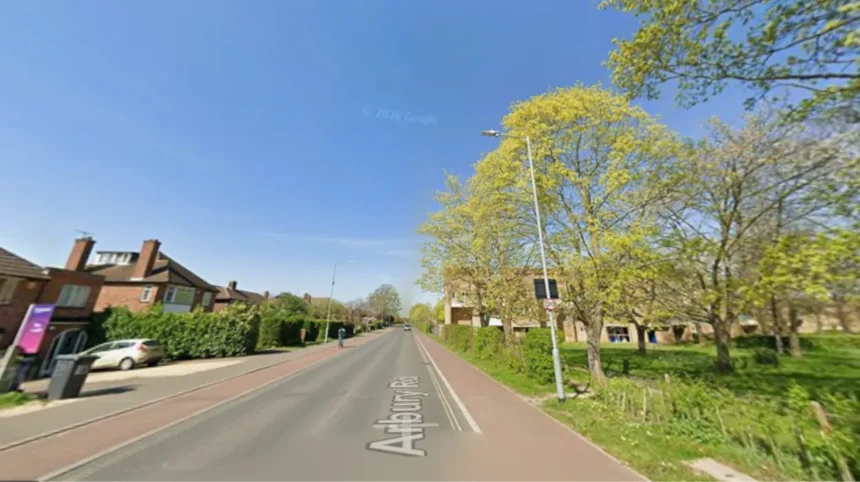
Arbury Road serves as a major arterial corridor connecting Chesterton, King’s Hedges, and central Cambridge within the Cambridgeshire County Council highway network. The thoroughfare accommodates thousands of daily vehicular trips, local bus routes, and high volumes of cyclists accessing local schools and commercial hubs.
- Why Were Traffic Calming Measures Installed on Arbury Road?
- How Does the Arbury Road Resident Parking Scheme Work?
- What Active Travel Upgrades Have Been Built on Arbury Road?
- How Do Parking Restrictions Impact Local Businesses and Visitors?
- What Future Infrastructure Changes Are Planned for Arbury Road?
Over recent years, high baseline traffic volumes combined with unregulated curb space usage have led to severe congestion, restricted emergency vehicle access, and reduced air quality across the primary residential corridor.
To address these systemic infrastructural challenges, local transport authorities introduced formal statutory regulatory mechanisms under the Road Traffic Regulation Act 1984. The framework relies on statutory traffic regulation orders to manage vehicle speeds, restrict commuter parking, and prioritize active travel infrastructure across northern Cambridge neighborhoods.
Managing this dynamic highway space requires balancing the needs of permanent residents, emergency service accessibility, delivery operations, and multi-modal commuters traveling toward the Cambridge Science Park and city center.
Understanding the historic and operational layout of the corridor highlights why comprehensive traffic management schemes became necessary for local council planners.
Why Were Traffic Calming Measures Installed on Arbury Road?
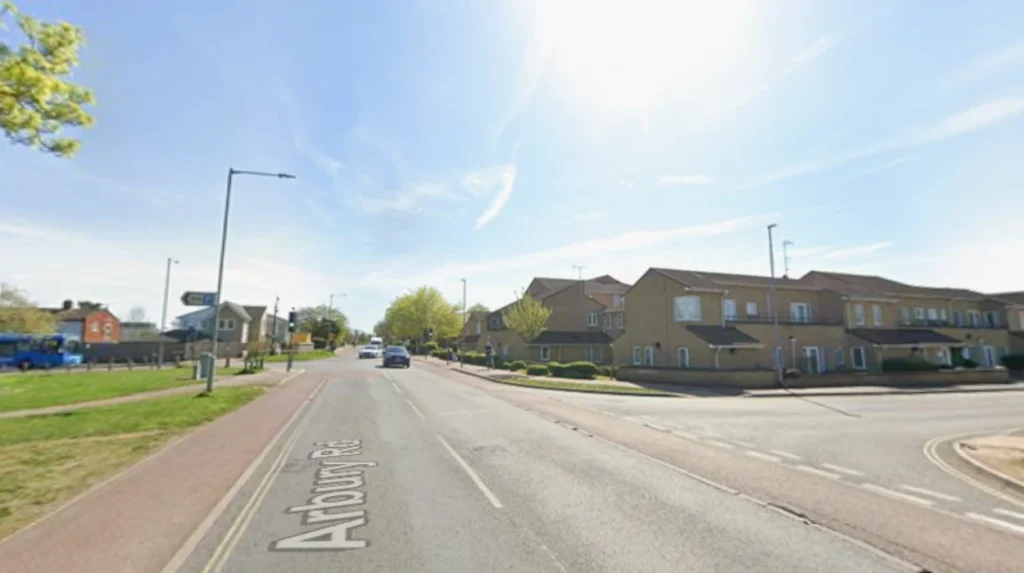
Traffic calming measures were installed on Arbury Road to reduce excessive vehicle speeds, lower collision risks, and protect vulnerable road users near residential zones and academic facilities. Historical vehicle flow data indicated consistent speeding along straight stretches, creating hazardous conditions for pedestrians crossing near North Cambridge Academy and local primary schools.
The intervention strategy incorporated physical traffic engineering tools designed to enforce lower speeds naturally through roadway design. Cambridgeshire County Council and the Greater Cambridge Partnership implemented speed cushions, narrowed carriageway sections, and raised zebra crossings. These physical modifications force drivers to reduce speeds to 20 miles per hour, significantly decreasing stopping distances and collision severity.
Beyond immediate safety improvements, traffic calming plays a crucial role in enabling broader shifts toward sustainable transport choices across the city.
Physical speed reduction measures directly lower localized noise pollution, mitigate exhaust emissions from rapid acceleration, and establish a safer environment for pedestrian travel. Prioritizing non-motorized infrastructure along Arbury Road encourages residents to adopt walking and cycling for short local trips, directly supporting regional decarbonization and active travel objectives.
How Does the Arbury Road Resident Parking Scheme Work?
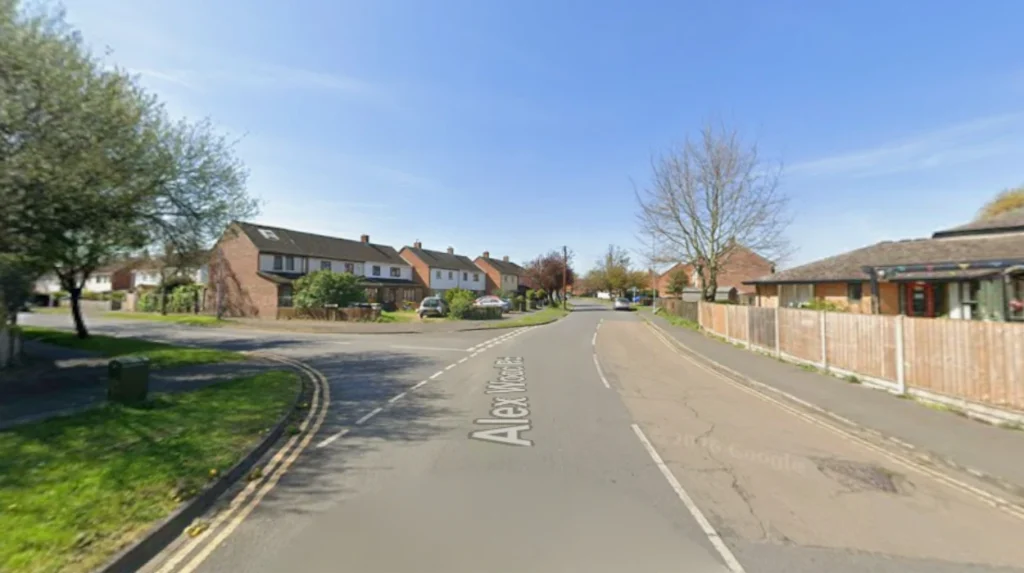
The Arbury Road Resident Parking Scheme operates by restricting on-street curb space exclusively to permit holders during designated operational hours to stop commuter parking. Permit schemes prevent non-resident commuters working in central Cambridge or nearby business parks from occupying residential street capacity throughout the working day.
The scheme relies on strict operational parameters defined by Cambridgeshire County Council parking enforcement regulations. Zone boundaries delineate specific eligible addresses along Arbury Road and adjoining side streets. Operational hours typically apply from Monday through Saturday, during which unpermitted vehicles face penalty charge notices issued by civil enforcement officers.
Residents must apply digitally by providing valid proof of address and vehicle registration details to receive electronic permits. Visitor permits are allocated via an annual allowance system, enabling residents to register guest vehicles temporarily through an online portal. This controlled allocation system maintains parking availability for residents while accommodating necessary home visits and service vehicles.
What Active Travel Upgrades Have Been Built on Arbury Road?
Active travel upgrades on Arbury Road include segregated cycle lanes, widened footpaths, priority junction alignments, and low-level cycle traffic signals designed to separate cyclists from heavy motor traffic. These engineering upgrades were delivered as part of the Greater Cambridge Partnership Cross City Cycling program.
The structural core of the active travel overhaul involved replacing substandard painted cycle lines with physically segregated pathways featuring the specialized Cambridge kerb.
This angled profile provides a physical barrier protecting cyclists from motor vehicles while preventing vehicle tires from mounting the cycle track. Key signalized junctions, such as the Campkin Road intersection, were upgraded with dedicated low-level cycle signals that grant cyclists advance green lights ahead of turning motor traffic.
These structural enhancements directly address historical safety deterrents that previously discouraged less experienced cyclists from using the route.
The provision of high-quality active travel infrastructure ensures that cycling becomes a reliable, safe mode of daily transport for students and commuters. Segregated paths reduce vehicle-cyclist interactions, lowering accidental collision risks along key arterial connections across northern Cambridge.
How Do Parking Restrictions Impact Local Businesses and Visitors?
Parking restrictions impact local businesses and visitors by limiting long-term free on-street parking while creating dedicated turnover spaces for customers and delivery operations. Commercial operators located along Arbury Road require continuous access for loading, quick customer stops, and employee parking during business hours.
To balance commercial viability with residential parking needs, transport planners integrate short-stay pay-and-display bays alongside designated loading zones near retail clusters.
Business owners can apply for specific business parking permits, allowing essential operational vehicles to park within controlled zones during working hours. Loading restrictions apply during peak traffic periods to prevent delivery vans from blocking sightlines or constricting narrow carriageway lanes.
While short-term visitors must utilize designated pay-and-display bays or rely on visitor permits issued by local residents, these regulations prevent long-term commuter gridlock. Structured parking turnover ensures local shops retain accessible curb space for customers throughout the day.
What Future Infrastructure Changes Are Planned for Arbury Road?
Future infrastructure changes planned for Arbury Road focus on expanding sustainable transport networks, upgrading pedestrian crossings, and integrating smart traffic management systems. Local government bodies continuously review corridor performance through automated traffic counting equipment installed at key monitoring points.
Future planning initiatives align with the broader Cambridge City Council Framework for Change, which guides long-term capital investment across Arbury, King’s Hedges, and Chesterton. Proposed projects include installing additional zebra crossings under the Local Highways Improvement program, expanding green infrastructure along footpaths, and enhancing bus priority measures at major intersections.
Ongoing monitoring ensures that future physical upgrades respond directly to measured vehicle counts, speed compliance data, and active travel usage figures over the coming decade.
Can visitors park on Arbury Road during operational hours?
Visitors can park on Arbury Road during operational hours if they display a valid visitor permit issued by a resident or park in designated short-stay pay-and-display bays.
What is the speed limit on Arbury Road in Cambridge?
The enforced speed limit on Arbury Road is 20 miles per hour, supported by physical traffic calming features like speed cushions and raised crossings.
How do segregated Cambridge kerbs protect cyclists on Arbury Road?
Segregated Cambridge kerbs feature an angled concrete barrier that physically separates the cycle lane from motor traffic, preventing vehicles from encroaching into space reserved for cyclists.
Where can I report illegal parking along Arbury Road?
Illegal parking along Arbury Road can be reported directly to the Cambridgeshire County Council parking enforcement team or Cambridge City Council civil enforcement division.