
Grantchester hospitality venues operate on reduced autumn and winter schedules from October through March. The Orchard Tea Garden, historic public houses, and local footpaths maintain specific opening hours, providing continuous service to off-season visitors seeking food, drink, and access.
Grantchester is a village located two miles southwest of Cambridge, England, situated along the River Cam. During the autumn and winter months, tourist numbers drop significantly compared to summer peak levels.
Local businesses transition to cold-weather operating models to accommodate permanent residents and seasonal walkers. The Orchard Tea Garden shifts its primary operations from the outdoor apple orchard to the indoor Rupert Brooke Room between October and March.
Opening times at this historic venue adjust to Wednesday through Sunday from 10am to 4pm, weather permitting. Outdoor deckchair seating is stored away to protect the grounds and prevent turf degradation. The four village public houses—The Blue Ball Inn, The Green Man, The Red Lion, and The Rupert Brooke—remain operational throughout the winter season.
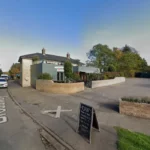
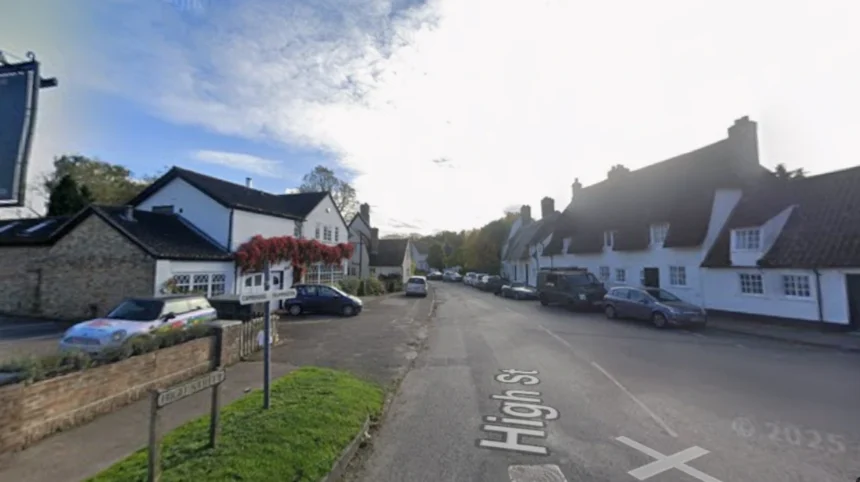
These establishments offer indoor fireplaces, warm food menus, and full beverage services. Operating schedules for these pubs typically run from 12pm to 11pm Mondays through Saturdays, with shortened Sunday hours closing at 7pm or 10pm. Visitors can access these venues directly via the High Street and Broadway thoroughfares. Off-season travel to Grantchester requires planning around shortened daylight hours and modified venue rotas.
How Do You Reach Grantchester Meadows and Walking Routes in Winter?
Visitors reach Grantchester Meadows in winter by following the Grantchester Grind footpath from Paradise Nature Reserve in Cambridge. Public footpaths remain accessible year-round, connecting central Cambridge directly to the village through public riverbank land.
Grantchester Meadows covers a broad expanse of flood plain drainage pasture alongside the River Cam. The primary pedestrian route from central Cambridge is the Grantchester Grind, a paved and unpaved pathway spanning approximately two miles.
In autumn and winter, the path experiences increased moisture, mud, and occasional water overflow from the river banks. Walking route maintenance is managed by local parish councils and land trusts to ensure pedestrian safety. Footwear with deep tread or waterproof rubber boots is required to navigate saturated ground conditions during wet weather.
Alternative dry access is available via the tarmac cycle path along Barton Road, connecting to Grantchester Road. Cyclists can navigate this paved infrastructure in all weather conditions without traversing soft meadow soil. The meadows host diverse local flora and fauna during colder months, including overwintering bird species like redwings and fieldfares.
Punting operators in Cambridge reduce their river transport services to Grantchester during winter, making walking and cycling the main transport modes. Public bus services, such as local route buses, also run between Cambridge city center and the village stops along Coton Road.
What Historical Attractions Are Accessible in Grantchester During Cold Months?
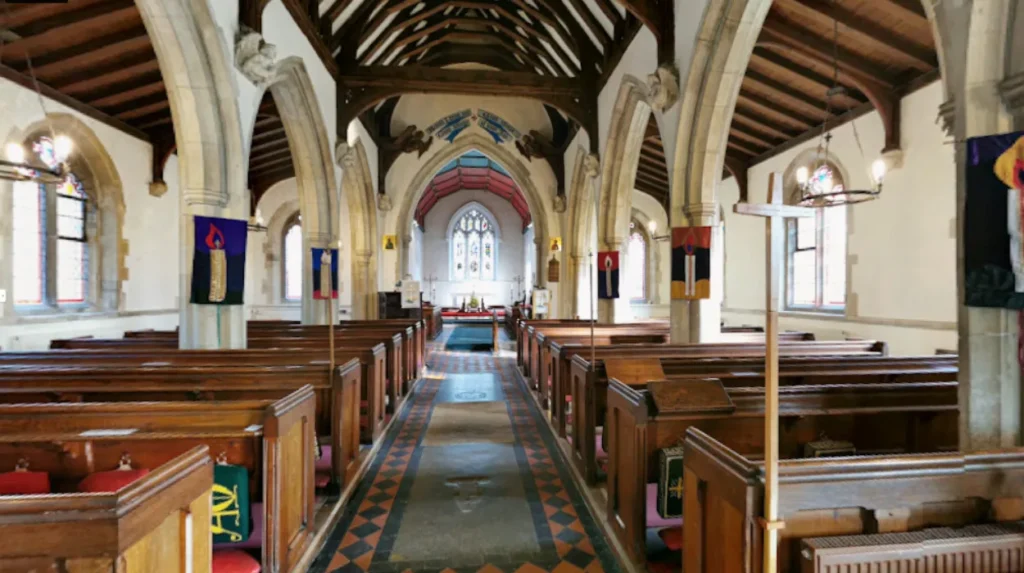
The Church of St Andrew and St Mary, historical village architecture, and literary heritage sites remain fully accessible during the cold months. Public viewing points along Mill Way and Broadway showcase century-old structures without summer foliage obstruction.
Grantchester possesses a rich architectural and cultural history documented since the 1086 Domesday Book entry under Grantesete. The Church of St Andrew and St Mary stands as the central historic building, with nave and chancel structures dating to the twelfth and fourteenth centuries. The church building remains open daily for visitors, offering sheltered historical exploration during cold winter days.
Exterior features include a fifteenth-century tower and a sixteenth-century porch surrounded by historic gravestones. Literary history is tied to the poet Rupert Brooke, who lodged at Orchard House and later lived at the Old Vicarage before World War I.
While the Old Vicarage is a private residence not open for indoor tours, its exterior facade remains visible from the public road. Leaf drop during late autumn clears sightlines across property borders, allowing clear views of historic timber-framed cottages.
Village heritage markers provide historical details on famous past residents, including Nobel Prize laureates and Cambridge academics. The absence of summer foliage allows photograph opportunities of medieval, Tudor, and Georgian building architecture. Walking self-guided historical circuits through the village square remains a primary off-season activity.
How Does River Cam Wildlife and Landscape Change in Autumn and Winter?
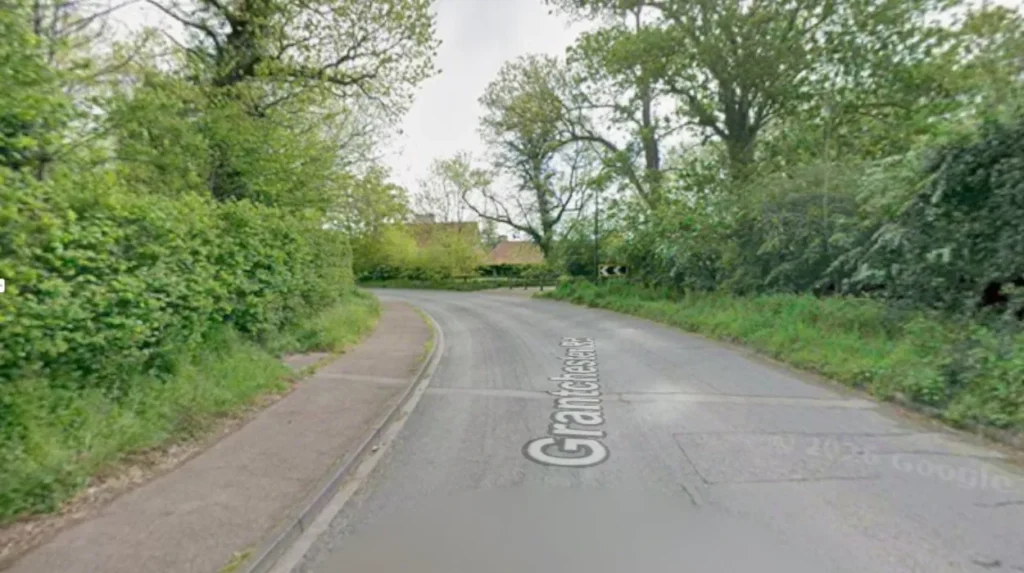
The River Cam ecosystem undergoes seasonal transformations characterized by flood basin rising, tree canopy foliage decay, and shifts in wildlife species populations. River hydrology alters water flow speeds while native flora enters winter dormancy.
The River Cam and Granta river system defines the geographic boundary and landscape dynamics of the Grantchester valley. In autumn, deciduous trees such as weeping willows, native oaks, and black poplars drop their leaves along the riverbanks. This annual leaf fall increases organic matter in the water and alters light penetration to the riverbed.
Winter precipitation increases water volume, leading to natural flooding across the adjacent low-lying meadow pastures. These seasonal floodwaters form shallow water bodies that act as feeding grounds for resident and migratory waterbirds. Common avian species visible during winter include grey herons, mute swans, kingfishers, mallards, and little egrets.
Aquatic vegetation, including water crowfoot, dies back beneath the water surface until the spring thermal rise. The surrounding fields, used for livestock grazing during dry summer months, are cleared of cattle to prevent soil compaction. Winter frost events create ice formations along slow-moving river edges and reed beds.
Clear winter light creates high-visibility conditions across the open river basin for nature observers. Environmental conservation organizations monitor river water levels and maintain embankment structures throughout the rain-heavy season.
Are the pubs in Grantchester open on winter bank holidays?
Yes, all four Grantchester public houses open on winter bank holidays, including Boxing Day and New Year’s Day. Operating schedules usually follow standard Sunday trading hours or modified bank holiday timetables. Advanced table reservations are recommended for indoor dining during holiday periods due to high local demand.
Can you sit outside at The Orchard Tea Garden during winter?
Outdoor garden seating is generally unavailable during the winter operating season from November through February. Service transitions indoors to the heated Rupert Brooke Room to accommodate guests safely during cold weather. Outdoor deckchairs are restored to the orchard when weather permits in late spring.
Is parking available in Grantchester during the off-season?
Free and paid parking options remain open in Grantchester throughout autumn and winter. The village car park near the Orchard Tea Garden offers vehicle spaces, though ground conditions can be wet. Street parking along High Street and Broadway is available subject to local council parking regulations.
Do punts operate from Cambridge to Grantchester in winter?
Self-hire and guided punting companies operate on a reduced timetable during winter, primarily weather permitting. High water levels or strong currents along the River Cam can cause temporary service suspensions. Walking or cycling via the Grantchester Grind remains the most reliable winter transit method.
Are dogs allowed in Grantchester venues during winter months?
Dogs are permitted on public footpaths across Grantchester Meadows and within designated village venues. Historic pubs like The Blue Ball Inn and The Green Man welcome well-behaved dogs inside their bar areas. Owners must keep dogs on leads near grazing livestock and wipe muddy paws before entering indoor spaces.