
Grantchester is a historic English village located 2 miles south of Cambridge along the River Cam. The village was recorded in the Domesday Book of 1086 under the name Grantebrige and has maintained a direct connection to Cambridge University since the 13th century. Walter de Merton acquired land in Grantchester in 1264 to endow Merton College. King’s College acquired the manor of Grantchester in 1452 and remains the primary landowner of the 50 acres of Grantchester Meadows today. The journey between Cambridge and Grantchester established itself as a traditional excursion for scholars, writers, and poets during the 19th and 20th centuries.
- How do you navigate the walking route from Cambridge to Grantchester Meadows?
- How does punting on the River Cam work for a Grantchester day trip?
- What are the key historical sights and attractions to see in Grantchester?
- What historic public houses operate within Grantchester village?
- What is Byron’s Pool Local Nature Reserve?
- How do you plan the optimal itinerary and timing for a Grantchester day trip?
- Frequently Asked Questions
Notable historical figures associated with this route include 5 specific intellectuals: Lord Byron, Rupert Brooke, Virginia Woolf, Bertrand Russell, and Ludwig Wittgenstein. Rupert Brooke lodged at The Old Vicarage in 1911 and authored the poem titled The Old Vicarage, Grantchester in 1912. The region attracted the Neo-Pagan cultural circle and members of the Bloomsbury Group for outdoor recreation and philosophical debate. Cultural references include 3 major artistic works: Sylvia Plath’s poem Watercolor of Grantchester Meadows written in 1959, Pink Floyd’s 1969 composition Grantchester Meadows, and the ITV television drama series Grantchester adapted from James Runcie’s novels.
What geographical and conservation protections preserve Grantchester Meadows?
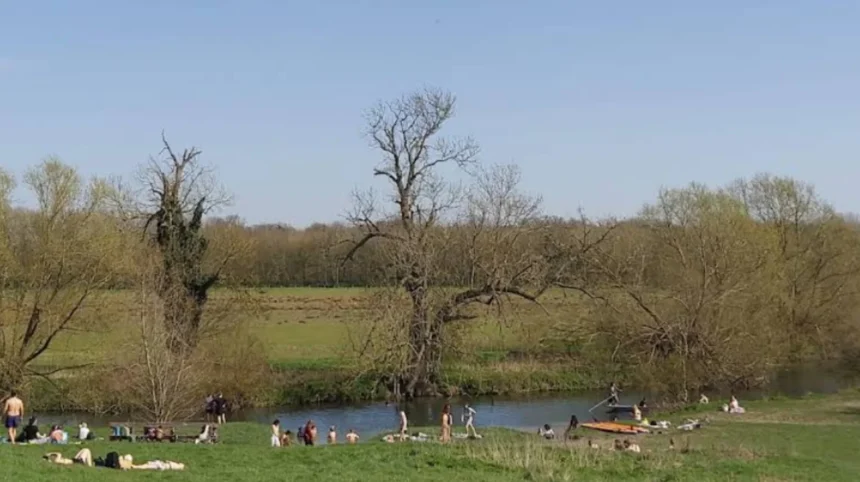
Grantchester Meadows covers 50 acres of floodplain pasture situated on the western bank of the River Cam. The land serves as a natural flood defense barrier for the city of Cambridge by storing excess water during high rainfall events. The charity Cambridge Past, Present & Future entered into legal covenants with King’s College during the 1930s to prevent commercial urban development across the meadows. These covenants successfully stopped a proposed municipal bypass road project during World War II. The meadows form a core part of the Cambridge Green Belt established under municipal planning framework acts. Red Poll cattle graze on the land between April and October to maintain biodiversity and pasture health.
How do you navigate the walking route from Cambridge to Grantchester Meadows?
The walking route from central Cambridge to Grantchester covers a total distance of 2.5 miles each way and takes approximately 45 to 60 minutes to complete. The walk begins at the Mill Pond adjacent to Silver Street Bridge and proceeds south through Coe Fen and Lammas Land park. Walkers cross the Fen Causeway road and enter the Paradise Local Nature Reserve along the eastern riverbank. After exiting the reserve onto Grantchester Meadows Street in the Newnham residential district, the route connects directly to the open grassland path at Skater’s Meadow. The path continues parallel to the River Cam into Grantchester village.
Walkers choose between 2 surface pathways across Grantchester Meadows: the metalled tarmac inland path and the unsurfaced riverside dirt path. The metalled tarmac path runs parallel to the river 100 meters inland, offering a flat surface suitable for wheelchairs, bicycles, and pushchairs in all weather conditions. The unsurfaced riverside path follows the natural bends of the River Cam but becomes muddy and prone to localized flooding during winter months. Key trail landmarks along the walk include 3 specific geographic markers: the Mill Pond sluice gates, Dead Man’s Corner river bend, and the Grantchester Cricket Ground.
What equipment and logistical preparations are required for the walk?
Walking this route requires sturdy footwear such as waterproof hiking boots or cushioned trainers due to uneven terrain along the riverside path. Outdoor walkers must carry independent water supplies and waste disposal bags because zero public trash bins exist on Grantchester Meadows. Public trash bins are restricted to 2 locations: the Newnham entrance gate and Grantchester High Street. Dog owners must maintain leash control near grazing cattle to comply with local nature reserve regulations. Mobile phone network coverage remains stable across the entire 2.5-mile trail route.
How does punting on the River Cam work for a Grantchester day trip?
Punting from Cambridge to Grantchester is a traditional water transit method covering 3 miles of the upper River Cam over a 1.5 to 2-hour duration each way. Unlike the city center College Backs route, the Grantchester punt route travels upstream through quiet, rural stretches of river. Punts are flat-bottomed boats propelled using a 16-foot aluminum or wooden pole pushed against the gravel riverbed. Navigation requires passing through 2 specific river sections: the Mill Pond rollers near Silver Street and the narrow bypass channels around Newnham Mill. Self-hire punts and private chauffeured punts represent the 2 primary rental formats available from licensed operators.
Self-hire punt rentals cost between £30 and £45 per hour per vessel, with total return trips requiring 3 to 4 total hours of hire time. Boat operators require renters to sign safety agreements and wear buoyancy aids when navigating deep sections. Punting upstream to Grantchester involves physical effort against a water current speed averaging 1.5 miles per hour. Punts land at the Orchard Tea Garden riverbank or the public mooring site near the Mill Way bridge in Grantchester. Alternative water transport options include 2 non-motorized vessel types: open kayaks and stand-up paddleboards rented at Scudamore’s Mill Lane station.
What navigational rules and river safety conditions apply?
River Cam navigation is governed by the Conservators of the River Cam under statutory rights established in 1702. All vessels must keep to the right side of the channel when passing oncoming craft. Swimmers and punters share the upper river, requiring punt operators to maintain visual lookout near deep pools. Open river swimming was restricted by King’s College at Grantchester Meadows in June 2021 due to emergency service access limitations and safety risks. Alcohol consumption while operating a self-hire punt is prohibited by river navigation bylaws.
| Transport Method | Distance (One Way) | Average Duration | Equipment Required | Difficulty Level |
| Metalled Tarmac Walk | 2.5 miles | 45-50 minutes | Walking shoes | Easy |
| Riverside Grass Walk | 2.5 miles | 50-60 minutes | Waterproof boots | Easy to Moderate |
| Self-Hire Punt | 3.0 miles | 90-120 minutes | Punt pole, buoyancy aid | Moderate to Hard |
| Kayak / Paddleboard | 3.0 miles | 60-75 minutes | Paddle, life jacket | Moderate |
What are the key historical sights and attractions to see in Grantchester?
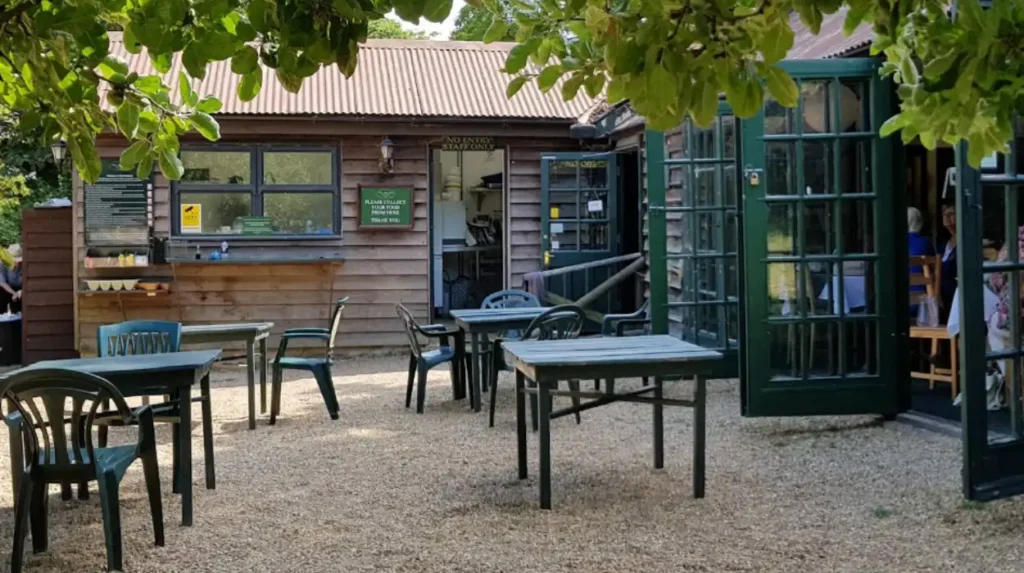
Grantchester contains 5 primary historical attractions within a compact 0.5-square-mile village layout. The Orchard Tea Garden, established in 1897, represents the central destination for visitors arriving via the meadows. Guests sit in traditional wooden deckchairs under historic apple trees where Rupert Brooke, Bertrand Russell, Stephen Hawking, and Alan Turing gathered. The site includes a museum room displaying historical photographs, manuscripts, and first-edition poetry books related to the Cambridge Apostles and the Neo-Pagans.
The Church of St Andrew and St Mary features architectural elements dating back to the 12th century. The structure includes a 14th-century nave, a 15th-century tower, and a chancel restored during the Victorian period. The Old Vicarage stands adjacent to the church on Mill Way. Built in 1683, this private residence hosted Rupert Brooke between 1911 and 1913 and is currently owned by author Lord Jeffrey Archer. The gardens contain a life-size bronze statue of Rupert Brooke sculpted by artist Paul Day and unveiled in 2006.
What historic public houses operate within Grantchester village?
Grantchester features 4 operating historic public houses serving food and local ales:
- The Red Lion on High Street provides 17th-century thatched architecture and open fireplaces.
- The Green Man on High Street offers a 500-year-old timber-framed structure with a large rear garden.
- The Rupert Brooke on High Street operates as a modern brasserie within a converted 19th-century pub building.
- The Blue Ball Inn on Coton Road dates from 1785 and retains traditional two-room pub interiors.
What is Byron’s Pool Local Nature Reserve?
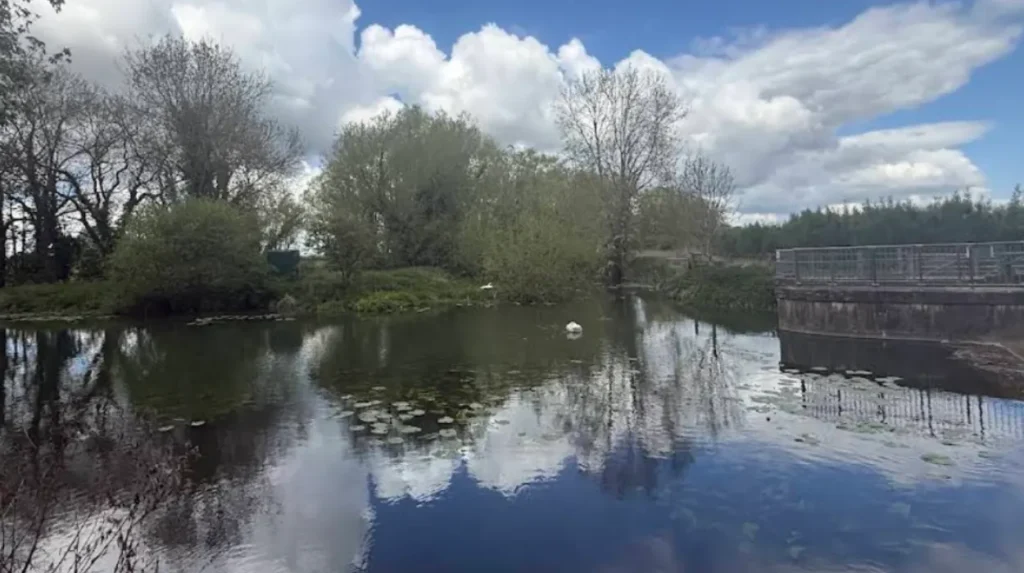
Byron’s Pool is a 18.5-acre Local Nature Reserve located 0.8 miles south of Grantchester village along the River Cam. The site is named after poet Lord Byron, who swam at the weir pool while attending Trinity College between 1805 and 1808. The reserve consists of wet woodland, marshland, and a historic weir structure that regulates river flow into the Grantchester mill stream. Wildlife species recorded at Byron’s Pool include 4 key animals: kingfishers, daubenton’s bats, grey herons, and Eurasian otters.
How do you plan the optimal itinerary and timing for a Grantchester day trip?
Planning an optimal day trip requires selecting appropriate seasonal timing, daily departure schedules, and local transportation options. May through September represents the peak season due to blooming apple orchards, active cattle grazing, and favorable river conditions. Autumn months from October through November offer foliage colors across the meadows, while winter visits require stick-path walking strategies due to mud on the riverside route. A standard day trip spans 4 to 6 total hours from Cambridge departure to return.
Morning departures between 09:30 AM and 10:30 AM allow visitors to complete the 2.5-mile walk before peak heat and secure outdoor seating at the Orchard Tea Garden by 11:30 AM. Visitors spend 1.5 hours having afternoon tea, followed by a 1-hour self-guided walking tour of High Street, St Andrew and St Mary Church, and The Old Vicarage exterior. Return trips occur via punting back downstream or walking along the alternative tarmac path through Newnham.
Frequently Asked Questions
How long does it take to walk from Cambridge to Grantchester?
The walk covers approximately 2.5 miles from Cambridge Mill Pond to Grantchester High Street. Walking at a normal pace takes 45 to 60 minutes each way. Taking the riverside grass path takes slightly longer than the flat tarmac path.
Can you swim in the River Cam at Grantchester Meadows?
Open river swimming at Grantchester Meadows was prohibited by King’s College in June 2021 due to safety concerns and emergency access risks. Warning signs are posted along the riverbanks. Visitors are advised to stay on land or remain inside boats.
Do you need to book the Orchard Tea Garden in advance?
Advance bookings are generally not required for small groups at the Orchard Tea Garden. Table service operates on a first-come, first-served basis across the large outdoor garden. Large tour groups should make reservations online prior to arrival.
Is the Grantchester walk suitable for wheelchairs and strollers?
Yes, the inland metalled tarmac path is flat and fully accessible for wheelchairs and strollers. The riverside grass path contains uneven ground and small footbridges that are difficult for wheels. Standard access begins from the Newnham entrance.
How much does punting from Cambridge to Grantchester cost?
Self-hire punt rentals range between £30 and £45 per hour per vessel. A round trip to Grantchester takes 3 to 4 hours, making the total rental cost around £90 to £150. Private chauffeured tours cost significantly more based on group size.