
Key Points
- Police are “increasingly concerned” for 25-year-old Lewis from Eye, near Peterborough, who has been missing for 13 days.
- Lewis, described as “considered vulnerable”, was not reported missing until Thursday 16 July 2026.
- Cambridgeshire Police have issued a public appeal for information and say they are “becoming increasingly worried for his welfare”.
- A police spokesperson said Lewis is “keen on camping in woodland areas” and officers want to hear from anyone who may have seen him in rural or wooded locations.
- Lewis is described as being 6ft 4in tall, with short dark hair and a beard.
- Officers are focusing enquiries on woodland and countryside sites where lone campers may stay, and are asking local residents, walkers and motorists to be alert.
- The force has released key details of his appearance and interests to help jog the public’s memory over the 13-day period since he was last seen.
- Police are urging anyone who sees Lewis or has information about his movements to contact Cambridgeshire Constabulary immediately on established non-emergency and emergency channels.
Cambridge (Cambridge Tribune) July 19, 2026 – Police in Cambridgeshire have launched an urgent appeal as concern grows for missing 25-year-old Lewis from Eye, who has not been seen for 13 days and is described as “considered vulnerable”, with officers warning they are “becoming increasingly worried for his welfare”.
- Key Points
- Why are Cambridgeshire Police increasingly concerned about missing 25-year-old Lewis from Eye?
- How have police described Lewis and his known interests to help the public identify him?
- What have Cambridgeshire Police said in their public appeal and what action are they requesting from the community?
- Where are officers likely to focus their search efforts for Lewis and why are woodland areas a priority?
- How does the delay in reporting Lewis missing impact the investigation and the search strategy?
- What guidance are police implicitly giving to local residents, travellers and outdoor enthusiasts in Cambridgeshire?
- How does the description of Lewis as a “vulnerable” missing person shape the tone and urgency of the appeal?
- How can members of the public assist the investigation into Lewis’s disappearance?
- Background to the missing person development
- Prediction: How could this development affect local residents and the wider Cambridgeshire community?
Why are Cambridgeshire Police increasingly concerned about missing 25-year-old Lewis from Eye?
Cambridgeshire Police say they are “increasingly concerned” because Lewis, aged 25 and from Eye near Peterborough, has now been missing for 13 days, a period regarded as significant in any missing person inquiry involving a vulnerable adult. The force has confirmed that although he was last seen almost two weeks ago, he was only formally reported missing on Thursday 16 July 2026, compressing the timeframe within which officers can reliably track his movements and potential sightings during the intervening days.
A spokesperson for Cambridgeshire Constabulary has stated that Lewis is “considered vulnerable”, a classification that prompts heightened attention, more intensive investigative work and a stronger emphasis on public appeals, due to potential risks to his welfare if he remains unlocated. Police have stressed that they are “becoming increasingly worried for his welfare”, signalling that factors such as his personal circumstances, behaviour pattern, and the length of time he has been missing have together raised the level of concern among officers responsible for the investigation.
How have police described Lewis and his known interests to help the public identify him?
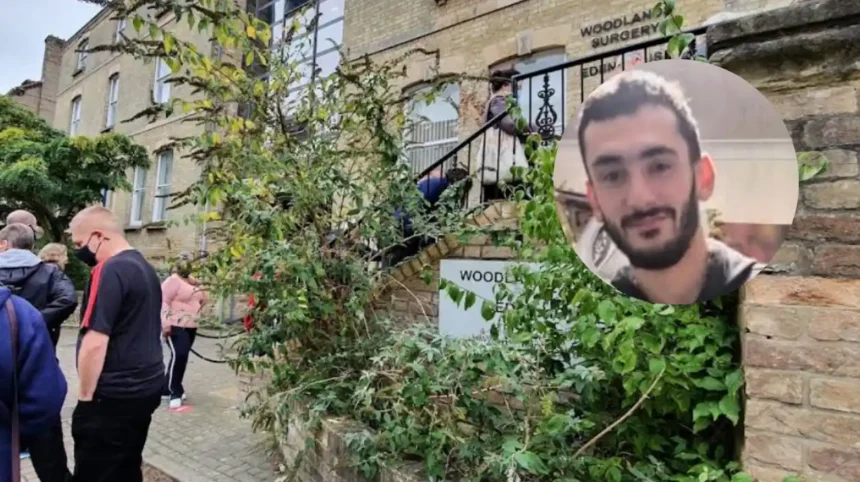
Officers have released a clear physical description of Lewis in the hope that members of the public will recognise him if they encounter him or recall seeing him in recent days. He is described as 6ft 4 inches tall, an above-average height that may stand out in crowds or in public places such as supermarkets, transport hubs or campsites, and he has short dark hair and a beard, features that can assist witnesses in distinguishing him from others of a similar age.
In addition to his appearance, Cambridgeshire Police have specifically highlighted an aspect of his lifestyle and interests that may be relevant to locating him: a spokesperson has said “He is keen on camping in woodland areas”, indicating that he may choose secluded or rural locations rather than urban environments, and that he could be staying, resting or moving through forested or countryside terrain rather than built-up town centres. The description is designed not only to aid visual identification but also to guide the public and specialist teams toward likely areas of search, such as woodlands, nature reserves, or informal camping spots around Eye and the wider Peterborough area.
What have Cambridgeshire Police said in their public appeal and what action are they requesting from the community?
In a statement issued as part of the missing persons appeal, a Cambridgeshire Police spokesperson said officers “would like to hear from anyone who believes they may have seen him”, directly inviting the community to provide information that could help reconstruct Lewis’s movements and determine where he might currently be. The appeal is framed to encourage individuals who may have dismissed a previous sighting as unimportant, for example seeing a lone camper or walker matching Lewis’s description, to understand that even small details may be valuable when combined with other pieces of information.
Police have emphasised that anyone with information, no matter how minor it may seem, should contact Cambridgeshire Constabulary as soon as possible via established non-emergency telephone lines or, in circumstances where an immediate risk is perceived, by calling emergency services. By releasing details about his height, hair, beard and interest in woodland camping, officers are signalling that they want the public to think carefully about whether they have seen a tall young man camping or travelling alone in rural or semi-rural areas over the past fortnight, particularly around Eye, Peterborough and other parts of Cambridgeshire.
Where are officers likely to focus their search efforts for Lewis and why are woodland areas a priority?
Given the information released by the force, woodland areas and other rural camping locations are likely to be a priority in the search for Lewis, because police have explicitly stated that he is “keen on camping in woodland areas” and may therefore be drawn to secluded outdoor spaces rather than urban streets or commercial premises. Such locations could include formal campsites, informal clearings used by campers, forest walks, and riverside or lakeside spots where tents, hammocks or temporary shelters are commonly set up, particularly in the summer months when overnight temperatures are more manageable.
Officers will typically conduct a combination of ground searches, checks of known camping sites, and inquiries with park rangers, landowners and local residents, to identify any possible trace of Lewis or his equipment. They may also review any relevant CCTV footage from the vicinity of woodland car parks, petrol stations or shops near popular rural sites, in order to establish whether someone matching his description has purchased supplies, arrived by vehicle, or passed through these areas within the period since he was last seen. The focus on woodland is a direct response to the specific lifestyle detail provided by the police spokesperson, which suggests a plausible pattern in his choice of locations.
How does the delay in reporting Lewis missing impact the investigation and the search strategy?
The detail that Lewis was last seen 13 days ago but was not reported missing until Thursday 16 July 2026 is significant because it has created a gap between his last confirmed sighting and the start of formal police inquiries, potentially complicating efforts to track his movements and collect timely witness accounts. When a missing persons report is made immediately or within a short period of disappearance, officers can act quickly to identify routes, contacts and digital data that may show where the individual went; however, a longer delay means memories fade, CCTV recordings may be overwritten, and physical traces such as campsite remains or discarded items may be more difficult to link directly to the missing person.
In response to this delay, Cambridgeshire Police’s public appeal aims to widen the net by calling on anyone who might have seen Lewis at any point over a two-week window, especially in woodland or rural settings, to come forward. The force’s decision to describe him as “considered vulnerable” and to state that they are “becoming increasingly worried for his welfare” indicates that they recognise the investigation must compensate for the lost time by actively engaging the public, encouraging those in the Peterborough and Cambridgeshire area to reflect on their recent observations and report even the smallest detail that could fill gaps in the timeline.
What guidance are police implicitly giving to local residents, travellers and outdoor enthusiasts in Cambridgeshire?
By specifying Lewis’s interest in camping in woodland areas and releasing details about his height and appearance, Cambridgeshire Police are implicitly asking residents, walkers, cyclists, motorists and outdoor enthusiasts to pay close attention when they are in rural spaces, particularly if they see a lone camper or individual matching his description. People using footpaths, bridleways, forest tracks and car parks near woods are being encouraged to note whether they encounter anyone who appears disorientated, distressed or isolated, and to consider whether such a person could be the missing 25-year-old from Eye.
The appeal also gently prompts those who might have interacted with a tall young man camping alone – for example, a landowner asking about permission to camp, a shop worker selling camping supplies, or a member of the public sharing a path or informal camping area – to think back over the past 13 days and to report any relevant encounter. Without using alarmist language, the force’s emphasis on vulnerability and concern for Lewis’s welfare carries the clear message that people should not hesitate to contact police if they believe they have seen him or have information about his possible location.
How does the description of Lewis as a “vulnerable” missing person shape the tone and urgency of the appeal?
Cambridgeshire Police’s decision to state that Lewis is “considered vulnerable” immediately raises the seriousness of the situation, even though the force has not publicly linked this vulnerability to a specific medical condition, mental health issue or other factor. In missing person investigations, the term “vulnerable” is typically used when there is reason to believe the individual may struggle to keep themselves safe, manage basic needs, or respond appropriately to risk, meaning that the longer they remain missing, the greater the potential danger to their wellbeing.
By combining the “vulnerable” description with the statement that officers are “becoming increasingly worried for his welfare”, the force is signalling that this is not a routine disappearance where there is a strong likelihood the person has chosen to be away and will return independently. Instead, the language suggests that police feel an active responsibility to locate Lewis as soon as possible, and that community assistance is essential to achieving this, especially because his known interest in camping in woodland areas may mean he is in less populated locations where any difficulty or injury could go unnoticed.
How can members of the public assist the investigation into Lewis’s disappearance?
Members of the public can assist by carefully considering whether they have seen anyone matching Lewis’s description – a 25-year-old man, 6ft 4 inches tall, with short dark hair and a beard – in or around Cambridgeshire in the last 13 days, particularly in woodland, rural or camping environments. If they recall such a sighting, even if it seemed unremarkable at the time, they are encouraged to contact Cambridgeshire Police and share details such as the exact location, date, time, and any conversation or behaviour they noticed, so that officers can assess whether the information fits into the emerging timeline of the missing person’s movements.
Those living near woods, nature reserves, riverside walks or lakeshores can also check whether they have noticed tents, bivouacs, temporary shelters or parked vehicles in unusual places, and again report any instance where the occupant or visitor resembled Lewis. The police spokesperson’s request – “officers would like to hear from anyone who believes they may have seen him” – is deliberately broad to reassure potential witnesses that they do not need to be certain before coming forward; even partial or uncertain information can be valuable when cross-referenced with other reports and investigative data.
Background to the missing person development
Cambridgeshire Police’s appeal regarding Lewis forms part of an established practice in UK policing in which missing person investigations, particularly those involving individuals described as “vulnerable”, trigger public communication campaigns designed to reach as many potential witnesses as possible in a short time. Forces routinely use physical descriptions, details of habits such as camping, walking or travelling, and clear statements of concern to encourage people to reconsider their recent experiences and share any relevant information, recognising that early community engagement can significantly improve the chances of a safe recovery.
The reference to Eye, a village within the Peterborough area of Cambridgeshire, situates this case within a mixed urban-rural environment where missing persons may move between populated streets and quieter countryside or farmland. In such settings, the combination of rural woodland and nearby city facilities creates a wide search area, and police often rely heavily on residents, commuters and visitors to notice unusual activity or individuals who appear out of place, lost or alone, especially when the missing person is known to be drawn to camping or outdoor living.
Prediction: How could this development affect local residents and the wider Cambridgeshire community?
The ongoing search for Lewis is likely to heighten awareness among local residents of the importance of responding quickly when someone goes missing, particularly when they are described as vulnerable, leading to greater willingness to make early reports and to cooperate with police appeals in future cases. As people in Eye, Peterborough and surrounding areas see or hear the appeal and understand that the missing person has an interest in solitary woodland camping, they may become more alert to activity in rural spaces, checking more carefully when they encounter lone campers or walkers, and thereby contributing to a culture of attentiveness that can assist in future safeguarding efforts.
If Lewis is found safe, the case may reinforce confidence in the effectiveness of public appeals and encourage individuals to take seriously police requests for information whenever they are issued, including sharing details even when they seem minor. Conversely, if the investigation highlights challenges arising from delays in reporting, it may prompt informal community discussion and possibly formal guidance about the value of contacting police promptly when a friend, relative or neighbour cannot be located and is known to have traits or habits that could place them at risk, reinforcing shared responsibility for the wellbeing of vulnerable adults in Cambridgeshire.