
Key Points
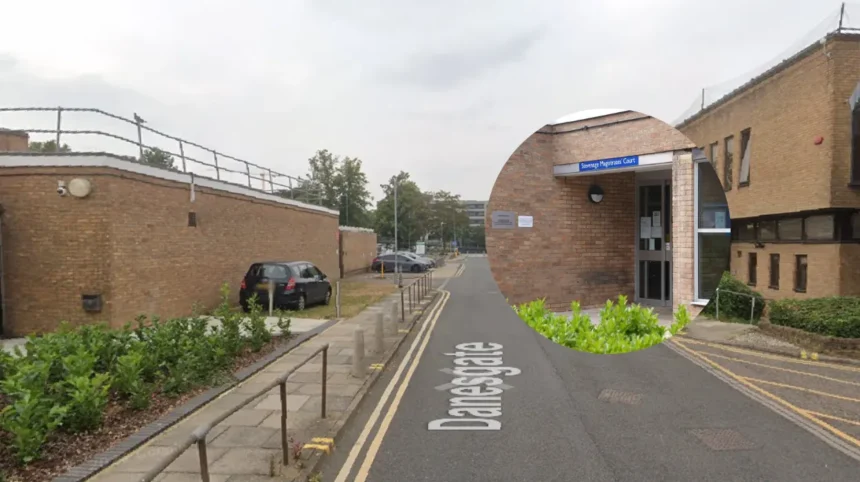
- Adam Bassingdale, 38, a former member of Cambridgeshire Police force, received a one-year disqualification from driving at Stevenage Magistrates’ Court on Friday, 7 August 2026.
- Bassingdale was apprehended at Cambridgeshire Police headquarters on 23 December 2025 following a positive breathalyzer test result despite not being on duty.
- He had faced charges for drink driving following the December case and attended court proceedings after failing to show up in Luton Magistrates’ Court in January 2026.
- Former policeman, who served in different areas of Cambridgeshire including Fenland, has been dismissed from Cambridgeshire Police service after this offense.
- This case comes in addition to a number of drink-driving offenses by policemen in the area, Cambridgeshire Police having made 812 arrests due to drink and drug driving in 2024.
Cambridge Police (Cambridge Tribune) August 10, 2026 – A former police officer who served across Cambridgeshire has been banned from driving for 12 months after being caught driving under the influence of alcohol. Adam Bassingdale, 38, appeared at Stevenage Magistrates’ Court on Friday, 7 August 2026, where he was sentenced following his arrest at Cambridgeshire Police headquarters on 23 December 2025.
What happened in the Adam Bassingdale drink-driving case?
As reported by local media outlets covering the Fenland area, Bassingdale was arrested at force headquarters after failing a breathalyser test on 23 December 2025. He was subsequently charged with drink driving and was initially scheduled to appear at Luton Magistrates’ Court on 15 January 2026, according to a statement from Cambridgeshire Police.
A force spokesperson said at the time: “PC Adam Bassingdale will appear at Luton Magistrates’ Court tomorrow (15 January) charged with drink driving following an incident on 23 December 2025.” The officer remained on restricted duties pending the outcome of the court proceedings.
Bassingdale, who worked across Cambridgeshire including in the Fenland district, was disqualified from driving for 12 months at Stevenage Magistrates’ Court on Friday. Court records show the criminal case 40CT1689625 was heard at Stevenage Magistrates’ Court, Courtroom 02, with the hearing scheduled for 7 August 2026.
How does this case compare to other police officer drink-driving incidents?
The Bassingdale case is one of several involving police officers in the region in recent months. As reported by the Fenland Citizen, a former police officer was dismissed after being found guilty of drink driving, with the officer sentenced at Stevenage Magistrates’ Court.
In a separate incident, PC Joseph Passby, 35, appeared at Luton Magistrates Court on 20 July 2026 after pleading guilty to drink driving offences. Passby was on duty on 15 June when the police vehicle he was driving collided with a car on Trumpington Street, Cambridge, with a breath test reading of 81 microgrammes of alcohol per 100 millilitres of breath. He was disqualified from driving for a year and ordered to pay a £400 fine, and remains suspended from duty pending misconduct proceedings.
Another case involved a student police officer in Nottinghamshire, PC Tyler Beard, who faced a gross misconduct hearing on 23 July 2026 after being caught drink driving. The hearing determined he would have been dismissed had he not already resigned.
In Sussex, Connor Farrell, 23, a learner Detective Constable based in West Sussex, was disqualified from driving for 18 months and dismissed from the force after pleading guilty to driving while over the prescribed limit when off-duty. He appeared at Brighton Magistrates’ Court on 16 July 2026 and was ordered to pay a fine of £120, £85 for costs and a £48 victim surcharge.
What are the legal penalties for drink driving in the UK?
Under current UK law, the legal alcohol limit for drivers in England, Wales and Northern Ireland is 35 micrograms per 100 millilitres of breath, 80 milligrammes per 100 millilitres of blood, and 107 milligrammes per 100 millilitres of urine. In Scotland, the limits are lower at 22 micrograms per 100 millilitres of breath, 50 milligrammes per 100 millilitres of blood, and 67 milligrammes per 100 millilitres of urine.
According to GOV.UK, individuals convicted of drink driving can face imprisonment, a driving ban, and a fine. The court decides the length of disqualification based on the seriousness of the offence. For a first offence, the ban can last up to 12 months, while a second disqualification within 3 years can result in a longer ban.
If disqualified for 56 days or more, individuals must apply for a new licence before driving again, and may be required to retake their driving test. The government has also proposed new road safety measures, including potentially lowering the drink-drive limit and requiring some convicted drink-drivers to have alcolocks fitted to their vehicles.
Background of the development
The Bassingdale case follows a pattern of drink-driving incidents involving police officers across the UK in 2025 and 2026. In December 2025, Cambridgeshire Police recorded 812 drink and drug driving-related arrests across the county in 2024, according to BBC News. The force has been conducting crackdowns on drink drivers, which officers described as “encouraging”.
In a separate incident in Cambridgeshire, a police officer was caught driving to work after drinking three bottles of wine, according to reports from May 2026. The officer faced a misconduct panel over allegations of driving to work under the influence, with the hearing determining the officer had broken rules around unacceptable behaviour and fitness for duty.
The government unveiled its first comprehensive Road Safety Strategy in more than ten years in January 2026, setting out plans to reduce deaths and serious injuries on Britain’s roads by 65% by 2035. The strategy includes proposals to lower the drink-drive limit and introduce new powers to suspend driving licences for people suspected of drink or drug-related driving offences.
Prediction: How this development can affect public trust in policing
The Bassingdale case, along with other recent incidents involving police officers and drink driving, is likely to have implications for public trust in law enforcement. When officers who are expected to uphold the law are found to have committed offences such as drink driving, it can undermine confidence in the force’s ability to maintain standards among its own members.
For the Cambridgeshire community, particularly in areas like Fenland where Bassingdale worked, the news may raise questions about the vetting and monitoring of officers. The fact that multiple officers have been involved in drink-driving incidents in recent months could lead to increased scrutiny of police conduct and potentially affect how residents view the force’s commitment to road safety.
For policing more broadly, these incidents may prompt calls for stricter internal discipline and more robust measures to prevent officers from driving under the influence. The government’s new Road Safety Strategy, which includes proposals for lower drink-drive limits and alcolocks for convicted offenders, may also be applied more rigorously within police forces to ensure officers are held to the highest standards.
The impact on public trust will likely depend on how transparently police forces handle such cases and whether they demonstrate a commitment to accountability. If forces are seen to be taking decisive action, including dismissal and barring from future service, it may help to mitigate some of the damage to public confidence. However, repeated incidents could lead to longer-term erosion of trust, particularly in communities where police presence is already under scrutiny.