
While the company says the move reflects changing consumer habits and the growing popularity of digital downloads, it also raises important questions about game ownership, consumer choice and what a disc-free future could mean for players, retailers and the wider gaming industry.
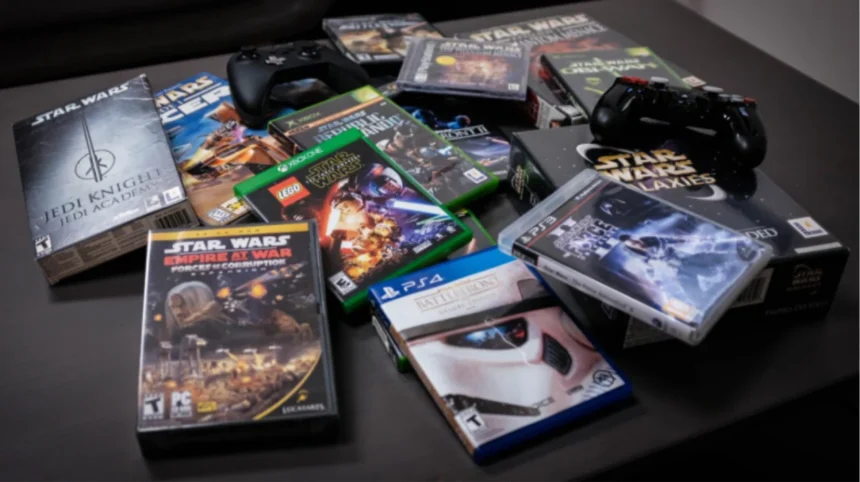
I’ve been a PlayStation gamer since 2016, and physical games have always been part of that experience. There is something special about owning a boxed copy of a game, whether it’s being able to lend it to friends, trade it in, or simply look back at a collection built over the years. Moving towards an all-digital future may offer convenience for many, but it also changes the relationship between players and the games they buy.
Sony argues that the decision reflects how most people now purchase games. Digital sales have steadily overtaken physical copies over the last decade, offering instant downloads, automatic updates and eliminating the need to manufacture and distribute discs. From a business perspective, it makes sense. Digital storefronts are cheaper to maintain than physical supply chains, and publishers have greater control over pricing and distribution. As WIRED pointed out following the announcement, digital distribution also makes it easier for developers particularly smaller studios to release games worldwide without the added costs of manufacturing and shipping physical copies.
However, the move is about more than convenience. When you buy a physical game, you own something tangible. You can lend it to a friend, sell it when you’ve finished, or keep it as part of a collection. Digital purchases are different. In most cases, players are purchasing a licence to access a game rather than owning a permanent copy, meaning access can ultimately depend on licensing agreements, platform policies and the continued availability of online services.
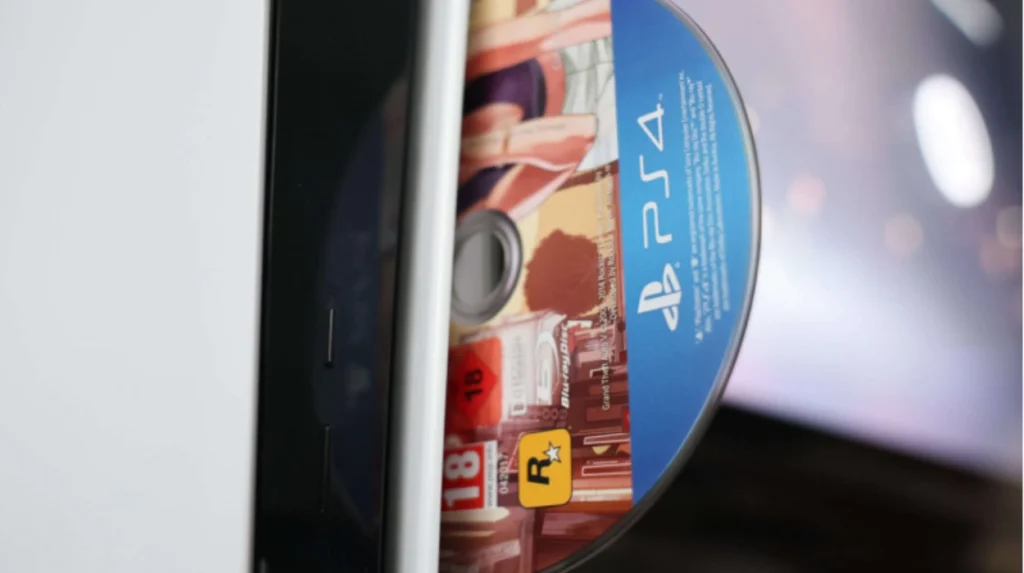
These concerns have only grown stronger following Sony’s recent announcement that hundreds of films and TV shows purchased through the PlayStation Store will be removed from users’ digital libraries after Sony’s licensing agreement with Studio Canal expired. While games are different from films, the situation highlights a wider issue with digital ownership: buying something digitally doesn’t always guarantee you’ll have access to it forever. WIRED highlighted this as one of the biggest concerns surrounding Sony’s decision, while BBC News reported criticism from gamers and industry experts who argued that the move could weaken consumer rights and make game preservation more difficult.
There are also practical implications. Physical games create competition between retailers, often resulting in discounts shortly after launch. Players can shop around for the best deal, buy pre-owned copies or trade in old games to offset the cost of new releases. An all-digital future removes much of that flexibility and gives platform holders greater control over pricing through their own digital storefronts. As reported by BBC News, retailers and independent game stores have warned that the transition could have a significant impact on both the second-hand games market and traditional high street game sales.
At the end of the day, this isn’t really a debate about whether digital gaming is good or bad. Digital downloads offer convenience and have become the preferred way for many people to buy games. The real issue is the loss of choice. Until now, PlayStation owners could decide whether they wanted the convenience of digital downloads or the permanence of a physical copy. From 2028 onwards, that decision disappears.
As someone who’s grown up building a PlayStation collection, that’s what I’ll miss most. Physical games are more than just a way to play they’re memories, collectibles and something you can truly call your own. While a digital future may be inevitable, I hope the industry doesn’t forget the value that physical media still holds for generations of gamers.