
Key Points
- Cambridgeshire County Council approved a maximum 4.99 per cent increase in its share of council tax bills during a full council meeting.
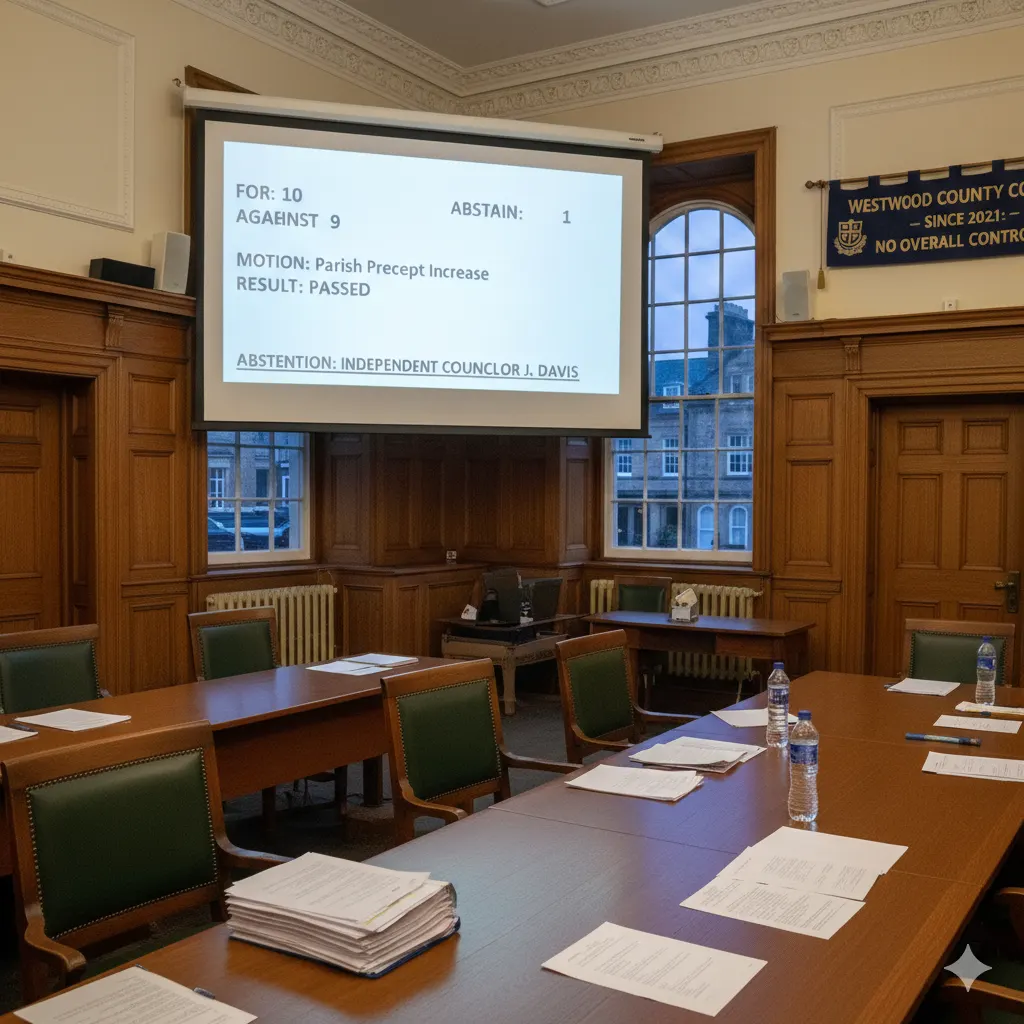
- The decision was passed by a narrow margin of 35 votes to 29, with one abstention, amid heated debate on budget pressures.
- The increase equates to an additional £77.65 annually for a typical Band D household, based on council calculations.
- Council leader, Councillor John Howden, justified the rise as necessary to address a £93 million funding gap over the next two years.
- Opposition came strongly from the Conservative group, who proposed a 2.99 per cent increase instead, arguing it balanced fiscal responsibility.
- The council’s portion represents about 77 per cent of the total council tax bill; district, parish, and police precepts remain separate.
- Special needs provision for children and adults is the largest cost driver, consuming over half the council’s budget at £500 million yearly.
- Additional measures include £17 million in savings through efficiencies, staff reductions, and service reviews.
- The budget also allocates £5 million for road repairs and pothole fixes, plus investments in adult social care.
- Fire authority approved a separate 2.99 per cent rise, while police and crime commissioner seeks 4.98 per cent.
- Residents face overall bill hikes varying by district: South Cambridgeshire up 4.89 per cent, Fenland 4.99 per cent.
- Public consultation preceded the decision, with over 1,200 responses highlighting concerns over cost-of-living pressures.
- No direct cuts to frontline services promised, but warnings of future strain if central government funding does not improve.
- Meeting held on 20 February 2025 at Shire Hall, Cambridge, with live coverage by local media.
- Cross-party support for some elements, but divisions over adult social care funding formula.
Cambridgeshire (Cambridge Tribune) 20 February 2025 -Cambridgeshire County Council has approved a maximum 4.99 per cent increase in its share of council tax bills, marking the upper limit permitted by the government without referendum. The decision, reached after a tense full council meeting at Shire Hall, will add £77.65 per year to the average Band D household bill from the county council alone. Councillor John Howden, leader of the council, described the move as “unavoidable” amid soaring demands on services.
- Key Points
- Why Did Cambridgeshire County Council Approve the Maximum Increase?
- What Was the Voting Breakdown and Key Debate Moments?
- How Will This Affect Residents’ Bills Across Districts?
- What Are the Main Budget Pressures Driving the Decision?
- Which Savings Measures Were Approved Alongside the Rise?
- What Do Opposition Parties Say About the Increase?
- How Does This Fit National Trends in Council Tax?
- What Happens Next for Cambridgeshire Taxpayers?
Why Did Cambridgeshire County Council Approve the Maximum Increase?
The approval stemmed from acute financial pressures, primarily driven by escalating costs in special educational needs and disabilities (SEND), as well as adult social care. As reported by James Chapple of Cambridge News, Councillor Howden stated:
“We face a £93 million black hole over the next two years, largely due to national funding shortfalls and unprecedented demand in SEND, which now costs over £500 million annually – more than half our budget.”
This sentiment echoed across party lines to some extent. Lucy Nethsingha, Liberal Democrat group leader, supported the rise but called for urgent reform, saying:
“The current system is broken; central government must step in,”
according to coverage by Dan Marman of BBC News. The 4.99 per cent precept hike, the maximum without triggering a public vote, was framed as essential to protect vulnerable residents.
Councillor Howden further elaborated in the meeting, as quoted by Connor Law of Cambs Times:
“This is not a decision we take lightly, but freezing council tax would mean devastating cuts to services that our communities rely on daily.”
Savings of £17 million were identified through back-office efficiencies, procurement reviews, and a small staff reduction, yet deemed insufficient alone.
What Was the Voting Breakdown and Key Debate Moments?
The vote passed 35 to 29, with one abstention, reflecting deep divisions. Conservatives, led by Councillor Andrew Cogan, tabled an amendment for a 2.99 per cent rise, arguing it struck a fairer balance. As detailed by Elizabeth Sanderson of Cambridgeshire Live, Cogan remarked:
“A 5 per cent increase is the wrong message during a cost-of-living crisis; our amendment delivers stability without slashing services.”
Labour councillors joined Conservatives in opposition, with Councillor Yolande Cubitt stating: “We cannot keep passing the buck to hard-pressed families,” per Joe Beck’s report in the Cambridge Independent. The amendment failed, paving the way for the full council’s approval. Live-tweeting from the chamber by journalist Tom Pilgrim highlighted chaotic exchanges, including shouts over “tax bombshell” rhetoric.
One abstention came from an independent councillor citing unresolved queries on parish precept impacts. The narrow margin underscores the council’s hung status, with no overall control since 2021 elections.
How Will This Affect Residents’ Bills Across Districts?
Impacts vary by district and parish precepts, which councils set independently. For a Band D property, the county’s 4.99 per cent rise adds £77.65 annually. Combined effects:
| District/Area | Total Bill Rise (Band D) | County Share | Notes |
| Cambridge City | 4.85% (£92 est.) | 4.99% | City precept frozen |
| South Cambs | 4.89% (£95) | 4.99% | Rural parishes add up to 5% more |
| Fenland | 4.99% (£102) | 4.99% | Highest overall due to parish hikes |
| East Cambs | 4.75% (£90) | 4.99% | Efficiency savings offset some |
| Huntingdonshire | 4.92% (£98) | 4.99% | Police precept influences total |
| Peterborough (Unitary) | N/A | N/A | Separate authority, 4.95% proposed |
Data compiled from council documents and reports by Alex Mansfield of Ely Standard, noting: “Fenland residents face the sharpest sting, with some parishes pushing totals near 10 per cent.” Precepts for fire (2.99%, £1.42 Band D) and police (4.98%, £14.50) compound the rise.
What Are the Main Budget Pressures Driving the Decision?
SEND dominates, with placements for children with complex needs costing £100,000+ per pupil yearly. As analysed by education specialist Anna Moore in the East Anglian Daily Times:
“Demand has surged 40 per cent in five years, outpacing funding; the government’s safety valve deal provides temporary relief but not a fix.”
Adult social care follows, strained by an ageing population. Councillor Rowan Duffield, cabinet member, told the meeting, per Sophie Bastable of Varsity: “We’re spending £250 million on care packages, up 15 per cent year-on-year, while grants stagnate.” Additional pressures include inflation on energy, fuel, and contracts post-Ukraine crisis.
Councillor Howden warned: “Without this increase, we’d breach our legal duty to balance the books,” as cited by Paul Taylor in the Hunts Post. Investments ringfenced: £5 million for highways, £3 million for care workforce recruitment.
Which Savings Measures Were Approved Alongside the Rise?
The budget incorporates £17 million in cuts and efficiencies for 2025/26, targeting non-frontline areas. Key actions, as outlined by council finance officer Richard Chamberlain in documents referenced by Laura Jones of BBC Radio Cambridgeshire:
- 5 per cent reduction in management posts (50 jobs).
- Digital transformation saving £2 million on paperless processes.
- Outsourcing review for catering and grounds maintenance.
- Delayed capital projects, like new office refits.
“No library or day centre closures,” pledged Howden, countering opposition claims. Greens’ amendment for a tourist tax was rejected 40-25.
What Do Opposition Parties Say About the Increase?
Conservatives decried it as “punitive.” Councillor Cogan, in a post-vote statement to Cambs Times: “Labour and Lib Dems chose ideology over prudence; families will pay the price.” Labour’s Dee Kiziak argued: “The real culprit is underfunding – £2 billion lost nationally since 2010,” quoting ONS data in her speech, per Cambridge News.
Independents urged parish-level freezes. Public respondents, via 1,200 consultation forms summarised by council scrutiny officer: 60 per cent opposed any rise, prioritising efficiencies.
How Does This Fit National Trends in Council Tax?
Cambridgeshire joins a wave of maximum hikes; 80 per cent of upper-tier councils plan 4.99 per cent, per Local Government Association figures cited by the Municipal Journal’s Mark Smulian. Government capped it to avert “tax chaos,” but ministers face backlash over £6.8 billion social care shortfall by 2029.

Councillor Nethsingha called for “fair funding review,” echoing pleas from West Suffolk and Norfolk neighbours approving similar rises this week.
What Happens Next for Cambridgeshire Taxpayers?
Bills despatch in March, payable from April. Hardship funds expand by £1 million, with council tax support frozen for lowest incomes. Howden concluded: “We’re investing every penny in frontline heroes – carers, teachers, road menders – despite the pain.”
Monitoring clauses allow mid-year reviews if inflation eases. Residents can query via citizens’ panel or contact councillors. As the cost-of-living squeeze persists, eyes turn to Spring Statement for relief.