
Key Points
- The Museum of Cambridge has opened an exhibition titled “Portraits of Cambridge: A Town in Transition” that runs from 13 June to 5 October 2026.
- The exhibition displays paintings, watercolours and sketches that document Cambridge’s changing streets, architecture and social life, with work by local artists and historical views.
- The show highlights familiar and forgotten views, exploring rapid late-19th-century growth and the town’s evolving identity.
- The Museum promoted the opening across social channels and local cultural listings, and local groups such as the Cambridge Drawing Society and community curators have publicised or participated in the project.
- Public opening events were scheduled around mid-June 2026, with the Museum describing the exhibition as an invitation to “explore a Cambridge as a town grappling with change.”
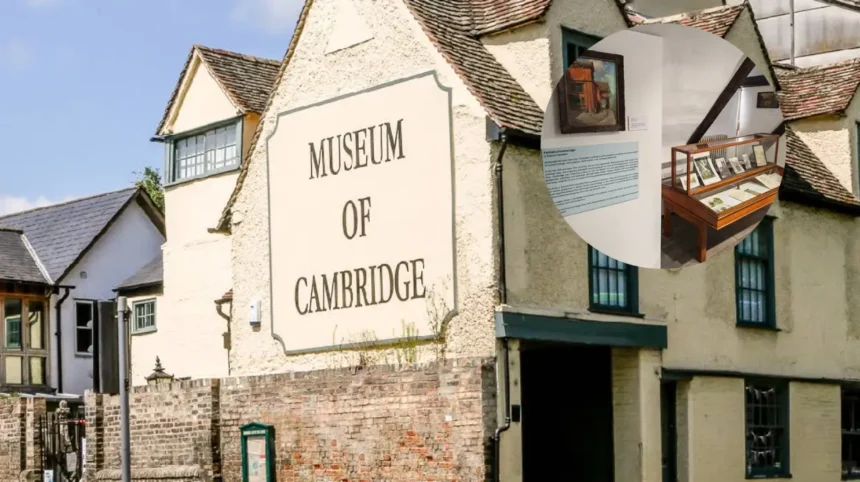
Cambridge (Cambridge Tribune) July 04, 2026 — The Museum of Cambridge has opened “Portraits of Cambridge: A Town in Transition”, a temporary exhibition running from 13 June to 5 October 2026 that gathers paintings, watercolours and sketches showing the city’s shifting streets and built environment as it confronted rapid change in the late nineteenth century and beyond.
- Key Points
- Why has the Museum launched the exhibition?
- What does the exhibition show?
- How has it been received locally?
- What are the dates and programme details?
- Which artists and works are included?
- What has the Museum said?
- How are local groups involved?
- What is the visiting information?
- Background of the development
- Prediction for readers
Why has the Museum launched the exhibition?
As reported by the Museum of Cambridge, the exhibition brings together local artists’ images, including oils, watercolour and sketches, to present both well-known and forgotten views of Cambridge and to place those images in the context of social and urban transformation. The project aims to show how the town’s appearance and social fabric altered as commercial streets, housing and civic buildings changed over decades.
What does the exhibition show?
As outlined by the Museum of Cambridge, the display includes a mixture of media, including oil paintings, watercolours and drawn sketches, that show Cambridge at moments of change. The curatorial notes emphasise that the selection deliberately features both familiar landmarks and vanished or altered locations to underline the exhibition’s theme of transition. Local organisations and societies, including the Cambridge Drawing Society, have helped publicise and contextualise the material in their own listings and posts.
How has it been received locally?
Museum social media and community event listings promoted the opening in the weeks before 13 June, announcing weekend opening events and inviting visitors to explore the new display. Local cultural calendars and listings picked up the story, noting the dates and the exhibition’s focus on transformation across the town.
What are the dates and programme details?
The Museum’s event listing and local listings confirm the exhibition dates as 13 June to 5 October 2026 and indicate related events around the opening weekend, consistent across the Museum’s website and community notices. The Museum framed the exhibition as an opportunity for residents and visitors to reflect on the town’s changing identity through historic and artistic records.
Which artists and works are included?
The Museum’s publicity describes work by local artists that records a range of Cambridge scenes; while specific artist-by-artist lists are not exhaustively published in the general listing, the exhibition’s emphasis is on locally produced views in multiple media that together trace visual change. Related write-ups by local arts groups highlight the exhibition’s selection of images that reveal both the continuity and disappearance of particular streets and shopfronts.
What has the Museum said?
The Museum of Cambridge describes the show as inviting the public to “explore a Cambridge as a town grappling with change”, language that the Museum used in promotional material and the event listing. That framing places artistic representation alongside civic and social history to encourage viewers to consider how urban growth and development remade the townscape.
How are local groups involved?
Local societies and community curators advertised and commented on the exhibition in their own channels, noting the significance of local artists’ records for understanding the city’s history. The exhibition therefore functions as both an art show and a local historical survey supported by community interest.
What is the visiting information?
The Museum’s event page provides dates and practical visiting information, with the exhibition being a temporary display housed at the Museum of Cambridge during the stated run. Prospective visitors were encouraged to check the Museum’s website and social media for opening times and any related events.
Background of the development
The Museum of Cambridge has a history of staging displays that explore local social history and visual culture, and “Portraits of Cambridge: A Town in Transition” follows that tradition by combining artistic works with historical interpretation to document urban change. The late nineteenth century is a particularly fertile period for such work because the city underwent rapid commercial and demographic shifts that altered streetscapes and everyday life, leaving a visual record that artists and local chroniclers captured. Community groups and local drawing societies have long contributed to the preservation and interpretation of these images, making them available for exhibition and public reflection.
Prediction for readers
The exhibition is likely to encourage local residents to re-examine familiar streets and landmarks through historical imagery, reinforcing civic identity and prompting conversation about conservation and change in the city centre. For cultural visitors and tourists, the display may deepen appreciation of Cambridge beyond university landmarks by foregrounding everyday streets and business life captured in local art. The show could also stimulate further community-led research or volunteer-driven projects to identify and preserve lesser-known historical sites revealed in the artworks.