
Key Points
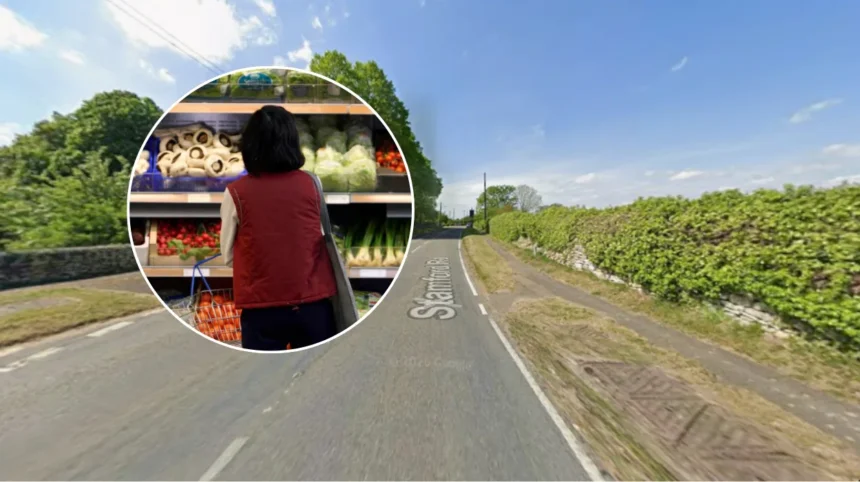
- Barnack is set to get its first farm shop after planning permission was granted for the Cambridgeshire village site.
- The plans feature a farm shop, café, butcher’s counter, and a preparation kitchen for an outside catering firm.
- The development covers up to 429 square metres across two main buildings.
- Site plans include parking spaces for nine cars and two commercial vans.
- Highways officers backed the proposal on the condition that the applicant meets two road safety access requirements.
- Cambridgeshire Police rated the location as a medium crime risk and requested CCTV, outdoor lighting, and an intruder alarm.
Barnack (Cambridge Tribune) September 19, 2026 – As reported by local news outlets covering regional planning decisions in Cambridgeshire, official approval has been granted for a multi-use commercial proposal in Barnack, establishing the historic settlement’s first dedicated farm shop. Barnack is a picturesque village situated along the border of Cambridgeshire and Lincolnshire. Prior to this decision, local residents seeking similar retail facilities were required to travel to nearby settlements, with the closest existing farm shop located in Helpston Heath.
The newly approved commercial project encompasses a total floor space of up to 429 square metres spread across two separate buildings. Under the scheme, the site will feature a retail farm shop floor, an on-site café, a specialized butchery area, and a commercial kitchen facility designed to serve as an operational base for an outside catering enterprise.
How will vehicular access and parking facilities be managed at the new site?
To support visitor traffic and commercial operations, the development plans set out specific provisions for vehicles. The approved layout features a dedicated parking area consisting of nine spaces for standard vehicles, alongside two larger parking bays designated specifically for vans associated with supply deliveries and catering logistics.
During the statutory planning consultation process, local highways authorities reviewed the application to evaluate its potential impact on local road networks. The highways department confirmed that it had no objections to the development moving forward, provided two mandatory conditions were met by the developer.
These conditions require specific physical improvements to the access point of the site in the interest of overall highway safety and the provision of adequate space to allow vehicles to enter and exit the premises safely.
What security recommendations were issued by Cambridgeshire Police?
As part of the standard planning review process for public and commercial developments, Cambridgeshire Police were formally consulted regarding safety and crime prevention measures at the location. The police force conducted a site assessment and identified a “medium risk” of potential criminal activity in the surrounding area.
To mitigate these risks and safeguard the retail premises, law enforcement officials submitted a series of recommendations to be integrated into the final site design. Cambridgeshire Police advised the installation of comprehensive CCTV coverage across the property to act as a deterrent against vandalism and burglary.
Furthermore, police recommendations highlighted the necessity of installing external security lighting throughout the customer car park and fitting a monitored intruder alarm system inside the main buildings.
Background of the particular development
Barnack is a rural parish recognized for its historic stone buildings, conservation areas, and agricultural surrounding landscape. Historically, smaller rural villages across Cambridgeshire have experienced a decline in permanent standalone retail services, forcing residents to rely heavily on larger town centres or out-of-town supermarkets for fresh produce and specialty items.
In recent years, planning authorities across Cambridgeshire and South Cambridgeshire have evaluated numerous agricultural diversification applications aimed at converting existing rural structures or unused land into mixed-use local commercial hubs.
Similar schemes elsewhere in the county—such as prior redevelopment proposals for agricultural buildings at Fernleigh Farm near Fulbourn—have sought to establish retail destinations combining farm shops, independent retail units, and social café spaces to support local farming supply chains and preserve local heritage.
The approval of Barnack’s first farm shop aligns with broader local planning directives that encourage sustainable rural enterprise, local food production, and reduced travel distances for rural communities seeking everyday goods.
Prediction: How this development can affect the local community and nearby businesses
The approval and eventual opening of the first farm shop in Barnack is expected to have several distinct impacts on different groups within the immediate area:
- Local Residents: Villagers will gain direct access to locally sourced food items, fresh meat, and café facilities without needing to commute to surrounding towns or Helpston Heath. This increased accessibility is likely to foster a stronger local community focal point while reducing short-distance vehicular travel for daily essentials.
- Agricultural Producers and Regional Suppliers: Local farmers, growers, and food artisans stand to benefit from a new retail outlet capable of showcasing regional produce. The inclusion of a butchery and a dedicated catering kitchen expands commercial avenues for regional livestock and food producers.
- Nearby Retail and Hospitality Competitors: Surrounding farm shops and independent eateries in adjacent villages may experience a shift in trade patterns as Barnack residents redirect a portion of their routine retail spending closer to home. However, the addition of a new destination venue could also attract wider rural tourism to the border area between Cambridgeshire and Lincolnshire.
- Road Users and Immediate Neighbours: With nine car parking spaces and two van bays operational, local traffic along adjacent access roads will likely increase during peak shopping and café hours. Compliance with the highways authority’s access conditions will be crucial to avoiding localized traffic bottlenecks.