

Key Points
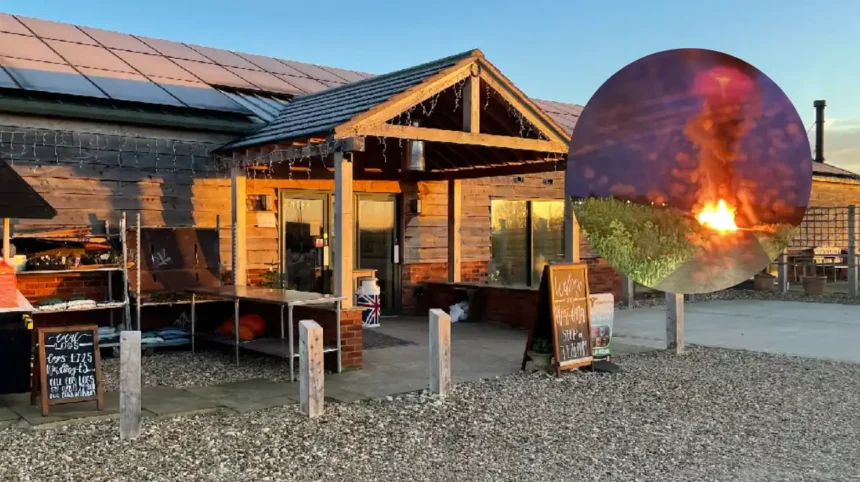
- Seven deliberate fires were started on and near Moor Farm, Glinton, near Peterborough, over two nights in late June.
- Cambridgeshire Police and Cambridgeshire Fire and Rescue Service believe the blazes were intentionally set.
- Six fires occurred around 8pm on 28 June in fields and hedgerows between Peakirk and Glinton; a seventh fire was reported about 10.30pm on 29 June.
- The second fire involved a derelict caravan containing tyres, set alight on Gunthorpe Road near Barn Garden Centre.
- Firefighters, aided by local farmers, prevented the fires from spreading in hot and dry conditions.
- Third-generation beef farmer Judith Jacobs warned that the incidents endanger people, livestock, wildlife, homes and farm businesses.
- Jacobs described the behaviour as “completely unacceptable” and noted similar incidents several times last summer.
- She highlighted risks from current hot and dry weather and the unnecessary pressure placed on fire services.
- Jacobs thanked firefighters and is offering a reward for information leading to identification of those responsible.
- She urged anyone with CCTV footage or relevant information to contact authorities.
- A Cambridgeshire Fire and Rescue Service spokesperson said farms are especially vulnerable to arson due to isolation, open boundaries and combustible materials such as hay and straw.
Cambridge (Cambridge Tribune) July 06, 2026– A Cambridgeshire farmer has warned of the dangers of deliberate fires after seven blazes were started on and near her farm over two nights, prompting fresh concerns about farm arson in the region. As reported by a journalist covering rural safety for Farmers Weekly, Cambridgeshire Police and Cambridgeshire Fire and Rescue Service believe the fires near Peterborough were started deliberately. Firefighters, supported by local farmers, prevented the blazes from spreading in the hot, dry conditions, according to the same report.
- Key Points
- How and Where Were the Seven Fires Set?
- Why Are Farmers and Fire Services Concerned About This Pattern?
- What Response Has Been Given by the Farmer and Authorities?
- Who Is Affected by This Farm Arson Warning in Cambridgeshire?
- How Does This Impact Fire and Emergency Services in the Area?
- Background of the Recent Development in Cambridgeshire Farm Arson
- Prediction: How This Development Could Affect Farmers and Local Residents in Cambridgeshire
- How Could This Impact Local Residents and Emergency Services?
The incidents centre on Moor Farm, Glinton, near Peterborough, where third-generation beef farmer Judith Jacobs has been operating for years. As reported by a rural affairs correspondent for Farmers Weekly, Ms Jacobs said the incidents put people, livestock, wildlife, homes and farm businesses at risk.
“Sadly, we experienced similar incidents several times last summer, and this kind of behaviour is completely unacceptable,”
she said, according to the Farmers Weekly article. “With the current hot and dry weather, these fires pose a serious risk. They also place unnecessary pressure on our fire service, wasting valuable time, resources and water at a time when they are already extremely busy,” she added, as quoted in the same report.
How and Where Were the Seven Fires Set?
The timeline of events indicates a concentrated period of arson activity. At about 8pm on 28 June, six fires were reported in fields and hedgerows around Moor Farm, between Peakirk and Glinton, as detailed in the Farmers Weekly report. A further fire was reported at about 10.30pm the following evening, when a derelict caravan containing tyres was set alight in a lay-by on Gunthorpe Road, near Barn Garden Centre, according to the same source.
These locationsopen fields, hedgerows and a roadside lay-by near a garden centre—highlight how easily deliberate fires can be started in rural and semi-rural settings. The fact that six fires occurred in a single evening suggests coordination or a sustained attempt to cause widespread damage, while the separate fire the following night points to either continued activity or a repeat offender. As noted by a Cambridgeshire Fire and Rescue Service spokesperson, farms are particularly vulnerable to arson because of their isolated locations, open boundaries and combustible materials such as hay and straw, as reported in the Farmers Weekly article.
Why Are Farmers and Fire Services Concerned About This Pattern?
The combination of hot, dry weather and the nature of farm infrastructure creates a high-risk environment for fire. As reported by a journalist for Farmers Weekly, firefighters, supported by local farmers, prevented the blazes from spreading in the hot, dry conditions. This intervention was critical, as unchecked fires in such conditions could have rapidly engulfed large areas of farmland, threatening entire businesses and nearby properties.
Ms Jacobs’ comments underline the broader implications. She warned that the incidents put people, livestock, wildlife, homes and farm businesses at risk, according to the Farmers Weekly report. Her statement that “this kind of behaviour is completely unacceptable” reflects not only personal frustration but also a wider community concern about the growing threat of farm arson in Cambridgeshire. The pressure on fire services is another key issue: as she explained, these fires waste valuable time, resources and water at a time when they are already extremely busy, as quoted in the same article.
What Response Has Been Given by the Farmer and Authorities?
In the immediate aftermath, Ms Jacobs thanked firefighters for their swift response and is offering a reward for information leading to the identification of those responsible, according to the Farmers Weekly article. She urged anyone with CCTV footage or information to contact the authorities, as reported in the same source. This approach mirrors common practice in rural arson cases, where limited footfall and sparse surveillance often mean that local community intelligence and private CCTV are vital to investigations.
Cambridgeshire Police and Cambridgeshire Fire and Rescue Service have already indicated that they believe the fires near Peterborough were started deliberately, as noted in the Farmers Weekly report. Their joint stance reinforces the seriousness of the incidents and suggests that criminal investigation is underway. The fire service spokesperson’s comment that farms are particularly vulnerable to arson due to isolation, open boundaries and combustible materials provides important context for why such locations are targeted, as reported in the same article.
Who Is Affected by This Farm Arson Warning in Cambridgeshire?
The immediate risks extend far beyond the farm itself. As reported by a rural affairs journalist for Farmers Weekly, Ms Jacobs said the incidents put people, livestock, wildlife, homes and farm businesses at risk. In practical terms, this means:
- Local residents living near Moor Farm and surrounding areas could face threats to their properties if fires spread.
- Livestock on nearby farms are at risk of injury or death if blazes reach grazing land or barns.
- Wildlife habitats in hedgerows and fields can be severely damaged or destroyed.
- Farm businesses face potential loss of crops, hay, straw and infrastructure, which could impact livelihoods and local supply chains.
The hot and dry weather conditions further amplify these risks, as noted in the Farmers Weekly report. Under such conditions, even small fires can quickly become large, uncontrollable blazes, increasing the danger to both people and property.
How Does This Impact Fire and Emergency Services in the Area?
The repeated nature of the incidents places additional strain on emergency services. Ms Jacobs explained that these fires place unnecessary pressure on the fire service, wasting valuable time, resources and water at a time when they are already extremely busy, as quoted in the Farmers Weekly article. This is not merely a comment on inconvenience; it reflects a genuine operational challenge.
In rural areas, fire crews often have to travel longer distances to reach incidents, and multiple simultaneous fires can stretch resources across wide geographies. The fact that six fires occurred in one evening, followed by another the next night, suggests a pattern that could overwhelm local capacity if it continues. This, in turn, could delay responses to other emergencies, affecting the wider community’s safety.
Background of the Recent Development in Cambridgeshire Farm Arson
This latest series of fires is not an isolated event. As reported by a journalist covering rural safety for Farmers Weekly, Ms Jacobs stated, “Sadly, we experienced similar incidents several times last summer,” indicating a recurring pattern of deliberate fires in the area. The comment suggests that farm arson has been a persistent issue in Cambridgeshire over the past year, rather than a one-off occurrence.
Cambridgeshire Fire and Rescue Service has previously highlighted that farms are particularly vulnerable to arson because of their isolated locations, open boundaries and combustible materials such as hay and straw, as noted in the Farmers Weekly report. These structural and environmental factors make farms easy targets for those seeking to cause damage with minimal risk of immediate detection. The combination of these vulnerabilities with hot and dry weather conditions creates a high-risk scenario, as explained in the same article.
The broader context also includes national concerns about farm arson as a leading cause of farm fires, as referenced in the advisory coverage on the subject from Farmers Weekly. This indicates that the issue is not unique to Cambridgeshire but part of a wider trend affecting rural businesses across the UK.
Prediction: How This Development Could Affect Farmers and Local Residents in Cambridgeshire
If this pattern of deliberate fires continues, farming businesses in Cambridgeshire could face increasingly serious consequences. As outlined in the Farmers Weekly report, the combination of hot, dry weather and combustible materials such as hay and straw creates a high-risk environment for fire. This means:
- Farmers may need to invest in additional fire prevention measures, such as improved fencing, surveillance, and storage protocols for combustible materials.
- Insurance costs could rise if arson incidents are seen as a growing risk, affecting the financial viability of some smaller operations.
- Some farmers may reconsider keeping large quantities of hay and straw on-site, potentially altering traditional farming practices.
The repeated nature of the incidents, as noted by Ms Jacobs, suggests that without effective intervention, similar events could recur in future hot and dry periods, as reported in the Farmers Weekly article. This could lead to a long-term shift in how rural businesses manage risk and security.
How Could This Impact Local Residents and Emergency Services?
For local residents, the threat is not only about immediate danger from fire but also about the broader impact on community safety and emergency response. As Ms Jacobs explained, these fires waste valuable time, resources and water at a time when fire services are already extremely busy, as quoted in the Farmers Weekly report. If the frequency of arson incidents increases:
- Fire crews may be stretched across multiple locations, potentially delaying responses to other emergencies such as house fires or road accidents.
- Residents may feel less confident in the speed and reliability of emergency services during peak times.
- Community tension could rise if there is suspicion that local individuals or groups are involved, affecting trust within rural communities.
The offer of a reward for information by Ms Jacobs, as reported in the Farmers Weekly article, reflects an attempt to mobilise community support in identifying those responsible. If this approach helps to deter future incidents, it could reduce the long-term risk to both farmers and residents. However, if the pattern persists, the cumulative effect on rural safety and emergency service capacity could become significant, as suggested by the fire service’s comments on farm vulnerability to arson in the same report.