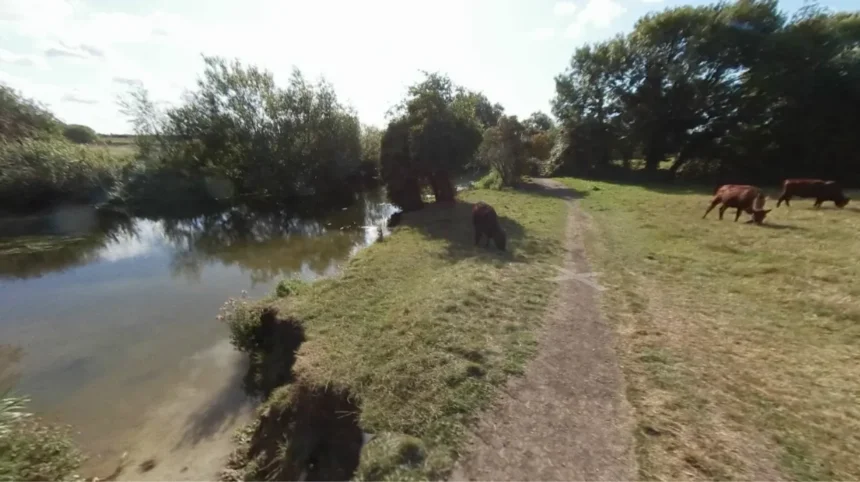
Seasonal living in Cambridge refers to adjusting daily routines, activities, and local engagement in response to the distinct environmental, academic, and economic shifts that occur across the four calendar seasons in Cambridge, United Kingdom.
- What Environmental and Climatic Changes Occur in Cambridge During Spring?
- How Does Summer Impact Tourism, Culture, and Life Along the River Cam?
- How Does Autumn Reshape the Academic Atmosphere and City Landscape?
- What Seasonal Shifts and Events Define Winter Living in Cambridge?
- What is the best month to visit Cambridge for good weather and fewer crowds?
- How does the Cambridge University term schedule affect daily city traffic?
- Is punting on the River Cam possible during the winter months?
- What are the top free outdoor spaces to enjoy autumn foliage in Cambridge?
- How cold does it get in Cambridge during winter, and does it snow often?
Cambridge is an ancient university city located in Cambridgeshire, England, situated along the River Cam. The local geography features flat terrain within the East Anglia region, which experiences a temperate maritime climate characterized by moderate rainfall, cool winters, and mild summers.
The historical trajectory of Cambridge is deeply intertwined with Cambridge University, founded in 1209. The presence of thirty-one constituent colleges shapes the civic infrastructure, local commerce, and physical movement within the urban boundaries during academic terms.
The structure of seasonal change in Cambridge depends on meteorology, academic term calendars, and tourism cycles. The academic calendar is divided into three primary terms: Michaelmas Term from October to December, Lent Term from January to March, and Easter Term from April to June.
The process of seasonal transformation affects transportation networks, retail demand, and public space utilization. During academic terms, bicycle traffic increases, public parks experience high usage, and local businesses adjust staffing levels to accommodate student populations.
Real world examples of seasonal events in Cambridge include punting on the River Cam during summer, attending midsummer fairs, participating in autumn college tours, and visiting winter holiday markets on Market Square.
Statistical data indicates that Cambridge receives approximately 560 millimeters of annual precipitation, making it one of the driest cities in the United Kingdom. Temperatures range from an average winter low of 1 degree Celsius to a summer high of 23 degrees Celsius.
The future relevance of seasonal planning in Cambridge is critical for urban planners, local businesses, and municipal authorities. Climate variability and shifting demographic trends require continuous adaptation of municipal services, flood defenses, and public transit schedules.
What Environmental and Climatic Changes Occur in Cambridge During Spring?
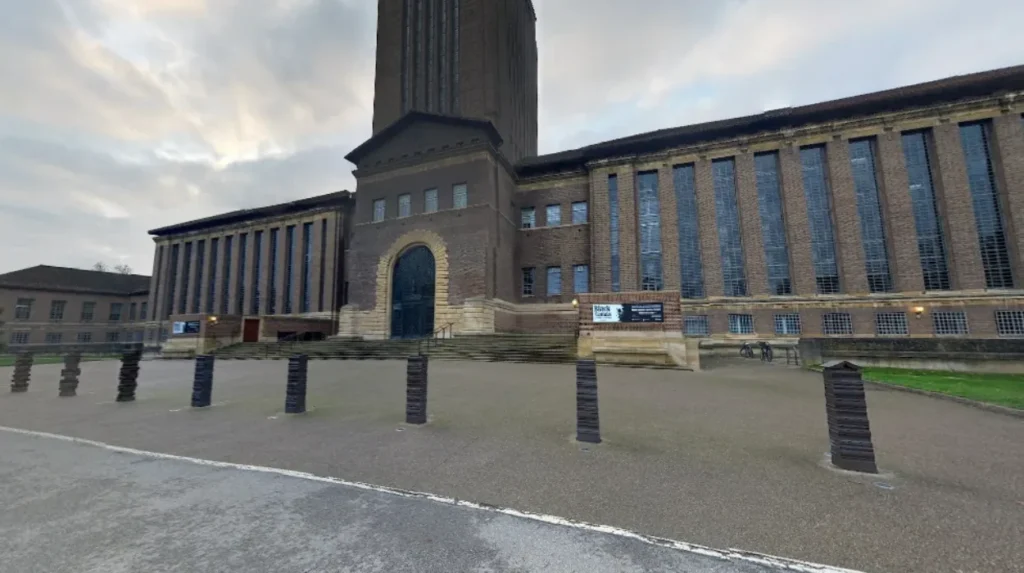
Spring in Cambridge brings rising temperatures, blooming flora across public colleges, increasing day length, and the transition of the River Cam into a primary destination for outdoor recreation, punting, and civic leisure activities.
The spring climate transition begins in March and continues through May. Average daily high temperatures increase from 10 degrees Celsius in March to 17 degrees Celsius in May, while night temperatures average around 4 degrees Celsius.
Historical records show that Cambridge gardens, including the Cambridge University Botanic Garden established in 1846, serve as primary indicators of local ecological changes, hosting over 8000 plant species that bloom during early spring months.
The structural framework of spring includes the resumption of rowing competitions on the River Cam, such as the May Bumps, which take place in June despite the traditional name, alongside increased college grounds maintenance.
The mechanism of spring activity involves the influx of global visitors and returning academic scholars following the Easter vacation period, which revitalizes commercial corridors along King Street, Trinity Street, and Regent Street.
Examples of spring events include the Cambridge Science Festival, the blooming of cherry blossoms on Jesus Green, and guided walking tours through historic college courts including Trinity College and St John’s College.
Data from the Met Office confirms that spring in Cambridgeshire receives an average of 150 hours of monthly sunshine, providing optimal conditions for walking, cycling, and outdoor ecological monitoring across local reserves.
The long term implications of spring climatic shifts affect local agriculture in surrounding South Cambridgeshire, water table management in the Fens, and municipal scheduling for public park restoration and tree canopy protection.
How Does Summer Impact Tourism, Culture, and Life Along the River Cam?
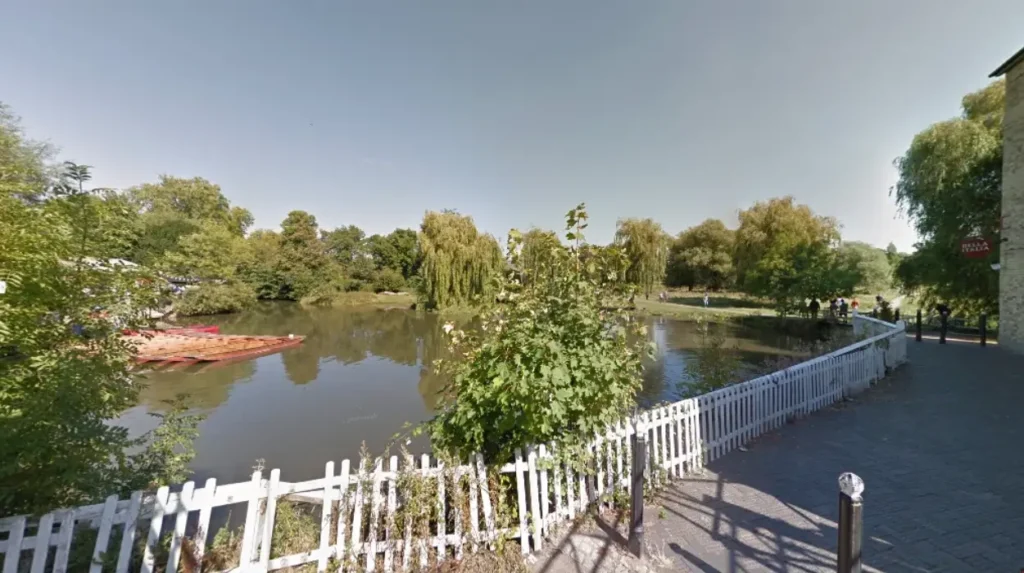
Summer transforms Cambridge into a major international tourist hub characterized by warm weather, long daylight hours, intensive punting activity on the River Cam, and large outdoor cultural festivals across city green spaces.
The summer season spans June through August, featuring maximum daily temperatures averaging between 21 and 23 degrees Celsius. The city experiences up to 16 hours of daylight during the summer solstice in late June.
Historically, the summer month of June marks the conclusion of academic examinations, leading to traditional May Balls, a series of formal celebrations hosted by university colleges since the nineteenth century across campus grounds.
The structural components of summer in Cambridge involve the full operation of river punting stations from Jesus Lock to Mill Pond, alongside temporary pop up markets and open air musical performances in public parks.
The economic mechanism during summer shifts from student centered commerce to international tourism, bringing an estimated 8 million annual visitors to the historical city core and surrounding architectural landmarks.
Examples of major summer gatherings include the Midsummer Fair, which originated in 1211 under a charter granted by King John, and the Cambridge Folk Festival held annually at Cherry Hinton Hall.
Research data demonstrates that river usage peaks between July and August, with hundreds of punts navigating the stretch of the River Cam known as the Backs every single hour during peak weekend times.
The future implications of summer weather include managing urban heat island effects, mitigating river pollution, regulating commercial river traffic, and preserving historical stone masonry on centuries old college buildings.
How Does Autumn Reshape the Academic Atmosphere and City Landscape?
Autumn marks the return of university students, cooler weather, vibrant foliage along the River Cam, and a formal renewal of academic and cultural programming across the city of Cambridge.
Autumn conditions emerge in September and last through November, bringing a steady drop in average temperatures from 18 degrees Celsius down to 9 degrees Celsius, along with increased autumn winds and rainfall.
Historically, the arrival of October coincides with the start of the Michaelmas Term, an academic schedule maintained since the medieval era that sets the operational calendar for local businesses and university institutions alike.
The structural elements of autumn feature dense golden canopy displays along the Backs, Parker’s Piece, and Midsummer Common, alongside increased public library usage and academic research symposia across departments.
The operational mechanism during autumn revolves around student matriculation, traffic density changes as thousands of cyclists return to narrow historic streets, and increased activity within internal college dining halls.
Examples of autumn activities include visiting the Fitzwilliam Museum, exploring the autumn colors at Wandlebury Country Park, and participating in the Cambridge Festival of Ideas across various academic venues.
Statistical reports indicate that over 24000 university students return to Cambridge every October, increasing the local population density significantly within the city centre and residential wards like Petersfield and Chesterton.
The future implications of autumn transitions require robust municipal traffic management, expanded cycle lane safety infrastructure, and efficient energy consumption management for historic heritage buildings across the city.
What Seasonal Shifts and Events Define Winter Living in Cambridge?
Winter in Cambridge features short days, crisp cold weather, festive markets, reduced tourism, and quiet study periods punctuated by traditional choral services across historic college chapels.
Winter extends from December through February, with daily maximum temperatures averaging 7 degrees Celsius and nighttime minimums frequently dropping near 0 degrees Celsius, accompanied by occasional frost and light snowfall events.
Historically, winter in Cambridge is celebrated for traditional Anglican choral events, most notably the Festival of Nine Lessons and Carols, broadcast globally from King’s College Chapel every Christmas Eve since 1918.
The structural design of winter includes quiet academic study blocks during the Lent Term, reduced river navigation, indoor museum exhibitions, and winter light displays across commercial shopping districts.
The mechanism of winter living involves reduced outdoor pedestrian flows, increased indoor hospitality reliance, and municipal winter gritting routines across major roadways, bicycle paths, and pedestrian footbridges.
Examples of winter highlights include ice skating opportunities, visiting the Cambridge University Museum of Zoology, exploring local winter craft markets, and attending concert performances at West Road Concert Hall.
Climatic data shows that December and January represent the shortest daylight periods in Cambridge, offering under 8 hours of sun per day, which influences residential energy usage patterns across urban areas.
The future relevance of winter adaptation centers on sustainable heating upgrades for ancient university structures, maintaining urban flood defenses against seasonal winter rains, and supporting local retail businesses during low tourism periods.
What is the best month to visit Cambridge for good weather and fewer crowds?
May and September offer the ideal balance for visitors seeking pleasant weather without peak tourism crowds. During these months, average temperatures remain mild, and academic terms are either ending or just beginning, allowing easier access to historic sites and college grounds.
How does the Cambridge University term schedule affect daily city traffic?
University term schedules significantly increase cycle and pedestrian traffic throughout the central city streets. Between October and June, thousands of students travel between colleges and lecture halls, leading to busier roads and higher demand for local cafes and public transport routes.
Is punting on the River Cam possible during the winter months?
Yes, punting operates throughout the winter season, provided river conditions remain safe and ice free. Operators offer warm blankets and hot drinks, making winter punting a quiet, unique way to view the Backs without summer river congestion.
What are the top free outdoor spaces to enjoy autumn foliage in Cambridge?
The Backs, Parker’s Piece, Jesus Green, and the Cambridge University Botanic Garden present exceptional autumn foliage displays. Walking along the River Cam provides uninterrupted views of ancient trees changing colors alongside historic college architecture.
How cold does it get in Cambridge during winter, and does it snow often?
Winter temperatures in Cambridge usually hover between 1 and 7 degrees Celsius, with sub zero frosts on clear nights. Heavy snowfall is rare due to the dry climate of East Anglia, though light dustings occur occasionally in January and February.