


Newnham, Cambridge residents have long voiced worries about their water supply reliability and quality. These issues stem from aging infrastructure, environmental pressures, and rapid urban growth in this historic suburb. Understanding these challenges helps residents and authorities work toward lasting improvements.
- Newnham: A Riverside Suburb’s Water Legacy
- Historical Context of Cambridge Water Challenges
- Causes Behind Frequent Disruptions
- Health and Daily Life Impacts
- Cambridge Water’s Response Strategies
- Community Advocacy and Local Efforts
- River Cam’s Role in Supply Dynamics
- Future Outlook for Reliable Supplies
- Practical Steps for Newnham Households
- Regulatory and Policy Framework
Newnham: A Riverside Suburb’s Water Legacy
Nestled along the River Cam, Newnham forms a picturesque yet vulnerable part of Cambridge. This residential area, home to families, academics, and professionals, relies heavily on local water networks managed by Cambridge Water. Historical records show that Cambridge’s water systems date back centuries, evolving from river pumps to modern mains, but recent decades have brought strains from population growth and climate variability.
The suburb’s proximity to the river heightens risks, as surface water influences both supply sources and quality. Government reports highlight how Cambridge’s expansion, including new housing, outpaces infrastructure upgrades, leading to persistent vulnerabilities. Residents often report low pressure or outages, disrupting daily life in this close-knit community.
Historical Context of Cambridge Water Challenges
Cambridge’s water history reflects engineering triumphs and ongoing trials. Early systems drew directly from the River Cam, but 19th-century cholera outbreaks spurred piped networks from underground sources. By the 20th century, reservoirs and boreholes supported growth, yet Victorian-era pipes still linger in areas like Newnham.
Post-war expansion intensified demands, with leaks and bursts becoming common. Official water resources plans note that Cambridge Water serves over 350,000 customers, facing leakage rates above targets for three years running. This historical underinvestment now collides with modern needs, fueling resident frustrations.
Academic studies on the River Cam catchment emphasize how urban diffuse pollution and misconnections exacerbate issues. Upstream sewage works, like those near Haslingfield, contribute bacteria that complicate purification, indirectly straining Newnham supplies.
Causes Behind Frequent Disruptions
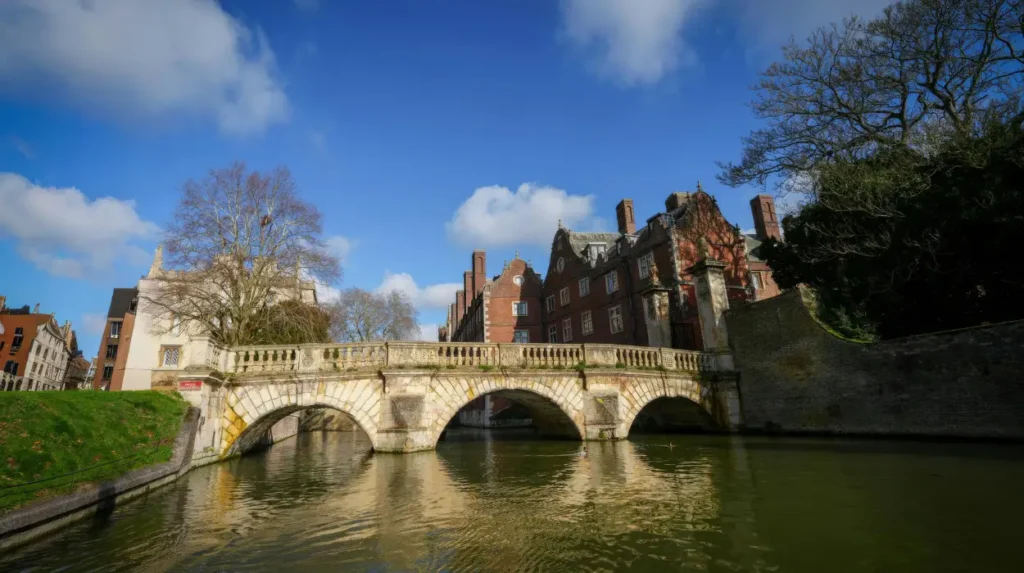
Burst mains top the list of culprits, often triggered by ground movement or corrosion in old pipes. Cambridge Water’s incident logs show Northampton Street in Newnham as a hotspot, where repairs restore flow but leave discoloration from sediment. Climate change amplifies this, with wetter winters weakening soil around pipes.
Leakage plagues the network, with annual reviews citing excess losses that risk both the environment and reliability. Rapid housing development in Cambridge heightens demand, outstripping supply forecasts and prompting Environment Agency warnings.
River Cam quality adds complexity. Sewage overflows from upstream facilities release E. coli, peaking after rain and traveling downstream to Newnham. Surface runoff from local areas, possibly via misconnections, further pollutes tributaries feeding into reserves near the suburb.
Health and Daily Life Impacts
Unreliable water hits Newnham households hard, forcing bottled alternatives during outages and raising hygiene risks. Post-burst discoloration, though safe after flushing, erodes trust and prompts health queries.
Poor river-linked quality indirectly threatens drinking supplies, as treatment plants work overtime against pollutants. Vulnerable groups, such as elderly residents and families with infants, face heightened concerns, with studies linking water insecurity to stress and minor illnesses.
Economically, disruptions affect local businesses and home values in this desirable area. Residents report added costs for filters or deliveries, while repeated issues dent Cambridge’s appeal as a liveable city.
Cambridge Water’s Response Strategies
Cambridge Water acts swiftly on bursts, isolating faults and restoring service, as seen in recent PE27 and CB24 postcode fixes. Their incident page provides real-time updates, helping residents prepare with stored water.
Long-term, annual Water Resources Management Plans outline leakage reductions and new boreholes, though delays from raw water quality issues at sites like Melbourn persist. Investments target supply-demand balance amid growth.
Collaboration with regulators pushes upgrades, including smarter leak detection. However, critics argue that pace lags behind needs, with resident feedback driving calls for transparency.
Community Advocacy and Local Efforts
Newnham residents actively engage through forums like Cam Valley Forum, hosting events to probe the river pollution’s supply ties. Their “sewage sleuthing” reveals upstream overflows as key pollutants, pressuring Anglian Water for fixes.
Petitions and social media amplify voices, linking water woes to broader environmental health. Paradise Nature Reserve monitoring shows post-rain E. coli spikes from potential misconnections, spurring calls for home checks.
These grassroots pushes complement official channels, fostering dialogue with utilities and councils for resilient infrastructure.
River Cam’s Role in Supply Dynamics
The River Cam shapes Newnham’s water narrative profoundly. Bathing Water Designation spurred monitoring, exposing sewage works’ overflows 30% uptime at Haslingfield last year. Pollutants flow downstream, challenging treatment for potable use.
Diffuse urban runoff and ditch inflows near Newnham Croft add bacteria, hitting 100,000 colonies/100ml after storms—levels rivaling raw effluent. Conservation efforts aim to curb this, protecting both recreation and supplies.
Climate-resilient strategies, like upstream fixes, promise relief, but implementation spans years.
Future Outlook for Reliable Supplies
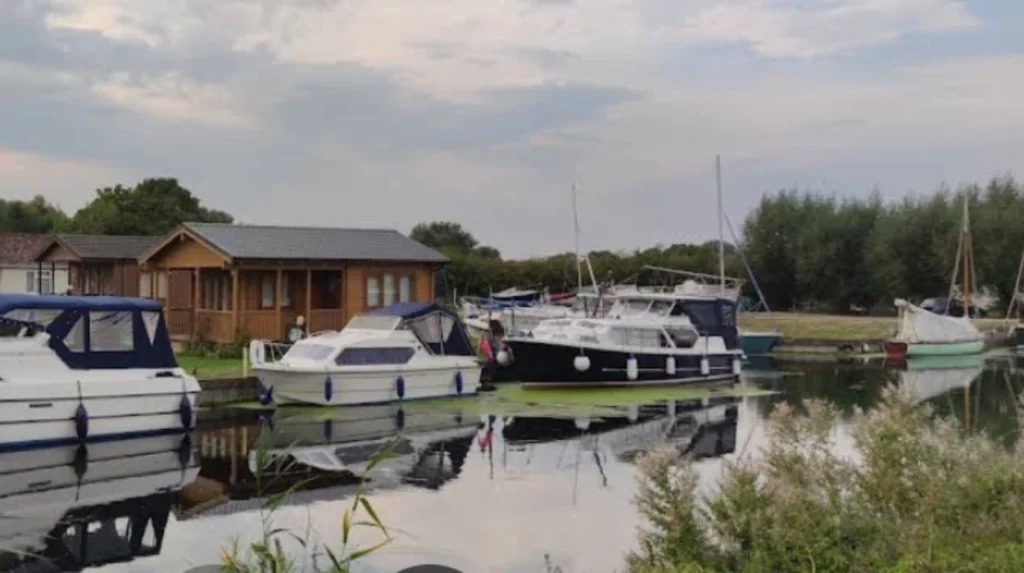
Projections show Cambridge’s population swelling, demanding proactive infrastructure overhauls. Cambridge Water’s plans include demand management and leakage tech, eyeing security through 2050.
Regulatory letters demand “swift action” on shortfalls, tying water to housing approvals. Newnham could benefit from pipe renewals and smart meters.
Optimism lies in tech: AI-monitored networks and sustainable sourcing. Resident vigilance ensures accountability, paving evergreen improvements.
Practical Steps for Newnham Households
Homeowners can inspect for leaks, report low pressure promptly, and use filters during discoloration. Council advice stresses flushing taps post-outage for clarity.
Supporting clean-up campaigns reduces runoff pollution. Engaging Cambridge Water’s feedback portals builds collective pressure.
Staying informed via official sites empowers preparation, turning concerns into action.
Regulatory and Policy Framework
The Environment Agency oversees supply security, flagging Cambridge’s risks annually. Drinking Water Inspectorate enforces quality, while Defra pushes leakage curbs.
Water Resources Management Plans mandate long-term planning, integrating climate data. Newnham’s issues spotlight national debates on privatization and investment.
Policies evolve toward net-zero, blending conservation with infrastructure renewal.
Newnham Cambridge residents raise water supply concerns not as isolated gripes, but as calls for systemic resilience. By blending history, science, and community drive, Cambridge charts a path to steadier flows. Ongoing vigilance promises a future where river charm enhances, rather than endangers, daily life.
Does Cambridge have a water shortage?
Cambridge faces supply-demand deficits amid rapid growth, with regulators warning Cambridge Water of risks to customers and the environment for three consecutive years. Newnham residents experience this through bursts and low pressure.
Why is water in Cambridge so hard?
Cambridge water is hard due to high mineral content from underground sources passing through limestone, exceeding national averages at 342-548 mg/L. This causes scaling in pipes and dry skin for Newnham households. It stems from local geology, not treatment issues.
Is hard water good for osteoporosis?
Hard water’s calcium and magnesium may offer minor bone health benefits, potentially aiding osteoporosis by boosting mineral intake. However, evidence is limited, and experts advise balanced diet over relying on water alone. Newnham residents see no direct health fixes from it amid supply woes.
What’s the problem with Thames Water?
Thames Water grapples with massive debts, leaks, sewage spills, and outdated infrastructure, earning record fines from Ofwat. It doesn’t serve Cambridge directly, but national scrutiny highlights similar risks for areas like Newnham. Bill hikes loom to fund fixes.
Does Cambridge have a water shortage?
No acute shortage exists, but Cambridge Water’s leakage exceeds targets, endangering supply security amid housing booms. Newnham, Cambridge residents raise water supply concerns via frequent bursts, signaling strain. The government pushes pipelines and reservoirs for relief.