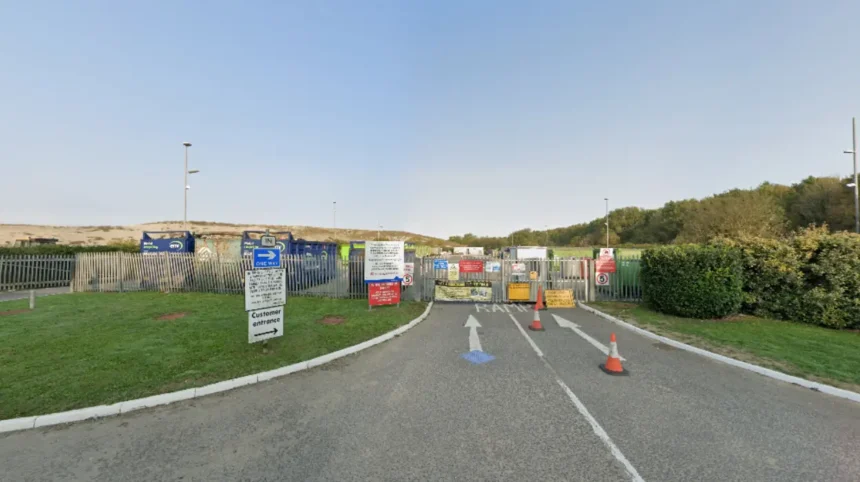
Cambridge residents must separate waste into black, blue, and green bins for local council collection according to designated schedules. Black bins hold non-recyclable refuse, blue bins store dry recyclables, and green bins accommodate garden and organic material.
- Which Items Go into the Black, Blue, and Green Bins?
- How Do Household Recycling Centers Operate in Cambridge?
- What Are the Rules for Bulky Waste Disposal in Cambridge?
- How Does Cambridge Manage Commercial and Hazardous Waste?
- What happens if I miss my bin collection day in Cambridge?
- Can I put soft plastic packaging and bags in my Cambridge blue bin?
- Do I need to pay to drop off garden waste at the Milton Recycling Center?
- How do I dispose of old paint cans in Cambridge?
- How do students in shared Cambridge housing manage bin allocations?
Greater Cambridge Waste Services handles municipal waste management across Cambridge City Council and South Cambridgeshire District Council. Bins must be placed at the edge of property boundaries by 6:00 AM on scheduled collection days. Bins must have fully closed lids and no surrounding extra waste bags.
The collection schedule alternates weekly between black bin pickup and joint blue and green bin pickup. Local regulations mandate that contaminated bins containing incorrect items will be tagged with a non-collection sticker and left unemptied until residents rectify the waste sorting error.
Which Items Go into the Black, Blue, and Green Bins?
Black bins store non-recyclable general waste like plastic film, nappies, and polystyrene. Blue bins take paper, cardboard, metal cans, glass, and hard plastics. Green bins receive garden waste, leaves, food scraps, and raw or cooked food materials.
Proper sorting prevents waste stream contamination and ensures high recycling processing rates across Cambridgeshire facilities. Blue bin contents must be clean, dry, and loose rather than bagged, enabling automated sorting equipment at the Amey Material Recycling Facility to process materials efficiently.
Green bins accept all cooked and uncooked food waste, including meat bones, tea bags, fruit peels, and garden vegetation. Black bins handle non-recyclable items such as disposable diapers, pet litter, sanitary products, bubble wrap, and soft plastic wrappers.
How Do Household Recycling Centers Operate in Cambridge?
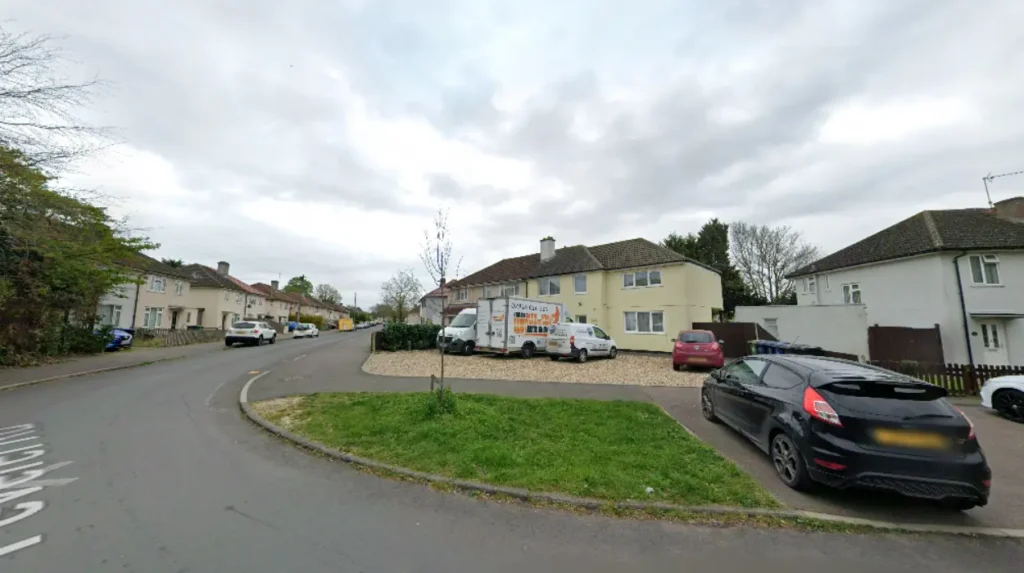
Household Recycling Centers in Milton and Thriplow accept specialized waste types, hazardous materials, and bulky household items free of charge. Residents must book online entry slots prior to visiting and present local proof of address upon arrival at the facility gates.
Cambridgeshire County Council operates the primary Household Recycling Centers serving Cambridge residents at Milton, located north of the city, and Thriplow, situated to the south. These centers manage materials that kerbside collections cannot accommodate, including electrical goods, soil, timber, paints, and chemicals.
Visitors must sort items prior to arrival into designated container bays to streamline unloading processes. Pedestrians and cyclists can access specific recycling points, while motor vehicle drivers must strictly adhere to reserved booking time slots to control traffic volume.
What Are the Rules for Bulky Waste Disposal in Cambridge?
Bulky household waste disposal requires booking a paid council collection service or dropping items directly at a regional Household Recycling Center. Residents can schedule collection for large items such as furniture, mattresses, and household appliances through the city portal.
Cambridge City Council provides a dedicated bulky waste collection service for a fixed fee covering up to three distinct items per appointment. Items must be placed outside the property at ground level in an accessible location before 6:00 AM on the scheduled collection morning.
Illegal dumping or fly-tipping on public land is a criminal offense under the Environmental Protection Act 1990. Offender violations attract fixed penalty notices starting at 400 British Pounds or unlimited judicial fines upon prosecution.
How Does Cambridge Manage Commercial and Hazardous Waste?
Commercial businesses must hire licensed waste contractors to handle trade refuse, while residents dispose of domestic hazardous waste through controlled recycling center bays. Business waste is legally prohibited from entering domestic bin collection streams under UK environmental laws.
The Protection of the Environment Regulation enforces the duty of care requirement on all Cambridge businesses, mandating registered waste transfer notes for every commercial waste disposal transaction. Licensed trade waste carriers collect commercial refuse under private contracts.
Domestic hazardous waste, including engine oil, asbestos, garden chemicals, and household batteries, requires specific handling at designated bays in the Milton Recycling Center. Residents must declare hazardous substances to site staff upon arrival to ensure safe environmental containment.
What happens if I miss my bin collection day in Cambridge?
Residents who miss collection day must store their waste securely until the next scheduled cycle or take excess waste to the Milton or Thriplow Household Recycling Center. If the council missed the collection due to operational issues, residents can report a missed bin online within 48 hours for a crew return trip.
Can I put soft plastic packaging and bags in my Cambridge blue bin?
No, soft plastics, carrier bags, and plastic film cannot go into the Cambridge blue bin as they tangle in automated sorting machinery. Soft plastics should be taken to major supermarket collection points or placed into the black general waste bin.
Do I need to pay to drop off garden waste at the Milton Recycling Center?
No, domestic residents of Cambridgeshire can drop off garden waste free of charge at the Milton center. However, you must book an online slot in advance and bring proof of local address to enter the facility.
How do I dispose of old paint cans in Cambridge?
Liquid paint cannot be placed in household bins. Empty or fully dried paint tins can go into the black bin, while liquid paint must be brought to the Milton Recycling Center for hazardous liquid disposal or donated to local community repaint schemes.
How do students in shared Cambridge housing manage bin allocations?
Shared student housing occupants must ensure bins are tagged with their street number, sorted correctly to avoid non-collection tags, and returned to property boundaries within 24 hours of collection to avoid local enforcement notices.