
Hiring a reliable builder in Cambridge requires systematic evaluation of local trade accreditations, building control compliance history, and structured legal contracts. Property owners must verify insurance coverage, check references for work completed within Cambridgeshire, and secure detailed written estimates before starting project work.
- What Qualifications Should You Check When Hiring Cambridge Builders?
- How Do You Verify a Builder’s Past Work in Cambridgeshire?
- What Are the Local Planning and Building Regulations in Cambridge?
- How Should You Structure a Construction Contract for a Local Project?
- What Are the Average Costs and Payment Expectations for Builders in Cambridge?
- What is the average lead time to hire a reliable builder in Cambridge?
- Do I need a party wall agreement for an extension in Cambridge?
- How do ground conditions in Cambridge affect foundation costs?
- Who is responsible for securing building control sign-offs during construction?
- What happens if my builder uncovers unexpected structural issues on site?
Cambridge features distinct architectural characteristics ranging from historic Victorian terraces in Mill Road to modern sustainable builds in Eddington. Engaging a qualified local contractor ensures that construction adheres to specific ground conditions, such as the heavy clay soil common throughout Cambridgeshire, which requires specialized foundation engineering.
Furthermore, working with established local firms simplifies the logistics of material transport through restricted city access zones and historic narrow streets.
Local building contractors must navigate strict local regulatory frameworks enforced by the Cambridge City Council and South Cambridgeshire District Council.
Hiring experienced professionals prevents project delays associated with unpermitted structural changes or non-compliant building materials. Qualified builders maintain direct working relationships with regional building control inspectors, ensuring seamless sign-offs at crucial construction milestones such as excavation, structural framing, and final completion.
What Qualifications Should You Check When Hiring Cambridge Builders?
Verifying contractor qualifications involves inspecting trade association memberships, statutory registries, professional liability insurance coverage, and formal certifications. Property owners must validate active status on official trade databases to ensure compliance with UK construction standards and safety requirements.
Trade associations provide independent vetting of contractor competence and financial stability. Key national bodies include the Federation of Master Builders, the National Federation of Builders, and the Considerate Constructors Scheme.
Members of these organizations undergo regular inspections of their ongoing site work, business practices, and customer satisfaction records. Selecting a builder affiliated with an accredited trade body provides property owners with access to formal dispute resolution services and third-party work guarantee schemes.
Statutory certifications are legally required for specific technical trades within any residential or commercial project. Gas engineers must hold valid registration with the Gas Safe Register to legally install or service boilers and heating pipework. Electrical installations must be executed by professionals certified under competent person schemes such as NICEIC, NAPIT, or ELECSA to issue Building Regulations compliance certificates.
Property owners should request proof of current registration numbers and verify them directly on regulatory online registries before signing construction contracts.
Comprehensive insurance coverage is mandatory to protect against accidental damage, structural failures, and worker injuries on site. Builders must hold public liability insurance with a minimum indemnity limit of five million pounds to cover third-party property damage.
Employer liability insurance is legally required for firms hiring staff, offering minimum coverage of five million pounds. Contractors undertaking structural work should also maintain professional indemnity insurance to cover design errors, alongside structural warranties for major extension projects.
How Do You Verify a Builder’s Past Work in Cambridgeshire?
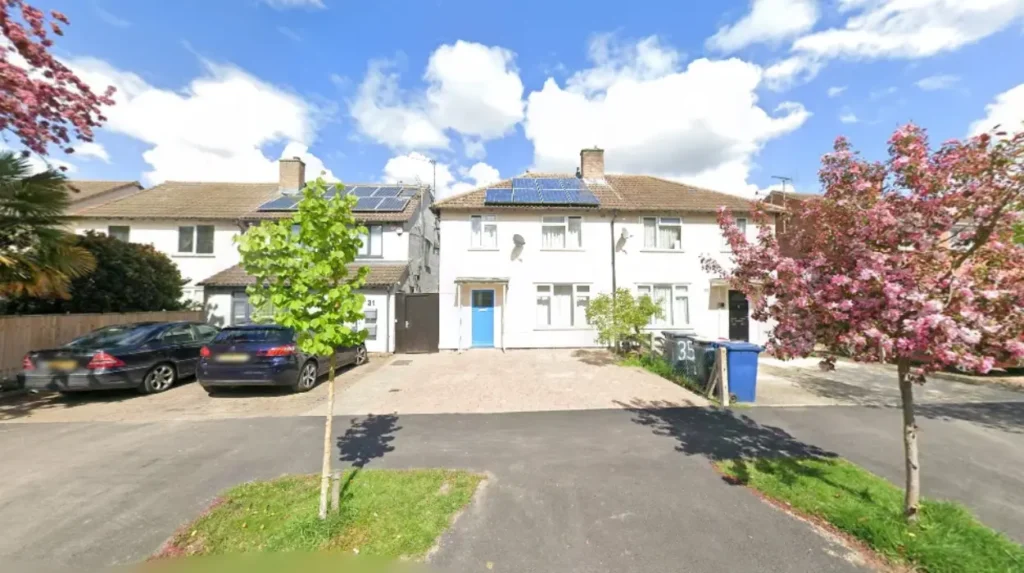
Validating a builder’s track record requires inspecting completed local projects, speaking directly with past clients, and reviewing online feedback across verified rating platforms. Inspecting physical sites in Cambridge allows property owners to evaluate material finishes and structural quality first hand.
Requesting references from project sites completed within the past twenty-four months offers accurate insight into a contractor’s recent performance. Contact former clients to inquire about project management efficiency, adherence to original budget estimates, and site cleanliness.
Specific questions should address how the builder handled unforeseen structural challenges, design modifications, and post-completion defect rectifications. Speaking directly with previous homeowners reveals the communication habits and reliability of the site foreman.
Site visits to current or recently finished projects in areas like Chesterton, Trumpington, or Romsey provide tangible proof of workmanship. Pay close attention to masonry alignment, pointing consistency, roof tile fitting, and interior joinery precision.
Observe how active construction sites operate, noting worker safety protocols, material storage methods, and waste management practices. Tidy sites with clear safety signage generally indicate organized project management and professional pride.
Digital verification complements direct client feedback through aggregate review data. Cross-reference feedback on platforms like TrustMark, Checkatrade, and Google Business Profiles to detect patterns in performance.
Be cautious of reviews lacking detail or platforms that do not verify customer invoices prior to publishing feedback. Cross-referencing online testimonials with public planning portal records at Cambridge City Council confirms whether the builder successfully delivered projects of similar scale and complexity.
What Are the Local Planning and Building Regulations in Cambridge?
Navigating local planning and building regulations requires submitting precise technical plans to local planning authorities and securing building control approval. Compliance ensures that construction meets safety, environmental, historical preservation, and energy efficiency rules established across Cambridgeshire.
Planning permission is managed by the Greater Cambridge Shared Planning service, covering both Cambridge City Council and South Cambridgeshire District Council. Permitted development rights allow certain minor extensions and loft conversions without full planning permission, provided specific limits on height and boundary proximity are met.
However, property owners must secure a Certificate of Lawful Development to prove compliance. Larger extensions, structural modifications, and new builds require formal planning applications supported by architectural drawings and environmental impact assessments.
Cambridge contains numerous Conservation Areas and thousands of Listed Buildings where strict heritage planning controls apply. Works on listed structures require Listed Building Consent prior to commencing any demolition, alteration, or extension work.
Historic areas like the City Centre, Newnham, and West Cambridge mandate traditional construction materials, such as Cambridge Gault clay bricks, slate roofing, and timber sash windows. Qualified local contractors possess experience working alongside local conservation officers to fulfill historic restoration guidelines.
Building regulations compliance is separate from planning permission and focuses on structural integrity, fire safety, insulation performance, and drainage design. Work must be inspected by either Local Authority Building Control or an Approved Inspector at key project stages.
Upon satisfactory completion, the inspector issues a Building Regulations Completion Certificate. This document is essential for future property sales, mortgage approvals, and home insurance validity, proving that structural works comply with UK Building Regulations Approved Documents.
How Should You Structure a Construction Contract for a Local Project?
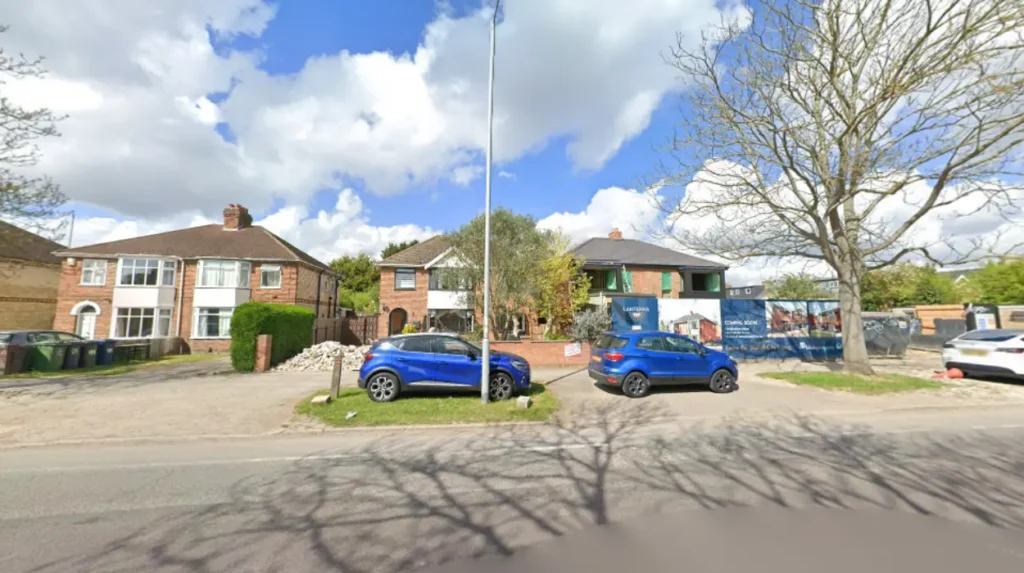
Structuring a construction contract requires implementing standardized legal agreements that outline project scope, payment schedules, completion timelines, and dispute resolution mechanisms. Written contracts protect both property owners and builders by establishing clear obligations and liability limits.
Standardized contract forms provided by recognized industry bodies ensure fair and legally binding terms. The Joint Contracts Tribunal produces JCT Homeowner Contracts specifically designed for residential renovation and extension projects.
Alternatively, the Federation of Master Builders offers standard contract templates tailored for small to medium domestic works. These documents clearly define the responsibilities of both parties, reducing the risk of misunderstandings or scope creep during construction.
A detailed scope of work and fixed specification sheet must be attached to the primary contract. This documentation specifies exact architectural drawings, material grades, fixture selections, and finished standards.
Any changes requested during construction must be recorded using formal written variation orders detailing price and schedule adjustments. Clear scope definitions prevent unexpected costs and ensure that both the builder and the client share identical expectations regarding final deliverables.
Payment schedules must be linked directly to completed and inspected project milestones rather than calendar dates. Initial upfront deposits should remain minimal, typically covering only bespoke off-site manufactured components.
Standard stage payments occur following successful inspection of foundations, wall structures, roof framing, plastering, and practical completion. Retaining a final payment percentage, usually three to five percent, for a six-month defects liability period ensures the contractor returns to rectify minor post-completion issues.
What Are the Average Costs and Payment Expectations for Builders in Cambridge?
Evaluating construction costs in Cambridge requires accounting for regional labor rates, material supply chains, site access constraints, and standard payment structures. Detailed itemized estimates allow property owners to compare market prices and manage project budgets effectively.
Construction costs in Cambridge remain higher than regional averages due to economic demand, skilled labor shortages, and proximity to London. Standard single-storey extensions generally range from two thousand to two thousand eight hundred pounds per square meter for basic construction shell works.
High-specification finishes, complex structural alterations, or heritage property restorations can elevate costs beyond three thousand five hundred pounds per square meter. Securing itemized quotes from at least three local contractors establishes a realistic budget benchmark.
Estimates must provide a clear breakdown of labor, material costs, plant hire, waste disposal, and statutory VAT. Quotes should distinguish between fixed prices and provisional sums, which represent estimated costs for items not fully specified at contract signing.
Beware of quotes that lack breakdown detail or appear significantly lower than competitors, as these often omit crucial elements like groundworks, scaffolding, or professional fees, leading to financial disputes later.
Fair payment terms align financial transfers with verified project progress and material delivery on site. Avoid contractors who request large cash upfront payments prior to work commencing or materials arriving at the property.
Professional builders maintain trading accounts with major regional building merchants, allowing them to cash-flow initial setup costs. Legitimate payments should be made via verifiable bank transfers based on agreed invoice schedules linked to building control sign-offs.
What is the average lead time to hire a reliable builder in Cambridge?
Most reputable local builders in Cambridge are booked four to eight months in advance. Securing a qualified contractor requires early planning, especially for projects requiring planning permissions or specialist heritage work. Immediate availability often indicates a canceled project or a lack of ongoing local demand.
Do I need a party wall agreement for an extension in Cambridge?
A party wall agreement is legally required if your proposed construction involves work on a shared wall or excavation within three to six meters of a neighbor’s structure. You must serve formal notice to adjacent owners under the Party Wall etc. Act 1996 at least two months before starting structural work.
How do ground conditions in Cambridge affect foundation costs?
Cambridge contains high concentrations of Gault clay, which shrinks and swells significantly with moisture changes. Builders often need to excavate deeper trench foundations or install engineered piled foundations near mature trees to meet building regulations, which increases initial groundwork expenditure.
Who is responsible for securing building control sign-offs during construction?
The property owner is legally responsible for ensuring building regulation compliance, though contractors typically handle day-to-day inspection bookings. Ensure your construction contract explicitly states that the builder must coordinate site visits with inspectors to secure the final completion certificate.
What happens if my builder uncovers unexpected structural issues on site?
Unexpected issues require a formal variation order detailing the scope of extra work and associated costs before proceeding. Contracts should include a ten to fifteen percent contingency fund within the budget to cover structural remediation, unexpected subfloor dampness, or historical masonry repairs.