
Electric vehicle charging in Cambridge without a private driveway relies on public hubs, council infrastructure, cross-pavement channel permits, and shared private charging networks.
- How Can Cambridge Residents Charge Electric Vehicles Without a Driveway?
- What Are the Council Regulations for Running Charging Cables Across Footpaths in Cambridge?
- Where Are the Main Public Electric Vehicle Charging Hubs Located in Cambridge?
- How Do On-Street Resident Parking Permits Work with Electric Vehicle Charging?
- Can I run a charging cable from my house across the pavement in Cambridge?
- How much does it cost to charge an electric car at public hubs in Cambridge?
- Does a Cambridge resident parking permit guarantee me a spot near a charger?
- How can flat tenants in Cambridge get EV chargers installed?
- What is charger sharing and how does it work for drivers without driveways?
Cambridge City Council and Cambridgeshire County Council regulate local charging infrastructure. The urban landscape features terraced housing with narrow streets and limited off-street parking. Infrastructure solutions are expanding to accommodate EV owners who park on public highways.
Terraced streets make up over 40 percent of central residential zones. Electric car adoption increased across the United Kingdom following the 2035 ban announcement for new internal combustion engine sales. Local authorities must deploy public networks to maintain transport accessibility for residents without private driveways.
Local EV networks consist of hardware, software, power supply systems, and council permits. The hardware includes rapid chargers, fast chargers, and street-side bollards. Software platforms handle payment processing, access control, and live status tracking for users.
Charging mechanisms convert alternating current from the local grid into direct current stored in battery packs. Rapid chargers deliver high power directly to vehicle batteries, minimizing charge times. Standard chargers rely on onboard converters, resulting in longer charge sessions.
Terraced housing streets present clear examples of driveway-free vehicle ownership. Residents in areas like Romsey or Petersfield park on public streets without dedicated power access. These drivers utilize municipal car park chargers, public rapid hubs, or street cable channels.
Statistically, public charging costs range higher than domestic overnight electricity rates. Ultra-rapid chargers provide maximum energy in under thirty minutes. Council initiatives aim to lower operational costs by expanding accessible street infrastructure across residential zones.
The shift away from fossil fuels impacts street design, power grid capacity, and residential planning. Municipal investments ensure equal access to clean transport across all housing types. Expanding public charging networks supports long-term net-zero goals for the city.
How Can Cambridge Residents Charge Electric Vehicles Without a Driveway?
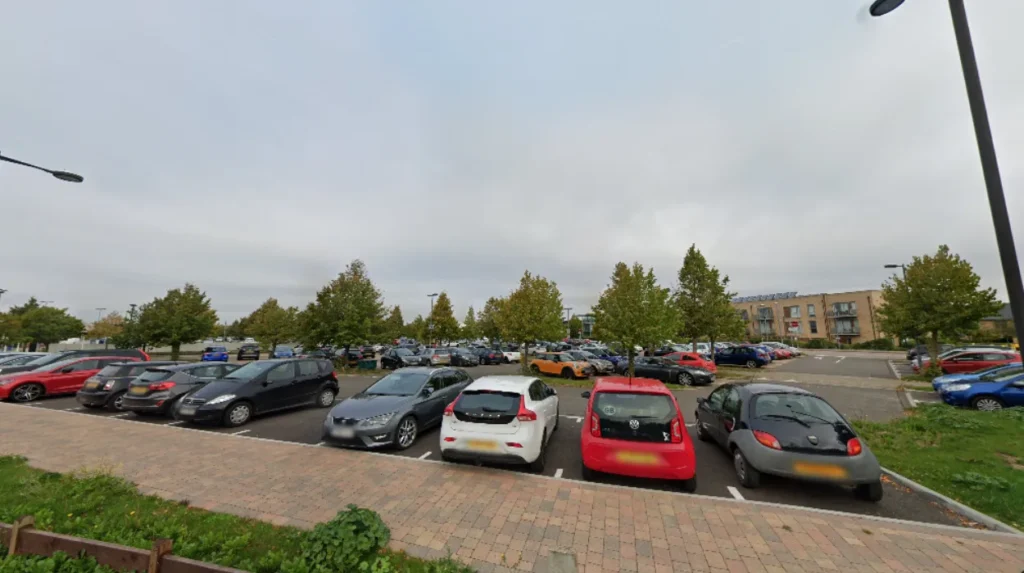
Cambridge residents without driveways can charge electric vehicles using municipal car park chargers, public rapid charging hubs, authorized cross-pavement cable channels, and community charger-sharing platforms.
Public car parks managed by Cambridge City Council feature fast and rapid charging points. Locations including Queen Anne Terrace, Castle Hill, and Adam and Eve Street offer dedicated parking bays equipped with charging units. Users pay for consumed electricity and applicable parking fees.
Park and Ride sites situated around the city perimeter serve as strategic charging hubs. Facilities at Babraham Road and Trumpington supply high-power charging for local commuters and long-distance drivers. These hubs reduce congestion in central residential zones.
Cambridgeshire County Council permits specific cross-pavement charging solutions under strict safety guidelines. Residents must secure official approval before running cables across public footpaths. Unapproved trailing cables create trip hazards and violate local highway regulations.
Community charger-sharing networks connect private driveway owners with nearby residents needing charging access. Homeowners list their private charge points on digital platforms for public booking. This peer-to-peer approach expands local charging options without additional public infrastructure.
Commercial destinations including supermarkets, retail parks, and leisure centers provide supplementary charging services. Retail units in Beehive Centre and Cambridge Leisure Park host fast charging points. Drivers recharge battery levels while completing routine daily errands.
Workplace charging infrastructure offers a practical solution for daily commuters. Employers across Science Park and West Cambridge install charge points for workforce use. On-site charging reduces dependence on overnight residential parking solutions.
What Are the Council Regulations for Running Charging Cables Across Footpaths in Cambridge?
Cambridgeshire County Council prohibits unauthorized cables across public pavements, requiring approved cable channels or permits to prevent hazards and maintain footway safety.
Trailing power cables across public pavements creates trip hazards for pedestrians, mobility scooter users, and visually impaired individuals. Highways legislation holds vehicle owners liable for injuries or damages caused by unapproved cables. Cable mats and temporary covers do not fulfill council highway safety criteria.
The council evaluates flush-fitting cross-pavement cable channels for residential terraced streets. These channels insert directly into pavement surface paving, letting cables run securely from private properties to street-parked vehicles. The system maintains flat walking surfaces for pedestrians.
Installation of pavement cable channels requires formal highway authority approval and qualified contractors. Property owners must submit formal applications detailing electrical safety, property boundaries, and connection points. Unauthorized physical modifications to public footpaths remain illegal under national highway legislation.
Electrical installations supporting street charging must meet strict national wiring regulations and safety standards. External sockets require Ground Fault Circuit Interrupter protection and dedicated circuit breakers. Certified electricians must inspect and sign off on all property connection points.
Street parking spaces situated adjacent to cable channels remain unreserved public highways. Obtaining a cable channel permit does not grant exclusive rights to park directly outside a property. Drivers must share on-street parking spaces with other residents holding valid parking permits.
Enforcement officers inspect residential streets for unsafe electrical cables running over public footways. Non-compliant setups face immediate removal notices and legal liability claims. Adhering to council procedures protects public safety and maintains lawful highway access.
Where Are the Main Public Electric Vehicle Charging Hubs Located in Cambridge?
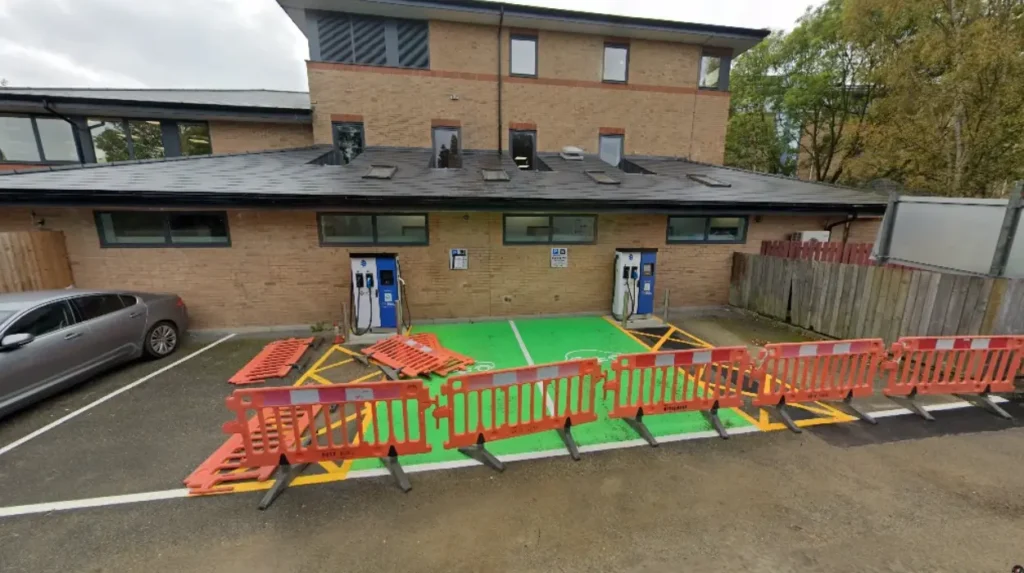
Main public EV charging hubs operate at Queen Anne Terrace, Castle Hill car park, Babraham Road Park & Ride, and Trumpington Park & Ride.
Queen Anne Terrace car park serves as a primary multi-tier charging facility within central Cambridge. It features over forty dedicated charging bays managed by commercial network operators. The central location offers convenience for residents living in nearby terraced streets.
Castle Hill car park provides extensive charging access for residents in the northern city zone. Equipped with fast charging sockets, this site supports overnight and long-duration charging sessions. Regular parking tariffs apply during charging operating hours.
Babraham Road Park & Ride operates ultra-rapid charging infrastructure near major transport routes. High-power chargers at this hub deliver substantial battery charge within thirty minutes. It caters to high-mileage drivers needing fast power top-ups.
Trumpington Park & Ride hosts multiple rapid charge points near southern residential developments. This site connects directly to key transit routes, making it suitable for commuters returning home. The location supports rapid battery replenishment throughout the day.
Adam and Eve Street car park provides fast charging options close to eastern residential districts. Its proximity to dense terraced housing makes it a practical option for drivers without driveways. Multiple charging ports ensure steady availability for nearby vehicle owners.
Gwydir Street car park offers localized charging infrastructure for residents in the Petersfield area. Its central placement within a residential district reduces travel distances for local EV owners. The facility operates alongside surrounding residential parking permit schemes.
How Do On-Street Resident Parking Permits Work with Electric Vehicle Charging?
On-street resident parking permits grant parking access within designated zones but do not guarantee dedicated charging bays or reserved space directly outside homes.
Resident parking permits allow vehicle owners to park within specific geographical permit zones across Cambridge. Holding a valid permit does not reserve a specific street space outside a home. EV owners must locate available spaces within their designated permit zone each day.
Public charging bays located on residential streets operate under specific usage regulations. Vehicles parked in designated charging bays must connect actively to the charger. Standard parking enforcement applies to prevent non-electric vehicles from blocking charging locations.
Time restrictions apply to many on-street and public car park charging bays. Maximum stay limits prevent single vehicles from occupying chargers after completing battery top-ups. Overstay penalties encourage higher vehicle turnover and ensure fair access for all residents.
Permit fees for residential parking often vary based on vehicle emissions standards. Electric vehicles qualify for lower annual permit rates under local authority green transport incentives. Lower operational fees reduce overall ownership costs for zero-emission vehicle drivers.
Cambridgeshire County Council balances charging installation locations with general parking demand. On-street charger installations must preserve general parking availability for all residents. Balancing street usage prevents congestion and maintains open kerbside access across neighborhoods.
Future street charging schemes aim to convert standard street lighting columns into slow charging points. Light-post chargers allow residents to park and charge overnight directly on public streets. Integrated lighting solutions minimize street clutter while delivering accessible neighborhood power.
Can I run a charging cable from my house across the pavement in Cambridge?
No, running unsecured cables across public pavements is prohibited by Cambridgeshire County Council because it creates trip hazards. Vehicle owners are liable for accidents caused by trailing cables, even when using rubber mat covers. Approved cross-pavement channels or official council permits are required for on-street charging.
How much does it cost to charge an electric car at public hubs in Cambridge?
Public charging costs depend on the operator, charging speed, and location. Fast chargers in municipal car parks generally cost less per kilowatt-hour than ultra-rapid chargers located at Park & Ride sites. Standard car park parking fees may also apply during your charging session.
Does a Cambridge resident parking permit guarantee me a spot near a charger?
No, a resident parking permit allows you to park within your assigned zone but does not reserve a specific parking space. Public on-street charging bays are available on a first-come, first-served basis to all EV drivers. Vehicles using these bays must be actively charging to avoid enforcement fines.
How can flat tenants in Cambridge get EV chargers installed?
Tenants living in flats must request installation through their property landlord, freeholder, or management company. Government grants, such as the EV Chargepoint Grant, help flat owners and tenants cover installation costs. Shared off-street parking areas require formal property permission before installing electrical hardware.
What is charger sharing and how does it work for drivers without driveways?
Charger sharing allows homeowners with private driveways and chargers to rent them out to nearby neighbors. Through apps like Co-Charger or JustCharge, drivers without driveways can reserve reliable overnight charging nearby. This community approach offers affordable charging without needing access to dedicated private off-street parking.