Moving to Cambridge from London reduces overall housing expenses by approximately twenty to thirty percent while maintaining comparable daily retail costs. Residents save thousands of pounds annually on rent and mortgage payments, though local council tax and dining prices remain elevated.
- What are the best residential neighborhoods in Cambridge for former Londoners?
- What housing types dominate the Cambridge property market?
- How competitive is the Cambridge rental and buying market?
- How reliable is the commute from Cambridge to London?
- How does the local transport system work inside Cambridge?
- What career opportunities exist in Cambridge compared to London?
- How do lifestyle, culture, and green spaces differ between the two cities?
- What steps ensure a smooth adaptation when relocating from London to Cambridge?
Cambridge is a historic university city located in Cambridgeshire, England, situated roughly fifty-five miles north of Central London. The Office for National Statistics reports that average property prices in Cambridge stand near five hundred thousand pounds, whereas Inner London averages exceed seven hundred thousand pounds.
Rental rates for a one-bedroom apartment in central Cambridge average one thousand four hundred pounds monthly, compared to two thousand two hundred pounds in London Zones 1 and 2.
Daily expenditure on groceries, utilities, and restaurant dining mirrors London pricing structures due to high local demand from academic and technology sectors. Major supermarkets including Sainsbury’s, Tesco, and Waitrose operate standardized national pricing tiers across both cities.
Local dining establishments in areas such as Mill Road and Regent Street charge between fifteen and twenty-five pounds for a standard main course, matching average London bistro rates.
Transport expenses drop significantly once residents relocate from the capital to Cambridgeshire. London commuters spend over two thousand five hundred pounds annually on Transport for London Zone 1 to 6 travelcards.
In contrast, Cambridge residents rely primarily on cycling or local Stagecoach bus services, where an annual megRider pass costs under seven hundred pounds.
Council tax bands in Cambridge City Council follow national valuation guidelines established by the Valuation Office Agency in 1991. A Band D property in Cambridge incurs an annual charge of approximately two thousand one hundred pounds.
This rate sits higher than several central London boroughs such as Westminster and Wandsworth, which maintain lower municipal precepts due to high commercial business rate revenues.
What are the best residential neighborhoods in Cambridge for former Londoners?
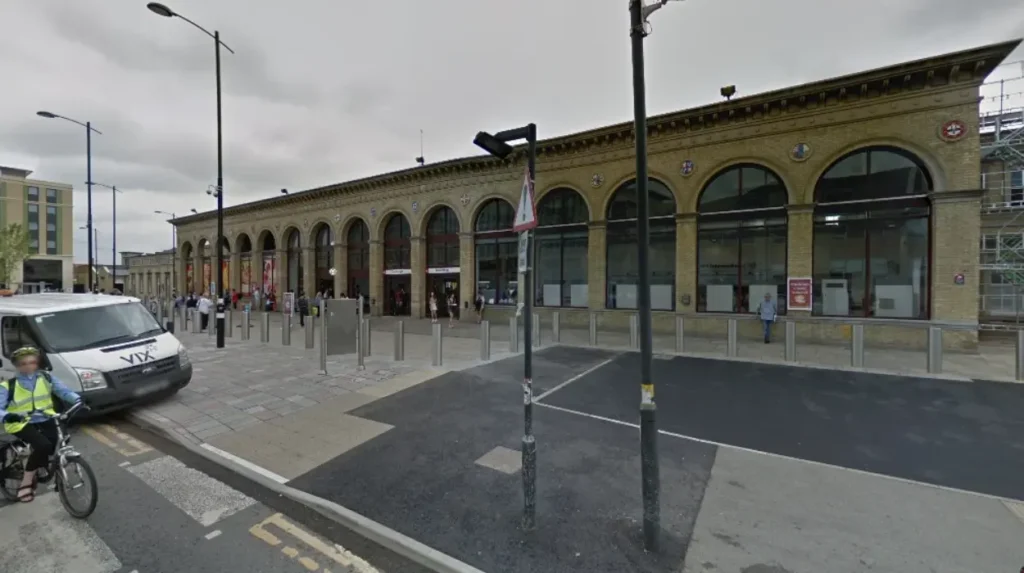
The premier residential neighborhoods in Cambridge for former Londoners include Petersfield, Newnham, Romsey, and Chesterton. These districts offer Victorian terraced housing, immediate access to green spaces, independent cafes, and rapid cycling connections to Cambridge railway station and the historic city center.
Petersfield sits directly between the historic center and Cambridge railway station, making it the primary choice for hybrid commuters. The area features nineteenth-century Victorian terraced homes, quiet residential streets, and immediate proximity to Parker’s Piece and Petersfield Green.
Mill Road forms the eastern boundary of Petersfield and provides an extensive selection of independent grocers, bakeries, and international restaurants.
Newnham lies west of the River Cam and borders the historic college backs and Grantchester Meadows. This affluent neighborhood contains large Edwardian detached houses, family residences, and riverside walking paths. Residents in Newnham enjoy a village atmosphere while remaining within a ten-minute walk of King’s Parade and the central market square.
Romsey is located south of Mill Road and attracts young professionals and families seeking Victorian period properties at lower price points than Petersfield. The neighborhood maintains a strong community identity with local pubs, artisan coffee shops, and independent hardware stores. Romsey provides straightforward access to the Cambridge Biomedical Campus via dedicated cycle lanes along Hills Road.
Chesterton sits north of the River Cam and offers direct access to Cambridge North railway station and the Cambridge Science Park. The district blends historic riverside cottages with modern apartment developments along the water. Property buyers find greater square footage per pound in Chesterton compared to southern postcodes near the main station.
What housing types dominate the Cambridge property market?
Cambridge housing stock consists primarily of nineteenth-century Victorian and Edwardian brick terraces, post-war semi-detached family homes, and modern high-density apartments.
Period properties near the city center feature traditional Cambridge gault brick, which exhibits a distinctive pale yellow or cream coloration due to local clay deposits. Modern developments cluster around the CB1 station quarter, Eddington in the northwest, and Trumpington in the south.
How competitive is the Cambridge rental and buying market?
The Cambridge property market operates with high velocity due to continuous demand from University of Cambridge faculty, AstraZeneca researchers, and Silicon Fen technology employees.
Rental properties frequently receive multiple applications within forty-eight hours of listing on portals such as Rightmove and Zoopla. Prospective tenants must prepare proof of employment, previous landlord references, and holding deposits prior to attending property viewings.
How reliable is the commute from Cambridge to London?
The rail commute from Cambridge to London takes between forty-eight and sixty-five minutes via Great Northern and Greater Anglia services. Trains depart every fifteen minutes during peak hours, arriving directly at London King’s Cross, London Liverpool Street, and St Pancras International.
Great Northern operates non-stop express trains from Cambridge railway station to London King’s Cross in forty-eight minutes. These services utilize Class 387 and Class 700 electric multiple units equipped with power sockets and Wi-Fi connectivity. Commuters holding Thameslink tickets can travel seamlessly through St Pancras International to Farringdon, City Thameslink, and London Blackfriars without changing trains.
Greater Anglia provides alternative rail connections from both Cambridge and Cambridge North stations into London Liverpool Street.
This route follows the West Anglia Main Line through Bishops Stortford and Tottenham Hale, requiring approximately sixty-five minutes for the full journey. Commuters working in Canary Wharf transfer efficiently onto the London Underground Jubilee line or Elizabeth line at Stratford or Tottenham Hale.
Annual season tickets between Cambridge and London terminals cost approximately five thousand five hundred pounds, while flexible season tickets cater to hybrid workers commuting two or three days weekly. Network Rail maintains continuous infrastructure upgrades along the East Coast Main Line and West Anglia Main Line to improve punctuality.
Data from the Office of Rail and Road indicates that peak-time trains on the Cambridge corridor achieve an eighty-five percent on-time arrival rate within five minutes of scheduled timetables.
Driving between Cambridge and Central London is inefficient due to congestion charges, Ultra Low Emission Zone fees, and limited parking. The M11 motorway connects Cambridge directly to the North Circular Road and M25 orbital motorway in roughly sixty minutes under free-flowing traffic conditions.
However, central London congestion extends total door-to-door driving times beyond two hours during weekday mornings.
How does the local transport system work inside Cambridge?
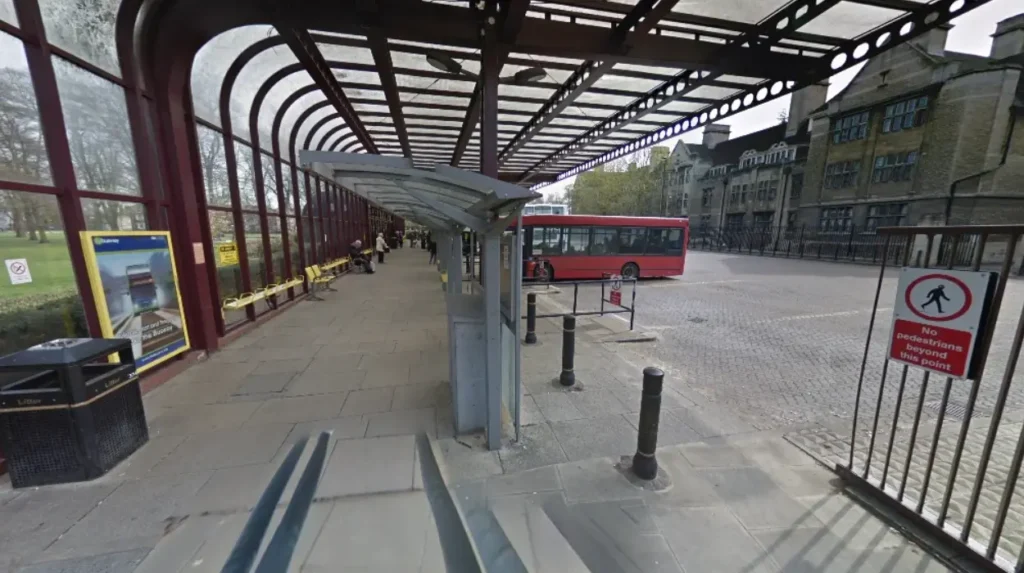
Cambridge operates as the premier cycling city in the United Kingdom, supported by dedicated cycle lanes, Dutch-style roundabouts, and strict city center vehicle restrictions. Over thirty percent of local residents commute by bicycle, supplemented by an extensive Park and Ride bus network.
Cambridge City Council and Cambridgeshire County Council enforce rising bollards and bus gates across the historic core to restrict private car access. Streets such as Sidney Street, Trinity Street, and King’s Parade remain pedestrian and cycle priority zones throughout daylight hours.
This traffic management framework eliminates the gridlock common in London boroughs and creates safe corridors for daily cyclists.
The Cambridgeshire Guided Busway provides rapid transit linking Huntingdon, St Ives, Cambridge Science Park, the city center, and Trumpington. Buses travel on a dedicated concrete track free from general road traffic, maintaining strict adherence to schedules during peak periods.
Five Park and Ride sites surround the city perimeter at Madingley Road, Trumpington, Babraham Road, Newmarket Road, and Milton, offering free parking for up to eighteen hours alongside low-cost bus fares.
Cycling infrastructure includes the Chisholm Trail, a dedicated off-road walking and cycling route connecting Cambridge North and Cambridge railway stations. Fendon Road features the first Dutch-style roundabout in the United Kingdom, which grants absolute right-of-way to cyclists and pedestrians over motor vehicles.
Bicycle theft remains a documented urban issue managed by Cambridgeshire Constabulary, requiring cyclists to utilize Sold Secure Gold standard D-locks and register frames on the BikeRegister database.
What career opportunities exist in Cambridge compared to London?
Cambridge serves as the center of Silicon Fen, hosting over five thousand technology, life sciences, and biotechnology companies alongside the University of Cambridge. Professionals find abundant senior roles in artificial intelligence, pharmaceuticals, software engineering, and academic research without enduring London commute times.
Silicon Fen encompasses major business clusters including the Cambridge Science Park, St John’s Innovation Centre, and the Cambridge Biomedical Campus. Global technology corporations such as Microsoft Research, Apple, Amazon, and Samsung maintain dedicated research and development laboratories within the city limits.
Semiconductor giant Arm Holdings operates its global headquarters in Cambridge, employing thousands of hardware and software engineers.
The life sciences sector anchors the southern fringe of the city at the Cambridge Biomedical Campus, the largest center of medical research and health science in Europe. AstraZeneca operates its global corporate headquarters and the Discovery Centre at this site, alongside Addenbrooke’s Hospital and the Royal Papworth Hospital.
Biotechnology startups frequently spin out from University of Cambridge departments, supported by venture capital firms including Cambridge Innovation Capital.
Salaries in Cambridge technology and pharmaceutical roles reach within ten percent of equivalent London compensation packages. When adjusted for lower housing costs and zero London rail season ticket expenses, disposable income for Cambridge professionals frequently exceeds London counterparts.
Non-STEM sectors such as corporate law, management consulting, and financial services maintain smaller regional footprints in Cambridge, prompting specialists in those fields to retain London-based roles via hybrid working arrangements.
How do lifestyle, culture, and green spaces differ between the two cities?
Cambridge replaces London’s sprawling metropolitan scale with a compact, walkable urban footprint integrated with historic college architecture and riverside meadows. Residents trade mega-venues and late-night transport for classical concerts, independent theaters, punting on the River Cam, and immediate countryside access.
The University of Cambridge comprises thirty-one autonomous colleges established between 1209 and 1977, shaping the architectural and cultural rhythm of the city. Institutions such as King’s College, Trinity College, and St John’s College host world-renowned choral evensong services, public lectures, and classical music recitals.
The Fitzwilliam Museum, Kettle’s Yard, and the Museum of Archaeology and Anthropology provide free public access to fine art and historical collections comparable to smaller London institutions.
Green spaces permeate the urban core rather than existing solely as enclosed municipal parks. Jesus Green, Midsummer Common, and Sheep’s Green allow residents to walk directly alongside grazing cattle within minutes of the commercial shopping district. The River Cam flows through the city center, offering traditional flat-bottomed punting routes upstream toward the village of Grantchester and downstream toward Fen Ditton.
Evening entertainment centers around traditional coaching inns, independent cinemas, and performing arts venues rather than large nightclubs. The Cambridge Arts Theatre hosts touring West End productions, while the Cambridge Corn Exchange books national comedy tours and contemporary music acts. The Arts Picturehouse screens independent and international cinema, providing a curated alternative to multiplex chains.
How does healthcare and education compare for relocating families?
Addenbrooke’s Hospital functions as a major teaching hospital and regional trauma center managed by Cambridge University Hospitals NHS Foundation Trust. General practitioner surgeries operate across all residential postcodes, though registration wait times reach two to three weeks during the October university intake.
State primary and secondary schools in Cambridge achieve strong Ofsted ratings, complemented by renowned independent schools including The Perse School, Stephen Perse Foundation, and The Leys School.
What steps ensure a smooth adaptation when relocating from London to Cambridge?
Adapting smoothly from London to Cambridge requires purchasing a reliable commuter bicycle, securing housing at least six weeks early, and recalibrating daily pace expectations. Newcomers succeed by joining local community groups, registering with neighborhood GP practices immediately, and embracing walkable micro-commutes.
Securing accommodation requires proactive preparation before finalizing a moving date from London. Prospective renters and buyers must schedule consolidated viewing days in Cambridge during mid-week slots to compete effectively against local applicants. Engaging removal companies familiar with narrow Victorian streets and Cambridge City Council parking suspension permits prevents logistical delays on moving day.
Acquiring a commuter bicycle equipped with mudguards, front and rear LED lights, and pannier racks transforms daily mobility immediately upon arrival. New residents should practice navigating local cycle lanes and Dutch-style roundabouts during quiet weekend mornings before attempting weekday rush hour routes. Registering with a local National Health Service general practitioner and dental practice during the first week ensures uninterrupted healthcare access.
Adjusting to the smaller urban scale involves accepting earlier retail closing hours and quieter Sunday mornings compared to Central London. Independent shops along Mill Road and Magdalene Street typically close by six in the evening, while major supermarkets maintain standard extended hours. Participating in local running clubs, rowing clubs on the River Cam, or community events at the Junction arts center accelerates social integration outside academic circles.
Is it cheaper to live in Cambridge than London?
Yes, living in Cambridge is approximately twenty to thirty percent cheaper overall than living in London, driven primarily by lower rent and property purchase prices. While grocery, utility, and restaurant prices mirror London rates, eliminating a two-thousand-five-hundred-pound annual London travelcard saves substantial disposable income.
Is Cambridge boring compared to London?
Cambridge offers a quieter, slower lifestyle than London, which appeals to people seeking green spaces and walkability rather than late-night clubbing. The city features rich cultural offerings including West End touring theatre at the Arts Theatre, free university museums, live music at the Corn Exchange, and vibrant independent dining along Mill Road.
Can you live in Cambridge without a car?
Yes, living in Cambridge without a car is completely practical and preferred by over thirty percent of residents who commute daily by bicycle. The historic city center restricts private motor vehicles, while local Stagecoach buses, the Guided Busway, and fast trains to London cover regional and national travel needs.
How hard is it to make friends in Cambridge if you are not a student?
Making friends in Cambridge outside the university requires intentional participation in community activities, as academic colleges operate independently from town life. Newcomers build social networks quickly by joining local sports clubs, rowing clubs on the River Cam, running groups, or neighborhood volunteering initiatives in areas like Romsey and Chesterton.
Which London station is fastest from Cambridge?
London King’s Cross is the fastest London terminal from Cambridge, with non-stop Great Northern express trains completing the journey in forty-eight minutes. Trains depart every fifteen to thirty minutes throughout the day, offering direct onward connections to the London Underground Victoria, Piccadilly, Northern, and Circle lines.