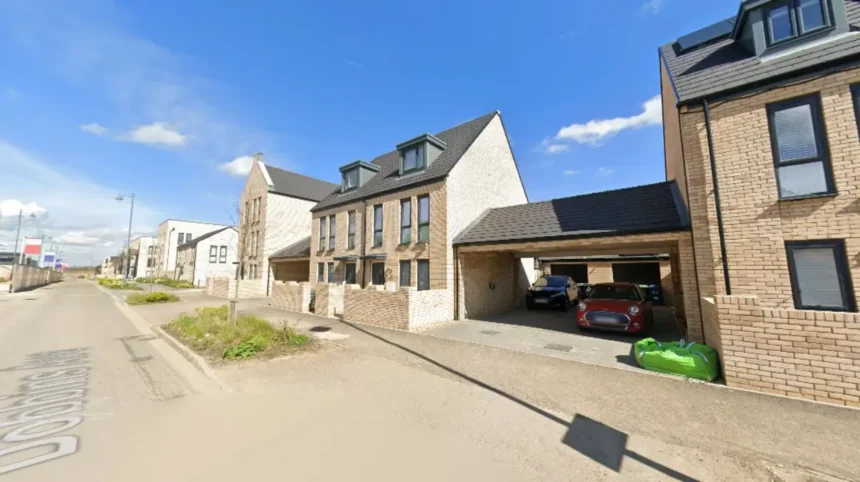
Independent estate agents in Cambridge are privately owned property firms operating within localized housing markets across Cambridgeshire.
- What Defines an Independent Estate Agent in Cambridge Property Markets?
- Why Should You Choose Independent Property Firms Over Corporate Chains?
- How Do Independent Estate Agents Determine Cambridge Property Values?
- How Do Estate Agency Fees Compare Across Cambridgeshire Suburbs?
- Which Regulatory Standards Protect Sellers Using Independent Agents?
- How Can You Verify the Performance Record of Local Cambridge Agents?
- What is the average commission fee for independent estate agents in Cambridge?
- How do independent agents differ from online estate agencies?
- Are independent estate agents in Cambridge legally regulated?
- Can independent estate agents list properties on major portals like Rightmove?
- How long does it take an independent agent to sell a home in Cambridge?
These agencies operate without corporate corporate oversight, offering bespoke property sales, lettings, and management services across residential zones such as Chesterton, Trumpington, Newnham, and Cherry Hinton.
Understanding the operational framework of independent property firms requires examining local market dynamics. The Cambridge property market functions under distinct economic pressures driven by the University of Cambridge, Addenbrooke’s Hospital, and Silicon Fen technology parks. These economic drivers maintain a high average house price of £470,000 as of August 2026.
Private agencies maintain small, specialized teams that handle transaction pipelines directly. Corporate franchise chains often rely on regional centralized hubs, whereas independent firms keep valuation, marketing, and conveyancing progression within single local offices. This structural setup enables direct communication between property owners and senior directors.
Independent agency operations depend on specific geographic focus. A single firm may restrict operations to particular micro-markets, such as Victorian terraces in De Freville Avenue or modern apartments near the CB1 station development. Specialized market positioning allows these agencies to maintain accurate pricing models based on hyper-local buyer demand.
Statutory compliance governs all independent property businesses in the United Kingdom. Independent estate agents must maintain membership with approved redress schemes, register for Anti-Money Laundering oversight, and protect tenant deposits within government-backed funds.
What Defines an Independent Estate Agent in Cambridge Property Markets?
An independent estate agent in Cambridge is an autonomous property business managed by local owners rather than a national corporate entity.
These agencies deliver tailored residential sales and lettings services using hyper-local expertise across specific Cambridge postcodes from CB1 through CB5.
Historical development of independent property practices in Cambridgeshire reflects changes in regional land use and urban expansion. Traditional land agents expanded operations during the twentieth century as suburban residential developments grew around historic university infrastructure.
Key components of an independent estate agency include property valuation, strategic marketing, buyer qualification, viewing management, and sales progression. Each component functions through dedicated staff rather than automated call centers or third-party contractors.
The sales progression mechanism within an independent firm involves direct liaison between estate agents, conveyancing solicitors, mortgage brokers, and surveyors. Independent agents monitor chains continuously to prevent sales collapse and address title deed inquiries or structural report issues promptly.
Real-world examples include family-owned firms managing historic conservation properties in the historic city center or modern agencies handling high-density apartment blocks along Hills Road. These firms adapt marketing tactics to specific buyer profiles, such as academic staff, medical professionals, or institutional investors.
Data from property transactions confirms that local market knowledge reduces listing times. Properties priced accurately by localized independent agents secure binding contracts faster than those listed with generic national algorithms.
Implications of choosing an independent agency involve direct access to company directors and negotiable fee structures. Owners maintain final authority over marketing budgets, fee agreements, and transaction strategies without corporate constraints.
Examples of independent agency service structures include sole agency packages, multi-agency marketing plans, and full lettings management agreements.
Why Should You Choose Independent Property Firms Over Corporate Chains?
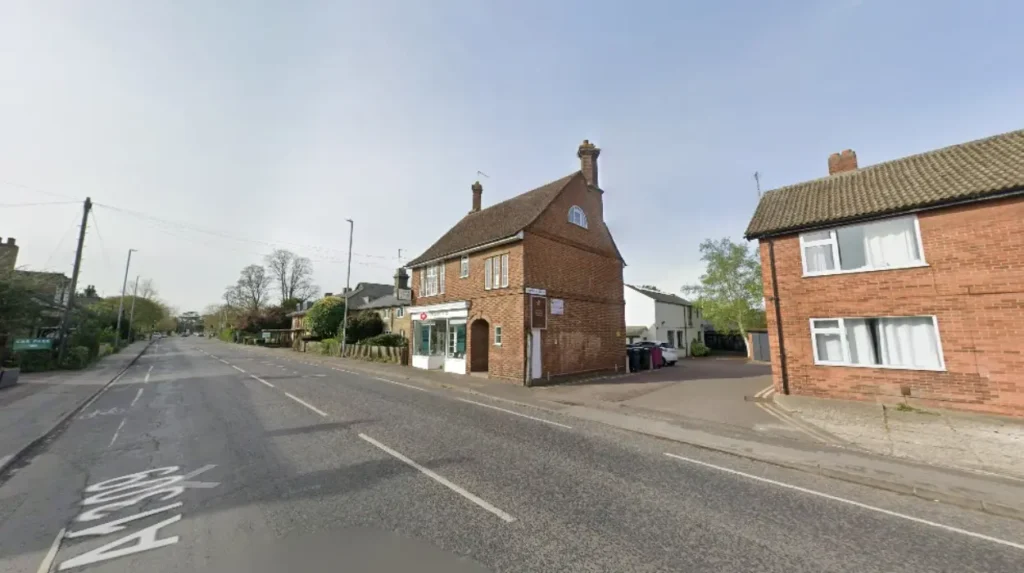
Selecting an independent property firm provides higher staff accountability, direct access to business owners, flexible fee arrangements, and hyper-local market pricing strategies.
Independent agencies prioritize localized client relationships over volume-based corporate quotas, securing better sales outcomes across competitive Cambridge residential sectors.
Historical comparisons reveal that corporate agency chains expanded across the United Kingdom during the late twentieth century by acquiring established local firms. However, independent agencies retained market share by maintaining consistent local leadership and specialized regional knowledge.
Key structural differences lie in corporate operational frameworks. Corporate chains use centralized administration centers for sales progression and customer management, while independent agencies retain all operations inside the local branch.
The operational mechanism of an independent agency relies on lower client-to-agent ratios. Agents handle fewer properties simultaneously, dedicating more time to viewing arrangements, follow-up calls, and chain management.
Real-world applications appear during complex negotiations involving listed buildings or leasehold properties with short terms. Independent agents leverage deep familiarity with local planning regulations and conservation area guidelines to resolve buyer concerns effectively.
Research shows that staff turnover rates remain lower in independent property agencies than in corporate corporate networks. Client continuity improves transaction success rates because primary points of contact remain unchanged from valuation to legal completion.
Long-term market implications highlight the stability of independent estate agencies in regional economies. High street presence combined with digital marketing strategies allows localized agencies to adapt quickly to changing economic conditions.
Examples of advantages offered by independent agencies include personalized video tours, flexible contract durations, and direct phone access to senior negotiators.
How Do Independent Estate Agents Determine Cambridge Property Values?
Independent estate agents calculate Cambridge property values by analyzing recent Land Registry sales data, active market competition, structural condition, and micro-location factors.
Agents combine quantitative square-meter pricing with qualitative assessments of school catchments, conservation boundaries, and transport links.
Valuation methodology evolved from simple broad area estimates to data-driven comparative market analysis. Historical price tracking reveals that Cambridge property values have outperformed national averages due to persistent housing supply shortages and steady employment growth.
Key components of property valuation include internal square area, Energy Performance Certificate ratings, structural layout, plot size, and parking availability. External elements include proximity to Cambridge Railway Station, Science Parks, and top-rated schools.
The valuation process begins with a physical property inspection to assess condition, extensions, and architectural features. The agent cross-references these findings with Land Registry data from sold properties in the immediate street or neighborhood within six months.
Real-world examples show valuation adjustments for specific streets. A Victorian mid-terrace home on Romsey Town street commands different pricing than an identical home on Mill Road due to traffic noise levels and parking permits.
Data analysis indicates that average flat prices fell by 4.3% in August 2026, while semi-detached homes maintained price stability around £597,000. Independent agents adjust pricing models immediately using these local statistical trends.
Accurate initial pricing prevents property listings from becoming stagnant on portals like Rightmove and Zoopla. Overpriced properties often undergo subsequent price reductions, which can lower final achieved prices below market value.
Examples of valuation factors evaluated by independent agents include loft conversions with building regulations approval, south-facing gardens, and private off-street parking slots.
How Do Estate Agency Fees Compare Across Cambridgeshire Suburbs?
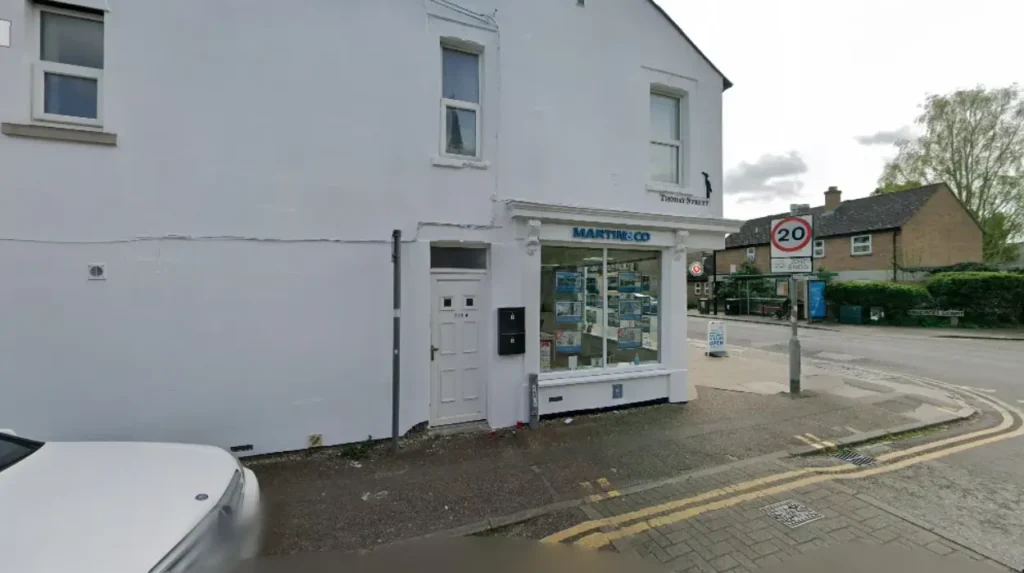
Estate agency fees in Cambridgeshire suburbs range from 0.75% to 2.0% plus VAT for sole agency agreements depending on location and price.
Independent agents offer flexible commission structures tailored to property values across areas like Histon, Trumpington, Great Shelford, and Fulbourn.
Fee structures in the United Kingdom changed following the passage of the Consumer Rights Act 2015, which required clear disclosure of VAT in all consumer fee quotes. Estate agency commission rates adjusted accordingly across suburban markets.
Key components of an agency agreement include commission percentages, exclusivity periods, withdrawal fees, and marketing expense terms. Commission models include fixed fees, percentage-based fees, and performance-tiered structures.
The mechanism of fee calculation involves multiplying final agreed sales prices by contracted percentages plus standard VAT. Sole agency contracts standardly enforce exclusivity periods between 8 and 16 weeks.
Real-world examples demonstrate fee variances based on property values. A £955,000 detached home in Trumpington negotiated at a 1.0% fee generates £9,550 plus VAT, while a £296,000 flat in Waterbeach listed at 1.5% yields £4,440 plus VAT.
Market data shows that traditional high street independent agents usually charge higher percentages than online fixed-fee services, but they achieve higher percentage-of-asking-price returns through active negotiation.
Choosing a transparent fee structure prevents un-forecasted transaction costs at legal completion. Clear agreements align agent incentives with achieving maximum property sale value.
Examples of fee models used by independent firms include performance-tiered commissions, flat-fee sales packages, and no-sale no-fee terms.
Which Regulatory Standards Protect Sellers Using Independent Agents?
Independent estate agents must comply with the Estate Agents Act 1979, the Consumer Protection Regulations 2008, and register with approved redress schemes.
Sellers receive protection through mandatory Anti-Money Laundering verification, client money protection schemes, and professional standards enforcement.
The statutory regulation of estate agency operations expanded significantly following the Property Misdescriptions Act repeal in 2013. Consumer protection rules shifted to the Consumer Protection from Unfair Trading Regulations 2008 to enforce accurate disclosures.
Key regulatory pillars include registration with The Property Ombudsman or Property Redress Scheme, compliance with Trading Standards guidelines, and adherence to the Money Laundering Regulations 2017.
The regulatory enforcement mechanism operates through statutory inspections, consumer dispute resolutions, and financial penalties issued by National Trading Standards Estate and Letting Agency Team. Redress schemes hold legal authority to award financial compensation up to £25,000.
Real-world regulatory applications require agents to disclose material information promptly. If a property in Girton has historic flooding issues or planned nearby road developments, agents must disclose these facts to prospective buyers in marketing details.
Industry data confirms that fully compliant independent agencies experience fewer aborted sales transactions. Proper upfront legal disclosures minimize buyers withdrawing during conveyancing due to unexpected search results.
Enforcing strict regulatory standards protects client funds held in dedicated accounts during rental transactions or sales deposits. Regulatory oversight ensures financial transparency across all property transactions.
Examples of regulatory protections include tenant deposit protection under government-backed schemes, mandatory Professional Indemnity Insurance, and client identity verification procedures.
How Can You Verify the Performance Record of Local Cambridge Agents?
Verifying the performance record of local Cambridge agents involves auditing recent Land Registry sales completions, checking independent review platforms, and reviewing portal performance.
Sellers must analyze actual list-to-sale price ratios, average marketing times, and withdrawal rates across specific Cambridge postcodes.
Performance verification methods evolved from simple word-of-mouth recommendations into data-driven digital audits. Historical sales tracking allows sellers to verify an agency’s historic transaction volume across individual Cambridge districts.
Key metrics for performance verification include average days on market, percentage of asking price achieved, listing-to-sale ratios, and client retention rates. Public review portals provide extra feedback regarding customer communication and service quality.
The verification process requires cross-referencing agent claims against independent data platforms. Sellers inspect active portal listings to calculate how long properties remain listed before changing to Sold Subject to Contract status.
Real-world examples involve analyzing agency listings in Chesterton. An agent claiming top sales status must show multiple completed transactions on Land Registry databases within the preceding twelve-month period for that specific neighborhood.
Statistical audits demonstrate that top-performing independent agencies maintain sales-agreed timelines under 45 days. Average agencies across the East of England often take over 65 days to secure buyers under similar conditions.
Thorough performance verification protects sellers from over-valuing agencies that use inflated price projections to win instruction contracts. Verified performance metrics confirm actual execution capability.
Examples of performance verification tools include Land Registry sold price search engines, impartial consumer rating sites, and public property portal search tools.
What is the average commission fee for independent estate agents in Cambridge?
Independent estate agents in Cambridge usually charge between 0.75% and 1.5% plus VAT for sole agency agreements. Commission rates vary depending on total property value, marketing packages, and location.
How do independent agents differ from online estate agencies?
Independent agents provide full high-street services, including in-person property valuations, accompanied viewings, and dedicated local sales progression. Online agencies charge lower fixed fees but require sellers to manage viewings and paperwork independently.
Are independent estate agents in Cambridge legally regulated?
Yes, independent agents must register with an approved government redress scheme such as The Property Ombudsman or Property Redress Scheme. They must also comply with Anti-Money Laundering legislation and Consumer Protection Regulations.
Can independent estate agents list properties on major portals like Rightmove?
Yes, independent estate agents maintain active subscriptions to major UK property portals, including Rightmove, Zoopla, and OnTheMarket. Listings receive full digital exposure alongside national corporate chains.
How long does it take an independent agent to sell a home in Cambridge?
The average time to secure an offer through an independent agent in Cambridge ranges between 30 and 50 days, depending on pricing accuracy and property type. Full legal completion typically requires an additional 12 to 16 weeks.