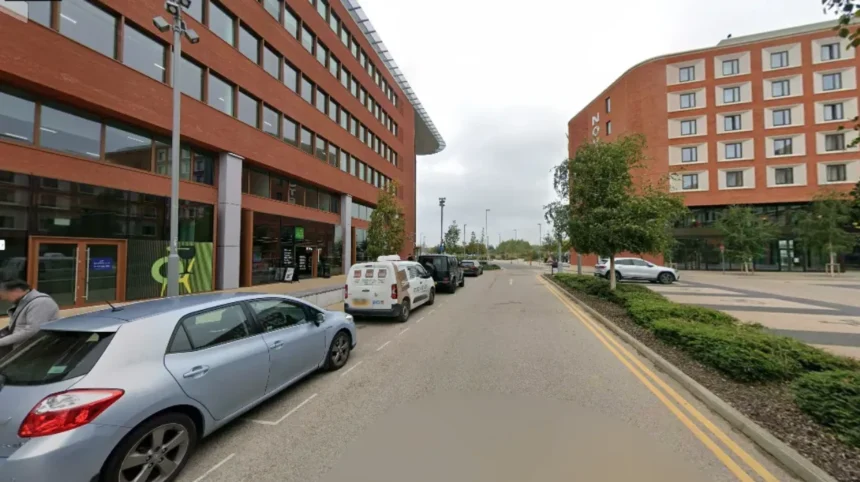
Relocating from London to Cambridge offers individuals a balanced lifestyle that combines world-class employment opportunities, rich historic culture, faster commute times, and higher overall life satisfaction within a compact, highly walkable, and picturesque university city setting.
- How Does the Cost of Living Compare Between London and Cambridge?
- What Are the Transport Links and Commute Options to London?
- What Are the Best Neighborhoods in Cambridge for Ex-Londoners?
- How Does the Cambridge Job Market Compare to London?
- What Is the School and Education System Like in Cambridge?
- How Do Healthcare Services and Amenities Work in Cambridge?
- How to Adapt to the Local Lifestyle and Cycling Culture?
- How easy is it to live in Cambridge without owning a car?
- Is commuting daily from Cambridge to London realistically manageable?
- How hard is it to secure school places when moving to Cambridge mid-year?
- What is the biggest culture shock when moving from London to Cambridge?
- Is Cambridge property really significantly cheaper than London property?
The migration corridor between London and Cambridge has grown steadily over the last decade. Many professionals and families seek relief from London high housing costs and crowded urban transport systems. Cambridge provides a unique mix of global technology employers, historic architecture, and expansive green spaces like Jesus Green and Parker Piece.
Data from the Office for National Statistics demonstrates that Cambridge consistently ranks high for employment rates and median household earnings outside London. The city combines academic prestige with modern infrastructure. High-speed rail connections allow residents to maintain ties to London while benefiting from lower local crime rates and better air quality.
Relocating allows residents to enjoy a slower pace of life without sacrificing career progression. The Silicon Fen innovation cluster hosts major biotechnology and software headquarters, creating robust local job markets. The transition offers improved work-life balance, proximity to countryside trails, and strong community engagement across diverse neighborhoods.
How Does the Cost of Living Compare Between London and Cambridge?
Living in Cambridge is generally less expensive than central London regarding housing rental rates and everyday transportation, although local property purchase prices and dining costs remain among the highest across the United Kingdom.
Housing costs represent the primary financial difference when comparing both locations. Rental properties in Cambridge average twenty to thirty percent lower than inner London boroughs. Buying a residential home in Cambridge remains significant, with median property prices exceeding nine times average annual earnings in the area.
Everyday transport expenses are significantly reduced due to the compact layout of Cambridge. Most residents avoid daily underground fare charges by cycling or walking to work. Council tax rates vary by property band but align with national averages, while utility expenses remain consistent across both East of England locations.
Grocery costs, child care expenses, and leisure activities in Cambridge reflect its affluent economic profile. While consumer prices match outer London suburbs, the reduced need for public transport passes generates net monthly savings. Budget planning should account for premium local school catchments and central parking charges.
What Are the Transport Links and Commute Options to London?
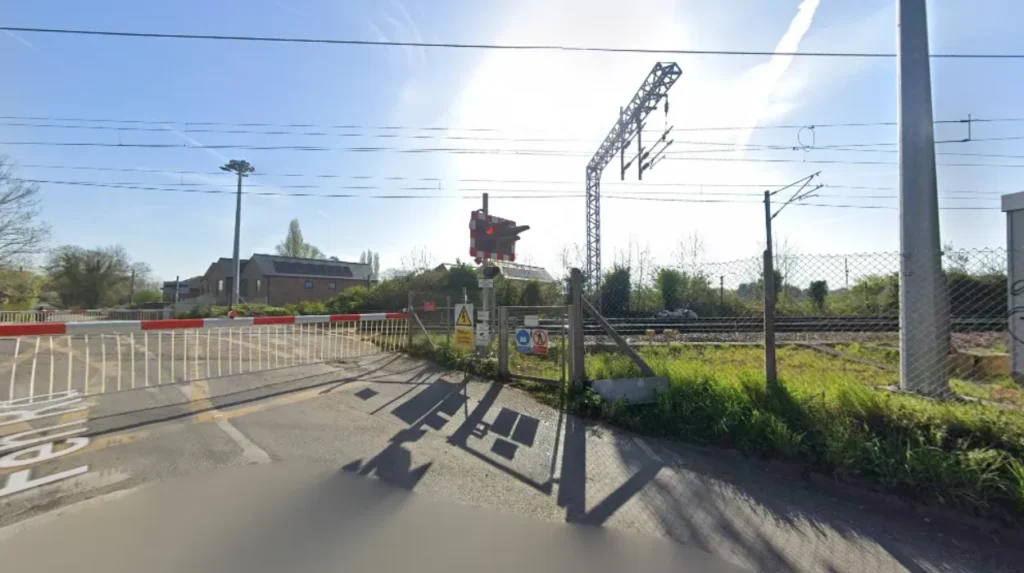
Train services run directly from Cambridge and Cambridge North stations to London King Cross and London Liverpool Street, providing fast daily travel times ranging from forty-eight to seventy minutes for regular regional commuters.
The main railway infrastructure offers frequent direct services operated by Great Northern and Greater Anglia rail companies. Express trains reach central London in under fifty minutes during peak hours. Regular commuters purchase weekly or annual season tickets to optimize daily travel expenses between both cities.
Automobile routes include the M11 motorway, which connects Cambridge directly to the Stansted Airport region and the North Circular road in London. Motorists experience congestion during peak hours near junction fourteen. The A14 trunk road provides further road connectivity west toward Huntingdon and the Midlands network.
Public bus services and extensive cycle networks serve internal Cambridge travel needs comprehensively. The Cambridgeshire Guided Busway offers fast suburban connections between St Ives, Trumpington, and the city center. Long-distance coaches operate from Drummer Street bus station to major airports and UK urban centers.
What Are the Best Neighborhoods in Cambridge for Ex-Londoners?
Popular residential areas include Chesterton for riverside access, De Freville Avenue for Victorian architecture, Trumpington for modern eco-homes, and Mill Road for vibrant independent shops, diverse dining, and community culture.
De Freville Avenue and Newtown appeal to buyers seeking traditional period properties close to central amenities. These historic streets feature broad residential lanes, original Victorian features, and immediate access to the River Cam. Families value these areas for proximity to top-performing state and private schools.
Trumpington and Eddington represent modern sustainable developments located in southern and western districts. These master-planned communities offer energy-efficient housing, new primary schools, public parks, and integrated public transit routes. They attract professionals working at the nearby Cambridge Biomedical Campus and Addenbrooke Hospital.
Mill Road and Romsey provide an eclectic urban atmosphere similar to East London neighborhoods. The area features independent bakeries, international supermarkets, local art venues, and Victorian terrace houses. It remains popular among young professionals, creative workers, and university academic staff members.
How Does the Cambridge Job Market Compare to London?

Cambridge features a highly specialized job market dominated by biotechnology, pharmaceuticals, software engineering, artificial intelligence, research institutes, and higher education institutions, earning the region its famous Silicon Fen title.
The local economy benefits from dense industry clusters surrounding the University of Cambridge research departments. Global companies like Arm, AstraZeneca, and Microsoft Maintain major research laboratories in the area. This commercial concentration generates consistent demand for skilled technical, scientific, and management talent.
Salaries in Cambridge biotechnology and software sectors compete strongly with London market rates. While finance and corporate law opportunities remain smaller than in the City of London, scientific research funding creates high job security. Emerging startups frequently launch from local business incubators like Cambridge Science Park.
Professional networking occurs through focused industry meetups, university spin-off events, and regional commerce chambers. Job seekers transition easily between research institutions and private commercial ventures. The local labor market exhibits strong resilience during national economic downturns due to continuous global venture funding.
What Is the School and Education System Like in Cambridge?
Cambridge offers exceptional educational standards across state primaries, comprehensive secondary academies, independent private schools, and further education colleges, consistently scoring well above national average academic performance metrics.
State primary education includes highly regarded institutions such as Parkside, Chesterton, and St Alban Catholic schools. Secondary education features strong academy trusts, including Chesterton Community College and Hills Road Sixth Form College. High demand for top school catchments directly influences regional residential property valuations.
Independent schooling presents broad choices including The Perse School, Stephen Perse Foundation, and St Mary School. These private institutions offer extensive extracurricular programs, advanced laboratory facilities, and high progression rates to Russell Group universities. Early application remains essential for competitive entry years.
Further education colleges provide vocational training, adult learning courses, and technical apprenticeships across modern campuses. The presence of two major universities creates a unique educational culture throughout the city. Public libraries, science festivals, and university museums complement formal classroom education for children.
How Do Healthcare Services and Amenities Work in Cambridge?
Healthcare infrastructure centers around the world-renowned Cambridge Biomedical Campus, featuring Addenbrooke Hospital, Royal Papworth Hospital, specialized medical research facilities, and widespread local general practitioner practices.
Addenbrooke Hospital provides major trauma care, specialist surgical units, and emergency services for the entire East of England region. Royal Papworth Hospital delivers world-class cardiothoracic treatments on the same biomedical campus. Patients access advanced medical technologies and clinical trials directly through local NHS trusts.
National Health Service general practitioner surgeries operate across all neighborhood sectors. New residents must register with local practices using proof of address upon arrival. Dental practices offer a mix of NHS services and private treatment plans across central and suburban locations.
Sports centers, swimming facilities, and private gyms operate throughout the municipality. The Parkside Pools complex provides indoor swimming facilities and fitness suites near the city center. Outdoor recreation facilities include public tennis courts, rowing clubs along the River Cam, and extensive running routes.
How to Adapt to the Local Lifestyle and Cycling Culture?
Adapting to Cambridge requires embracing bicycle transportation as a primary commuting method, participating in neighborhood community events, and adjusting to earlier shop closing times compared to London.
Cycling forms the core of daily transportation for residents of all ages. Over thirty percent of local journeys occur by bicycle, supported by extensive segregated cycle lanes. New arrivals should invest in a reliable commuter bike, strong locks, and weather-resistant lights for safe nighttime travel.
Community life revolves around local parks, river punting, independent markets, and pub culture. Historical public houses line the riverbanks, offering social gathering spaces throughout summer and winter months. Residents participate in local neighborhood associations and environmental sustainability initiatives across the city.
Retail and nightlife operate on a smaller scale than in central London. Major high-street retailers fill the Grand Arcade and Lion Yard shopping centers, while independent boutiques line historic passageways. Cultural venues like the ADC Theatre, Cambridge Arts Theatre, and Corn Exchange deliver regular performances.
How easy is it to live in Cambridge without owning a car?
Living in Cambridge without a car is straightforward due to compact city geography, extensive cycling paths, and comprehensive bus networks. Most central amenities, train stations, and supermarkets are within easy walking or biking distance. Car-sharing clubs provide convenient short-term vehicles for occasional weekend trips outside the city boundaries.
Is commuting daily from Cambridge to London realistically manageable?
Daily commuting from Cambridge to London is realistic and common, taking between forty-eight and seventy minutes via direct train routes to King Cross or Liverpool Street. Many professionals use travel time to work remotely using onboard Wi-Fi services. Hybrid work schedules requiring two or three office days make the routine highly sustainable long-term.
How hard is it to secure school places when moving to Cambridge mid-year?
Securing mid-year state school places in popular Cambridge catchment areas can be competitive due to high population demand. Families should contact the Cambridgeshire County Council admissions team early to check real-time availability across primary and secondary academies. Independent private schools offer alternative entry assessments depending on year group vacancies.
What is the biggest culture shock when moving from London to Cambridge?
The biggest culture shock for ex-Londoners is the quieter nightlife and earlier commercial closing times across the city center. Cambridge offers a calmer, community-focused pace of life with less evening street noise and reduced public transport options after midnight. Residents quickly trade fast-paced London urban convenience for green spaces and local outdoor activities.
Is Cambridge property really significantly cheaper than London property?
Cambridge property rentals cost roughly twenty to thirty percent less than equivalent central London locations, offering better square footage and garden space. However, home purchase prices remain high relative to national averages due to strong local demand from technology workers and academic staff. Outer suburban developments like Eddington provide better value for money.