
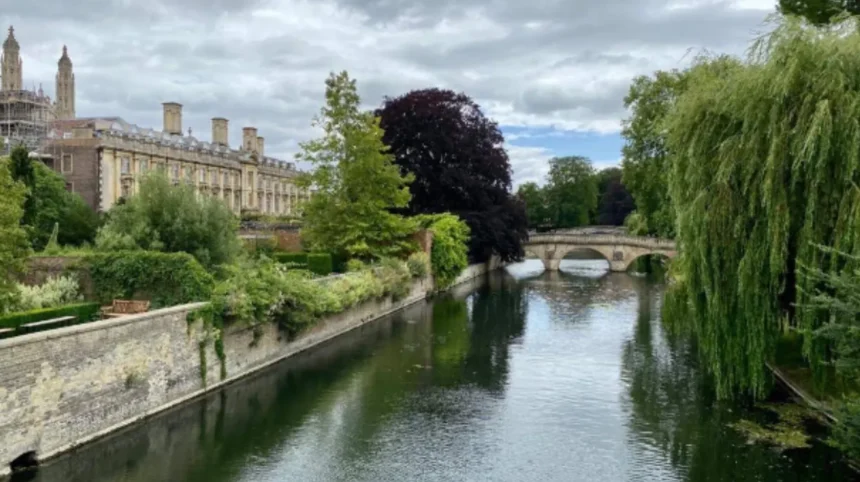
Living near the River Cam requires balancing riparian ownership responsibilities, sustainable land drainage practices, flood resilience strategies, and environmental conservation efforts to protect fragile chalk stream ecosystems and support thriving native wildlife populations across urban and rural Cambridgeshire.
- What Are the Key Drainage and Flood Risk Management Systems along the River Cam?
- Which Protected Wildlife Species Depend on the River Cam Ecosystem?
- How Can Property Owners Maintain Riverside Boundaries Responsibly?
- What legal responsibilities do riparian owners have along the River Cam?
- How does flood risk affect home insurance for River Cam properties?
- What should residents do if they spot invasive species like floating pennywort?
- Can property owners construct private moorings or pontoons on the river?
- How can local homeowners help improve water quality in the River Cam?
Living near the River Cam offers unique ecological, historical, and aesthetic benefits to property owners across Cambridgeshire.
The River Cam serves as a primary watercourse within a catchment area spanning approximately 1,100 square kilometres.
Riparian owners hold legal obligations under UK environmental law to maintain natural water flows and prevent ecological degradation.
Understanding local drainage systems, wildlife protections, and statutory guidelines ensures property management aligns with regional environmental sustainability goals.
What Are the Key Drainage and Flood Risk Management Systems along the River Cam?
Effective flood management along the River Cam relies on sustainable drainage systems, natural flood management techniques, statutory maintenance duties, and real-time monitoring infrastructure overseen by the Environment Agency and local internal drainage boards across Cambridgeshire.
The River Cam drainage network encompasses over 300 kilometres of managed streams, tributaries, and artificial channels across the region.
Urban expansion in Cambridge requires sustainable drainage systems to control surface water runoff rates before entering the main river channel.
Sustainable drainage features such as attenuation basins, permeable paving, and vegetated swales reduce peak flow velocities during intense rainfall events.
Integrated drainage structures prevent localized surface flooding while preserving natural groundwater recharge processes across surrounding chalk aquifers in Cambridgeshire.
Historical management involved heavy canalisation and culverting, which altered natural hydrological profiles across the entire catchment area.
Modern hydraulic engineering prioritizes natural flood management solutions, including water meadow restoration and floodplain reconnection projects.
Sluices, locks, and weir structures managed by the Conservators of the River Cam control water elevations between Jesus Lock and Bottisham Lock.
These mechanical barriers balance navigation requirements with regional flood alleviation objectives, ensuring controlled discharges during heavy rainfall periods.
Riparian responsibilities mandate that property owners adjacent to the watercourse maintain unobstructed flow within their boundary stretch.
Landowners must clear fallen branches, invasive vegetation, and unnatural debris to prevent blockage risks downstream in neighboring communities.
Modifying riverbanks or installing outfalls requires formal consent from the Environment Agency or relevant Internal Drainage Board authority.
Failure to maintain clear channels can increase local flood risks, leading to potential statutory enforcement actions under the Land Drainage Act 1991.
Which Protected Wildlife Species Depend on the River Cam Ecosystem?
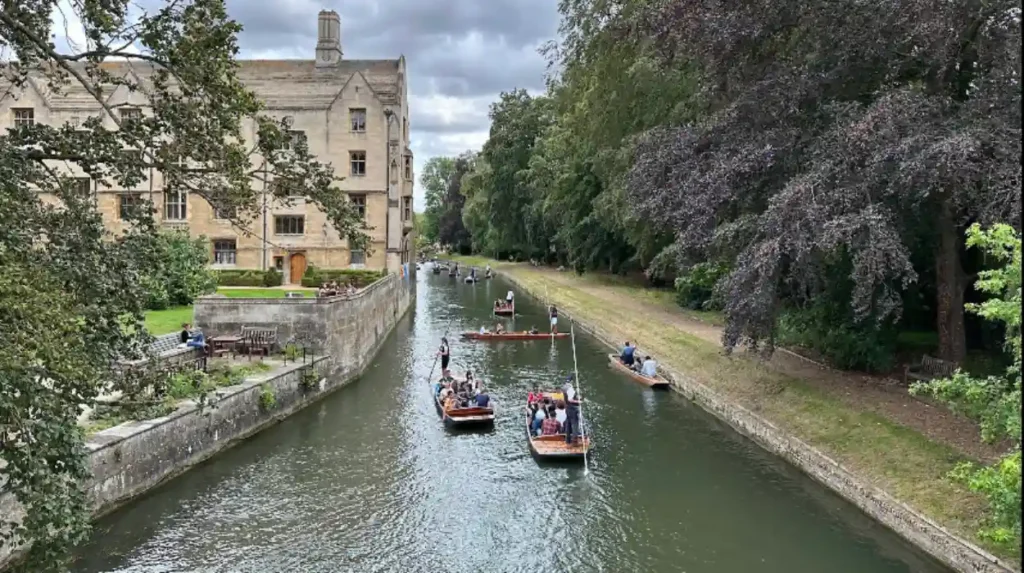
The River Cam ecosystem supports diverse native species including water voles, otters, kingfishers, brown trout, and rare macroinvertebrates that rely on pristine chalk stream habitats, clean water quality, and continuous vegetated riparian corridors.
The River Cam catchment contains rare chalk stream habitats that comprise a significant portion of global chalk river networks.
These environments feature cool, mineral-rich groundwater flows that foster specialized aquatic biodiversity throughout the entire river basin.
Water voles establish burrows within soft, vegetated riverbanks along less modified stretches of the river network.
Preservation of native emergent plants such as reed canary-grass and sedges remains vital for providing food sources and protective cover from predators.
Otters have recovered across the Cam basin due to legal protection and active water quality monitoring programs.
These mammals require undisturbed riparian zones and healthy fish stocks, including brown trout and European eels.
Aquatic bird populations, such as kingfishers and grey herons, rely on clear water clarity for successful hunting.
Intact riparian canopy coverage maintains suitable water temperatures, preserving oxygen levels required for sensitive macroinvertebrates.
Human activity along urban river stretches presents continual challenges to sensitive wildlife habitats across the county.
Over-abstraction, urban runoff, and habitat fragmentation threaten biological diversity across the catchment area today.
Environmental initiatives, including the Greater Cambridge Chalk Stream Project, implement targeted habitat restoration schemes locally.
Establishing unmanaged buffer strips along private gardens directly connects fragmented wildlife corridors, encouraging natural recolonization of native riverine species.
How Can Property Owners Maintain Riverside Boundaries Responsibly?
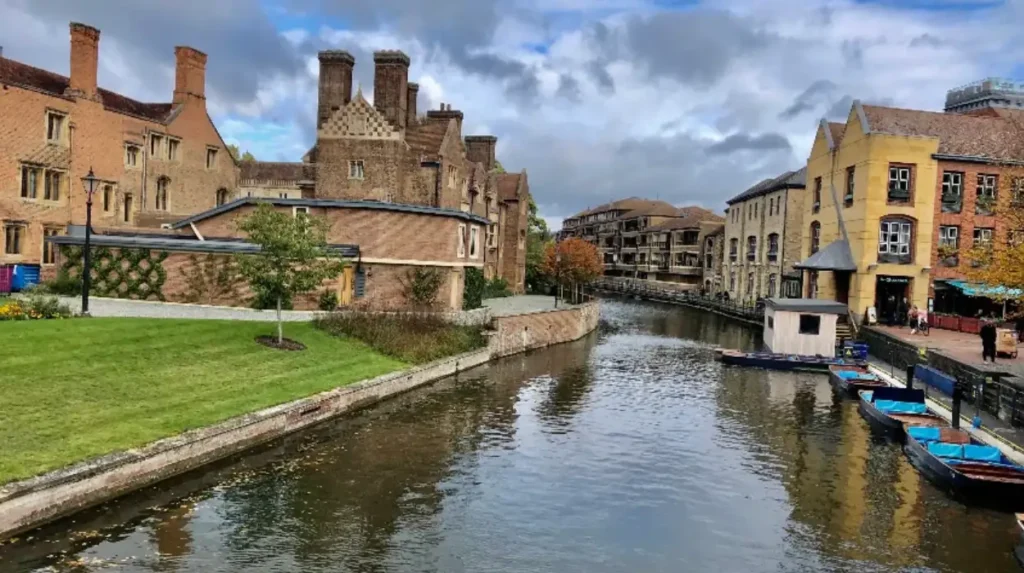
Responsible riverside boundary management involves using soft engineering bank stabilization, avoiding chemical treatments near watercourses, controlling invasive species, and maintaining uncultivated vegetated buffer zones along private garden margins.
Property owners bordering the River Cam hold legal duties as riparian landowners to maintain natural watercourses on their land.
Traditional hard engineering solutions, such as concrete walls or steel sheet piling, disrupt riparian habitat connectivity and accelerate downstream bank erosion.
Soft engineering alternatives, including willow spiling, coir rolls, and pre-seeded coir logs, stabilize eroding banks naturally.
These bioengineering methods absorb wave energy, trap sediment, and create established planting conditions for native aquatic vegetation.
Chemical usage near watercourses presents severe risks to freshwater ecosystems through direct toxicity and nutrient enrichment.
Pesticides, herbicides, and synthetic fertilizers used on garden lawns leach rapidly into groundwater and river channels during rain events.
High nitrate and phosphate levels induce algal blooms, depleting dissolved oxygen levels needed by aquatic wildlife.
Riverside residents must adopt organic maintenance practices and maintain a minimum three-metre unsprayed buffer zone adjacent to the top of the riverbank.
Managing non-native invasive plant species represents a critical responsibility for riverside property owners across the region.
Species like Himalayan balsam and Floating pennywort aggressively outcompete native flora and choke waterway channels.
Floating pennywort forms dense mats that block sunlight, reduce oxygen transfer, and impede water flow significantly.
Landowners must manage invasive vegetation through physical clearance or approved targeted treatments, preventing plant fragments from floating downstream.
What legal responsibilities do riparian owners have along the River Cam?
Riparian owners must maintain natural water flow by removing debris and obstructions from their boundary stretch. They must keep riverbanks stable using approved methods and prevent pollution or unauthorized channel modifications.
How does flood risk affect home insurance for River Cam properties?
Properties near the River Cam may face higher insurance premiums depending on Environment Agency flood zone classifications. Homeowners can mitigate risks and lower costs by implementing flood resilience measures and utilizing Flood Re scheme options.
What should residents do if they spot invasive species like floating pennywort?
Residents should report sightings of invasive plants to the Environment Agency or local River Cam conservation groups immediately. Property owners must contain infestations on their land using physical removal methods, ensuring no plant fragments drift downstream.
Can property owners construct private moorings or pontoons on the river?
Installing private moorings or pontoons requires formal planning permission from the local council and consent from the Conservators of the River Cam. Constructions must not obstruct navigation, compromise flood defence clearance, or damage sensitive bank habitats.
How can local homeowners help improve water quality in the River Cam?
Homeowners can protect water quality by eliminating chemical fertilizer and pesticide use within garden buffer zones. Ensuring household wastewater connections are correctly plumbed prevents untreated greywater or sewage from entering storm drains discharging into the river.