
Farmers markets around Cambridge serve as primary distribution channels for regional agricultural goods, offering direct access to field-harvested produce, seasonal fruits, organic meats, and artisanal items.
These physical trading hubs aggregate fresh crops from Cambridgeshire, Norfolk, and Suffolk farms. They reduce food transport miles, guarantee crop freshness, and foster economic transparency by cutting out intermediate supply chain brokers. Local agricultural networks supply high-density nutrients directly to urban consumers daily.
Agricultural trade in Cambridgeshire originated centuries ago along river systems and trade corridors. Historical charters granted local communities trading privileges that established permanent market squares throughout the Fens and surrounding chalk hills. Early regional markets operated primarily for livestock and grain trading before modern logistics expanded crop diversity.
The economic infrastructure of these markets relies on independent agricultural producers, cooperative baking units, and regional livestock farms. Growers bring harvested goods directly to dedicated market stalls on set days. Consumers interact directly with agricultural producers, ensuring complete transparency regarding crop cultivation methods, soil health, and harvesting timelines.
Regional supply networks operate through direct farm-to-stall transport mechanisms. Crops harvested at peak maturity are packed immediately and delivered to market centers within hours. This short distribution chain preserves nutritional density, reduces reliance on cold storage facilities, and minimizes carbon emissions associated with long-haul freight trucking.
Examples of regional market venues include Cambridge Market Square, Ely Farmers Market, St Ives Farmers Market, and Saffron Walden Market. These locations provide structured venues for seasonal agricultural trade, artisanal food preparation, and community commerce across the broader East Anglia region.
The presence of organized local markets creates stable revenue streams for smallholder agricultural operations. Direct retail sales yield higher profit margins for growers than wholesale supermarket contracts. This economic stability supports regional food security, preserves historical agricultural landscapes, and promotes environmentally responsible soil management techniques.
What Are the Best Farmers Markets in Central Cambridge?
Central Cambridge features historic market venues that operate daily, offering direct access to organic seasonal vegetables, local livestock products, artisan baked goods, and specialized regional foods.
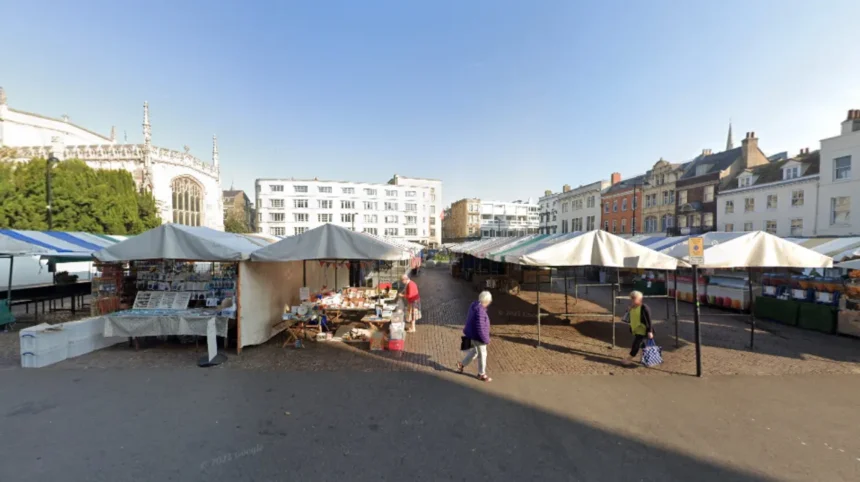
Central market locations serve as regional hubs for local agricultural distribution. Cambridge Market Square on Market Hill functions seven days a week, hosting independent farmers alongside street food stalls. Sunday trading specifically emphasizes organic agricultural products from regional Cambridgeshire holdings.
The historical development of central Cambridge markets traces back to medieval royal grants. Early trading concentrated around Market Hill and Great St Mary’s Church, forming the central commerce zone. Over centuries, municipal authorities formalized trading boundaries, stall allocations, and public health regulations to maintain fair commercial exchange.
Operational mechanics require vendors to obtain trading licenses from local government authorities. Produce vendors set up temporary retail displays each morning to showcase early-harvested crops. Pricing mechanisms reflect seasonal availability and production overhead without corporate supply chain markup.
Specific examples of central Cambridge stalls include organic produce growers, traditional bakeries, independent cheesemongers, and heritage meat producers. These vendors provide continuous access to fresh crops grown within forty miles of the city center throughout the calendar year.
Sustaining central market venues preserves urban access to unrefined agricultural items. Direct city sales improve farm financial viability while providing residents with nutrient-dense alternatives to industrial supermarket chains. Continuous daily operations support local employment across logistics, farming, and food preparation sectors.
Where Can You Find Regional Farmers Markets Near Cambridge?
Regional towns surrounding Cambridge host weekly and monthly farmers markets, providing direct retail access to agricultural goods from the Fens and regional countryside.
Markets in neighboring towns expand local agricultural reach across Cambridgeshire. Ely Farmers Market operates on the second and fourth Saturday of every month at Market Place, featuring Fenland vegetables and preserves. St Ives and St Neots host bi-weekly markets along historic riverfront trading plazas.
Regional market networks developed along historical transport routes, including the River Great Ouse and railway corridors. These market towns served as central gathering points where rural growers traded crops with urban distributors. Surrounding Fenland soils provided ideal conditions for intensive vegetable and grain production.
Regional markets operate under structured scheduling systems organized by town councils and trader associations. Participating producers travel short distances from surrounding rural acreage to assemble temporary outdoor retail bays. Compliance with local hygiene standards and agricultural trace laws ensures high product safety.
Notable regional markets include the Ely Craft, Food, and Vintage Market, the St Ives Farmers Market, the St Neots Farm and Craft Market, and the Saffron Walden Weekly Market. Each venue highlights unique regional specialties, includingFenland celery, local honey, and heritage poultry.
Regional market distribution maintains agricultural preservation across the East of England. By offering reliable sales channels, these markets prevent small farm consolidation into industrial conglomerates. Consumers gain access to transparent supply chains that encourage sustainable land stewardship across neighboring counties.
Which Seasonal Produce Is Available at Cambridge Markets?
Cambridge farmers markets supply seasonal produce that varies according to regional harvest timelines, soil temperatures, and local climatic conditions across the East Anglian region.
Seasonal crop availability reflects natural agricultural cycles in Cambridgeshire. Spring brings asparagus, rhubarb, and salad greens, while summer offers soft berries, brassicas, and fresh legumes. Autumn yields root crops, squashes, and orchard fruits, followed by hardy winter greens and storage roots.
Seasonal cultivation relies on crop rotation schedules designed to maintain soil fertility without heavy chemical dependence. Regional growers utilize unheated polytunnels and open-field plantings to stagger planting intervals. Harvest schedules depend on environmental conditions, daylight duration, and natural pest life cycles.
Harvesting processes require precise timing to capture peak crop quality. Produce is picked manually at field maturity hours before transport to local market stalls. This direct system avoids artificial ripening gases and chemical preservatives commonly used in long-distance global transit.
Examples of seasonal produce items sold locally include Cambridgeshire asparagus in May, Fenland strawberries in June, heritage apples in October, and winter purple sprouting broccoli in February. Fresh cut flowers and culinary herbs follow matching seasonal patterns.
Eating seasonal crops from local markets reduces processing energy, storage refrigeration, and long-distance transport requirements. High-density crop rotation enhances soil biodiversity and protects natural water tables across rural Cambridgeshire. Consuming fresh seasonal yield ensures optimal nutritional density for local consumers.
How Do Farmers Markets Support the Local Cambridgeshire Economy?
Farmers markets support the Cambridgeshire economy by keeping consumer spending within the region, creating agricultural jobs, and reducing intermediary supply chain overhead.
Local food markets function as economic multipliers for regional communities. Revenue generated at market stalls flows directly to regional agricultural families, local transport providers, and independent packaging suppliers. This localized economic circulation strengthens rural financial infrastructure against global market fluctuations.
Economic frameworks operate through direct producer-to-consumer financial transactions. By eliminating wholesale distributors, commission agents, and national supermarket overheads, growers capture a larger percentage of total retail revenues. These profit margins enable direct reinvestment into modern equipment and sustainable land management.
Financial administration involves space rental fees paid to municipal councils, which fund local infrastructure maintenance. Growers reinvest their profits into farm operating costs, local labor hiring, and seasonal farm equipment purchases. This creates a sustainable economic feedback loop within surrounding rural districts.
Examples of economic benefits include smallholding financial solvency, expansion of independent artisan food businesses, increased rural employment, and secondary spending at neighboring city center shops. Farmers markets serve as reliable incubator spaces for new food businesses.
Direct agricultural trade strengthens long-term economic resilience across Cambridgeshire. Diversified farm revenues protect rural communities from broad agricultural commodity shocks. Supporting independent growers ensures that regional land remains productive and economically active for future generations.
What Are the Environmental Benefits of Buying Local Produce?
Buying local produce at Cambridge farmers markets reduces carbon emissions from transportation, minimizes single-use plastic packaging, and encourages environmentally friendly farming practices.
Purchasing local produce delivers measurable environmental advantages over global retail supply chains. Shorter supply chains reduce vehicle freight distances from thousands of miles down to local journeys. Reduced transport timelines significantly lower fossil fuel consumption and overall green-house gas emissions.
Environmental mechanisms involve sustainable farming choices that preserve regional soil and ecosystem health. Small-scale regional growers rely less on synthetic pesticides and industrial chemical fertilizers. Crop rotation strategies and natural compost application maintain topsoil organic matter across Cambridgeshire fields.
Packaging reduction occurs through loose produce retail formats. Market vendors sell crops directly from harvest crates into reusable cloth or paper bags provided by consumers. This operational model eliminates unnecessary single-use plastic wrappers, tray packaging, and transport films.
Examples of environmental improvements include conserved Fenland peat soils, reduced agricultural runoff into the River Cam, lower municipal waste output, and protected farmland biodiversity corridors. Local farms provide essential habitats for native pollinators and bird species.
Prioritizing short-distance food logistics helps combat regional environmental degradation. Decreased packaging waste lightens municipal landfill loads while sustainable land cultivation safeguards regional groundwater supplies. Consumers actively lower their personal carbon footprint through direct local procurement.
What day is the main farmers market in Cambridge?
Cambridge Market Square operates seven days a week from 10:00 AM to 4:00 PM in the city center. Sunday trading specifically features organic local produce, artisan foods, and regional craft stalls alongside regular vendors.
Are farmers markets around Cambridge organic?
Many farmers markets around Cambridge feature certified organic growers alongside non-certified traditional farms. Vendors clearly label organic crops, and buyers can ask producers directly about specific pesticide and soil management practices.
Can you buy local meat and dairy at Cambridge markets?
Yes, regional farmers markets host independent butchers, heritage livestock farmers, and artisanal cheesemongers. Customers can purchase locally raised beef, pork, lamb, fresh milk, and regional cheeses produced across Cambridgeshire and East Anglia.
Do Cambridge farmers market stalls accept card payments?
Most market stall vendors around Cambridge accept contactless card and mobile payments alongside traditional cash. It remains useful to carry small amounts of cash for smaller purchases or independent farm stalls.
Where can I park when visiting Cambridge markets?
Central Cambridge parking is available at the Grand Arcade and Park Street multi-storey car parks near Market Hill. Visitors can also utilize the Cambridge Park & Ride bus system for convenient access to central market locations.