
A resident guide to pharmacies, dental care, and everyday health services in Cambridge provides a structured blueprint for navigating urban clinical systems.
- How Do Primary Care and Walk-In Clinics Operate in Cambridge?
- What Services Do Local Pharmacies Provide Beyond Prescription Dispensing?
- How Can Residents Access Emergency and Routine Dental Services?
- What Specialized Health and Wellness Resources Are Available Locally?
- What should residents do if they face a medical issue outside clinic hours?
- How do patients register with a new primary care doctor in the area?
- Are same-day emergency dental appointments widely available?
- Can local pharmacists adjust or renew existing prescriptions?
- What specialized medical services require a formal doctor referral?
Primary medical networks, retail prescription dispensaries, and dental practices form the tri-fold backbone of localized municipal healthcare delivery. Residents rely on these structured operational systems to access preventive maintenance, urgent consultations, and long-term therapeutic interventions efficiently.
Navigating municipal healthcare systems requires clear understanding of institutional frameworks, regulatory policies, and provider networks across urban centers. Primary health infrastructures maintain public wellbeing through coordinated clinical touchpoints and standardized patient pathways.
Historically, community healthcare systems evolved from decentralized local apothecary shops and private medical practices into integrated health networks. Modern developments emphasize standardized care protocols, digital health record management, and interdisciplinary clinical collaboration across all service providers.
Key components of local health services include general primary care practices, retail and clinical pharmacies, emergency dental facilities, and outpatient specialized centers. These distinct health entities operate under unified regional regulatory frameworks to ensure safety, equitable access, and clinical quality.
Processes within this local infrastructure involve triage protocols, digital prescription management, direct specialist referral channels, and emergency care redirection pathways. Patients initiate contact through primary consultations, leading to streamlined diagnostic evaluations and target treatments.
Real-world examples include municipal health centers providing routine vaccinations alongside neighborhood walk-in clinics handling minor trauma and urgent acute illness. Community pharmacies simultaneously fulfill complex compound prescriptions while managing ongoing chronic medication therapies.
Data indicates that structured municipal healthcare networks reduce emergency room overcrowding by directing non-critical cases to community outpatient resources. Statistical evaluations consistently demonstrate improved long-term patient health outcomes when primary care access remains consistent and accessible.
Systemic impacts include strengthened public health resilience, lower overall healthcare delivery costs, and improved chronic disease management across urban populations. Future clinical integration relies on telehealth platforms and centralized electronic health records.
When navigating these healthcare providers, residents typically utilize 3 primary service categories, including community retail pharmacies, specialized dental practices, and urgent care clinics.
How Do Primary Care and Walk-In Clinics Operate in Cambridge?
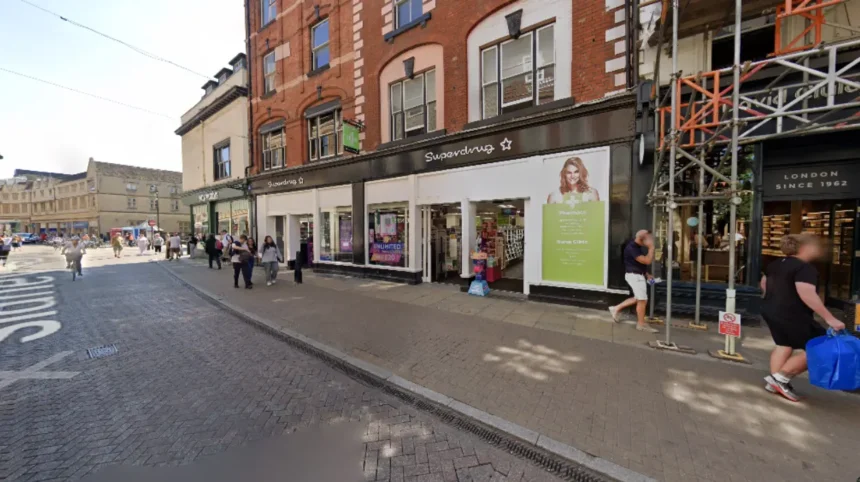
Primary care clinics and walk-in facilities operate as the initial entry point for comprehensive non-emergency medical evaluations.
These centers provide routine physical examinations, chronic disease management, minor injury treatments, and diagnostic laboratory testing. Walk-in facilities handle immediate health issues without pre-scheduled appointments, utilizing standardized triage protocols to ensure rapid clinical intervention.
General primary medical practices serve as the foundation of long-term health monitoring and preventative care management. Registered physicians, nurse practitioners, and clinical support staff evaluate general symptoms and manage multi-system health conditions.
Historically, primary care operated through direct patient-doctor visits with limited diagnostic capabilities on site. Current clinical models integrate comprehensive diagnostic laboratories, immediate electronic record processing, and direct connection to hospital emergency systems.
Core structural components consist of general consultation rooms, clinical triage stations, basic diagnostic labs, and dedicated procedure suites for minor surgical needs. Operational staff include board-certified general practitioners, registered nurses, and administrative care coordinators.
The operational mechanism begins with preliminary triage assessments, followed by medical history reviews, objective clinical examinations, and diagnostic testing orders. Practitioners then form diagnostic conclusions, issue prescriptions, or initiate formal referrals to secondary specialists.
Real-world operational settings feature daily walk-in services addressing acute respiratory infections, laceration care, minor burns, and sudden localized pain. Scheduled appointments address long-term conditions like hypertension monitoring and diabetes management plans.
Healthcare research shows that accessible walk-in clinics handle significant volumes of non-emergent medical cases, directly relieving burden on regional emergency departments. Studies highlight high patient satisfaction scores linked to shortened waiting periods.
The continued operation of accessible primary care stabilizes community health dynamics and reduces public expenditure on unmanaged emergency conditions. Advanced clinical triage systems will increasingly rely on integrated digital intake systems.
When seeking immediate medical evaluation, patients access 3 distinct facility types, including full-service primary medical clinics, urgent care centers, and municipal community health hubs.
What Services Do Local Pharmacies Provide Beyond Prescription Dispensing?
Local pharmacies provide clinical consultation, immunization administration, medication synchronization, and basic health screening services.
Modern pharmaceutical centers operate beyond routine drug dispensing, functioning as accessible community health stations. Pharmacists evaluate minor ailments, monitor therapeutic drug interactions, and deliver preventative clinical vaccines directly to residents.
Retail and clinical pharmacies form the most accessible physical health touchpoints within urban healthcare ecosystems. Licensed pharmacists hold advanced doctorate degrees enabling direct patient counseling and minor therapy adjustments.
Historically limited to compounding and dispensing physician orders, the pharmacy profession expanded significantly through statutory legislative updates. Modern legal frameworks grant licensed pharmacists expanded scope of practice rights including independent prescription management for specific conditions.
Essential components include secure prescription dispensation zones, private clinical consultation rooms, cold-chain vaccine storage units, and automated medication distribution technology. Digital networks connect pharmacies directly to regional prescribing medical facilities.
The service delivery process starts when a digital prescription arrives or a walk-in patient requests a clinical assessment. Pharmacists review drug safety profiles, verify dosage parameters, conduct private face-to-face consultations, and administer medications or vaccines safely.
Examples of expanded services include seasonal influenza and pneumococcal vaccination clinics conducted directly inside local pharmacy rooms. Pharmacists also conduct routine blood pressure screenings and provide comprehensive medication therapy reviews for multi-prescribed patients.
Statistical reports demonstrate that expanding community pharmacy services increases adult vaccination coverage rates by substantial margins across urban districts. Data confirms significant reductions in drug-interaction hospitalizations due to pharmacist oversight.
Broader implications suggest that community pharmacies will serve as primary sites for preventative screenings and early diagnostic testing. Integrating pharmacists into interdisciplinary care teams optimizes prescription management and patient outcome tracking.
When utilizing modern pharmacy care, patients access 3 main clinical categories, including over-the-counter therapeutic consultations, preventative vaccination services, and chronic medication management programs.
How Can Residents Access Emergency and Routine Dental Services?
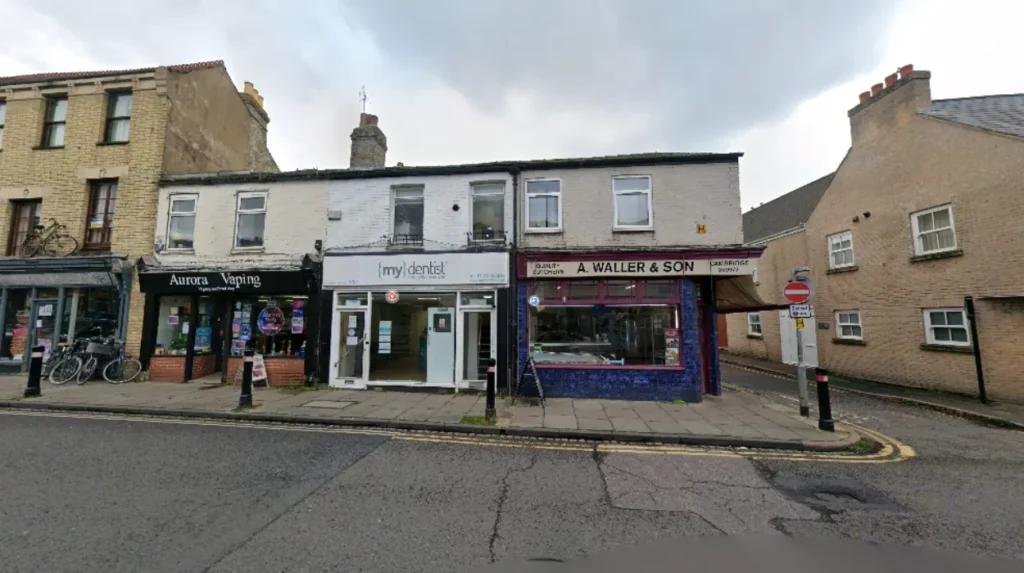
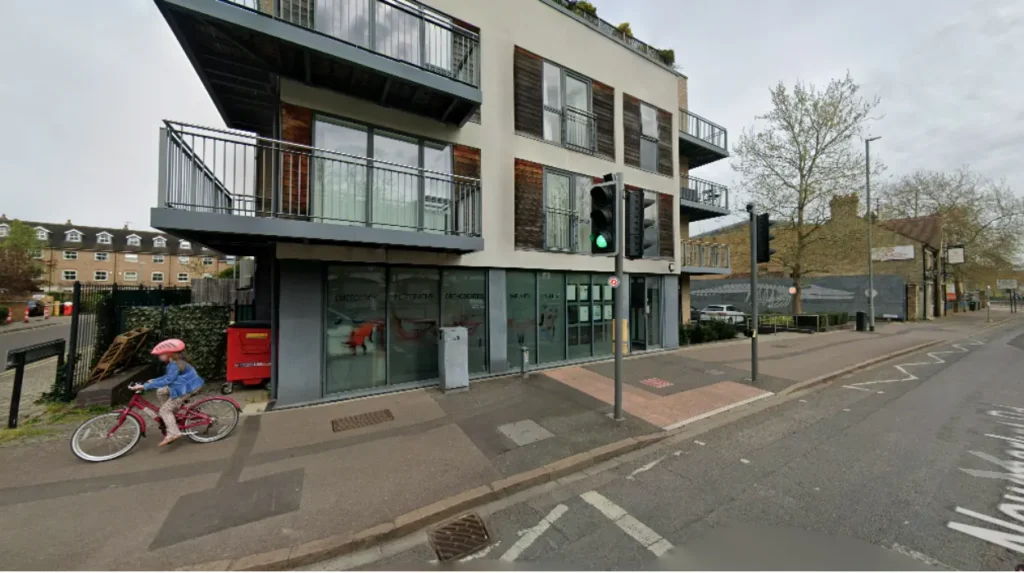
Residents access dental services by scheduling routine preventative care appointments or utilizing dedicated emergency dental triage systems.
Routine care involves periodic professional oral cleansings, diagnostic imaging, and preventative checkups. Emergency care networks address severe dental trauma, acute bacterial infections, and intense facial pain through same-day urgent appointments.
Dental care infrastructure operates independently from general medical networks, focusing specifically on oral health, maxillofacial structures, and periodontal disease prevention. Licensed dentists, dental hygienists, and oral surgeons form the primary care team.
Historically, dental treatment focused predominantly on reactive tooth extraction and basic pain relief. Advances in restorative materials, digital radiography, and local anesthesia shifted the modern paradigm toward long-term natural tooth preservation.
Structural elements of local dental care consist of general family dentistry practices, specialized endodontic and periodontal clinics, and 24-hour emergency dental facilities. Modern clinics feature digital intraoral scanners, digital X-ray units, and sterile surgical suites.
Accessing routine care involves establishing care with a general dental practice for bi-annual examinations and preventive hygienic scaling. Emergency care workflows require immediate phone or online triage, followed by prompt clinical evaluation and immediate pain stabilization procedures.
Real-world examples include same-day endodontic therapy for severe pulpal inflammation and emergency splinting of avulsed teeth following physical trauma. Routine examples encompass fluoride applications, composite cavity restorations, and periodontal maintenance scaling.
Clinical data demonstrates that regular bi-annual dental visits reduce the incidence of severe periodontal disease and emergency extractions significantly. Research links robust oral health maintenance to reduced systemic cardiovascular inflammation markers.
The long-term impact highlights oral healthcare as an essential component of overall systemic health management. Future access models aim to integrate dental records with primary medical files to streamline holistic patient care.
When seeking professional oral healthcare, residents choose from 3 main treatment avenues, including preventative hygienic appointments, comprehensive restorative dentistry, and urgent emergency oral surgeries.
What Specialized Health and Wellness Resources Are Available Locally?
Specialized local health resources include physical therapy centers, mental health clinics, diagnostic imaging facilities, and maternal care services.
These targeted clinical services address specific long-term health rehabilitation, physiological therapy, psychological support, and diagnostic needs. Specialized clinics operate through referral frameworks coordinated by primary medical practitioners.
Specialized healthcare institutions address complex physiological conditions that exceed the routine scope of general primary care. These facilities host advanced technical equipment and specialized multi-disciplinary clinical professionals.
Historically, specialized medical resources were restricted strictly to major regional tertiary hospitals. Recent healthcare delivery shifts decentralized these services into accessible outpatient community centers to improve patient convenience and reduce clinical costs.
Key components encompass outpatient physical therapy suites, psychiatric and psychological counseling offices, independent diagnostic imaging centers, and dedicated women’s health clinics. Equipment includes advanced magnetic resonance imaging machines, ultrasound devices, and specialized physical rehabilitation gear.
The diagnostic and treatment process begins with formal clinical referral from a primary practitioner. Specialists perform deep anatomical or psychological evaluations, design tailored therapeutic protocols, and execute targeted clinical interventions.
Examples include post-surgical orthopedic physical therapy programs designed to restore joint mobility following structural reconstructive surgery. Mental health outpatient programs offer structured cognitive behavioral therapy and psychiatric medication management.
Healthcare studies indicate that local access to specialized physical rehabilitation reduces long-term disability rates following musculoskeletal injuries. Research proves that community-based mental health support drastically improves treatment compliance rates.
Expanding local specialized health resources reduces regional transit burdens on patients requiring frequent long-term therapy sessions. Future outpatient specialization will incorporate remote biometric monitoring and AI-assisted diagnostic imaging protocols.
When requiring targeted clinical care, patients utilize 3 primary specialized sectors, including outpatient physical rehabilitation facilities, outpatient behavioral health centers, and advanced diagnostic imaging facilities.
What should residents do if they face a medical issue outside clinic hours?
Residents can visit urgent care centers open late or contact non-emergency healthcare telephone helplines. These services provide expert clinical guidance, triage assessments, and immediate redirection to open emergency departments when necessary.
How do patients register with a new primary care doctor in the area?
Patients register by contacting local primary medical practices directly or applying through municipal health enrollment portals. Accepting practices collect medical history records, verify coverage details, and schedule an initial consultation.
Are same-day emergency dental appointments widely available?
Yes, dedicated emergency dental clinics reserve immediate daily time slots for acute dental pain, severe infections, or facial trauma. Patients should call early in the morning to secure same-day emergency evaluation slots.
Can local pharmacists adjust or renew existing prescriptions?
Pharmacists can extend or adjust certain recurring prescriptions depending on regional health regulations and clinical protocols. They evaluate medication history, check safety parameters, and communicate changes directly to the primary prescribing physician.
What specialized medical services require a formal doctor referral?
Specialized services like advanced diagnostic imaging, physical therapy, and targeted medical sub-specialties usually require a formal referral. Primary care doctors evaluate initial symptoms and generate authorized referral documentation for insurance and clinical tracking.