

Key Points
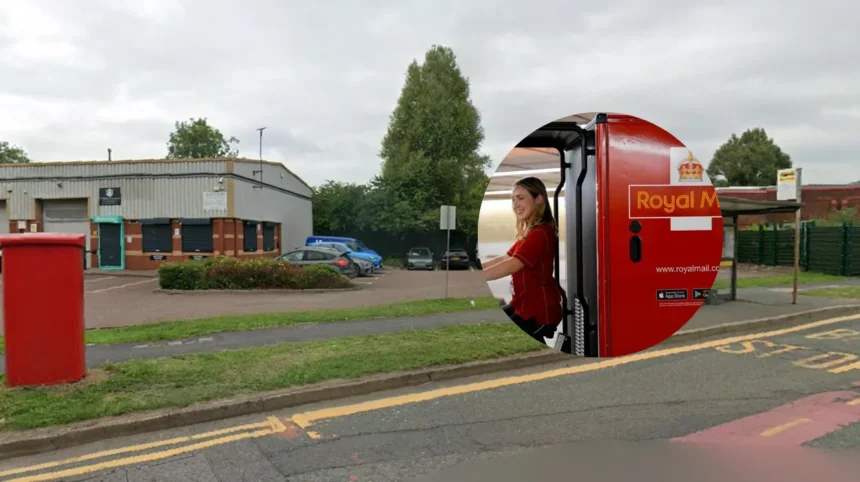
- Royal Mail has launched its first electric cargo cycles, the Minimal Pedal 4, with Cambridge among the first cities to receive them
- The initial rollout includes 20 electric cargo cycles to be deployed across London, Brighton and Cambridge during July 2026
- The Pedal 4 cycles feature a 60km range and 2.5 cubic metres cargo capacity, designed specifically for urban commercial deliveries
- Unlike Royal Mail’s micro electric vehicles, the Pedal 4 does not require a licensed driver, broadening recruitment opportunities
- The cycles can be charged from standard three-pin plug sockets, enabling operation from any delivery office
- This initiative supports Royal Mail’s net-zero target by 2040 and its commitment to 100% zero-emission final mile deliveries by 2035
- The vehicles are manufactured at Minimal’s microfactory in West London
Cambridge (Cambridge Tribune) July 31, 2026 – Cambridge has become one of the pioneering cities to benefit from Royal Mail’s latest sustainability initiative with the deployment of the postal service’s first electric cargo cycles. The Minimal Pedal 4 cycles represent a significant expansion of what Royal Mail describes as the UK’s largest electric delivery fleet, marking another milestone in the organisation’s journey toward achieving net-zero emissions by 2040.
- Key Points
- How Do the Electric Cargo Cycles Support Royal Mail’s Net-Zero Ambitions?
- What Are the Technical Specifications of the Pedal 4 Electric Cycles?
- Where Are the Electric Cycles Being Manufactured and Deployed?
- How Does This Initiative Improve Operational Efficiency for Posties?
- What Previous Electric Vehicle Trials Has Royal Mail Conducted in Cambridge?
- Background of Electric Delivery Vehicle Development at Royal Mail
- Prediction: How Will Electric Buggies Affect Cambridge Residents and Urban Delivery Workers?
The rollout, which commenced this month, sees the first 20 electric cargo cycles being distributed across three initial locations: London, Brighton and Cambridge, with additional cities planned for future phases. As reported by industry sources, the introduction of these vehicles demonstrates Royal Mail’s commitment to reducing carbon emissions while improving operational efficiency in urban delivery environments.
How Do the Electric Cargo Cycles Support Royal Mail’s Net-Zero Ambitions?
The deployment of the Pedal 4 cycles forms a critical component of Royal Mail’s broader environmental strategy. According to official statements from the organisation, Royal Mail has committed to achieving net-zero emissions by 2040, with interim targets for 2030 that have received external validation from the Science-based Target Initiative (SBTi). The company has set an ambitious goal of achieving 100% zero-emission final mile deliveries by 2035 through the transition to zero-emission vehicles and the enhancement of delivery walking routes.
Mark Riley, delivery design manager at Royal Mail, stated that the new electric cargo cycles represent “another important step toward reaching net zero by 2040 and making our delivery network more efficient for the future”. He emphasised that the vehicles would help reduce emissions and improve air quality in the communities served, while simultaneously creating new employment opportunities for individuals without driving licences.
The environmental benefits extend beyond carbon reduction. Royal Mail indicates that the e-cargo cycles will contribute to improved local air quality in urban areas, addressing growing concerns about pollution levels in city centres. The company currently operates approximately 7,000 electric vans across its delivery and collection fleet, making it the largest electric van delivery fleet in the UK.
What Are the Technical Specifications of the Pedal 4 Electric Cycles?
The Minimal Pedal 4 cycles have been engineered specifically for the demanding requirements of commercial urban deliveries. According to technical documentation, the fully electric cycle offers a maximum range of up to 60 kilometres on a single charge, providing sufficient operational capacity for typical delivery rounds.
The cargo capacity stands at 2.5 cubic metres, enabling posties to transport letters, cards and the majority of parcels within the secure cargo area. This capacity represents a significant improvement over previous iterations of electric delivery vehicles trialled by Royal Mail, including the e-Trikes tested in Cambridge’s Eddington district in 2019.
A distinctive feature of the Pedal 4 is its charging infrastructure requirements. The cycle can be charged from a standard three-pin plug socket, eliminating the need for specialised charging infrastructure. This capability allows the vehicles to operate from any delivery office, including sites with limited yard space or electricity capacity, providing operational flexibility that earlier electric vehicle deployments lacked.
Unlike Royal Mail’s micro electric vehicles (MEVs) introduced in previous years, the Pedal 4 does not require the operator to hold a driving licence. This distinction opens delivery roles to a wider demographic of potential employees, addressing recruitment challenges while supporting the company’s operational objectives.
The vehicles are designed to operate on roads with speed limits of up to 48 kilometres per hour, as well as cycle lanes, cycle paths and greenways. This versatility enables posties to navigate urban environments efficiently while avoiding traffic congestion and utilising cycling infrastructure where available.
Where Are the Electric Cycles Being Manufactured and Deployed?
The Pedal 4 cycles are manufactured at Minimal’s microfactory located in West London. This domestic production capability supports the UK’s growing electric vehicle manufacturing sector while reducing the carbon footprint associated with vehicle transportation.
Patrick Bion, CEO at Minimal, commented on the partnership, stating that “Royal Mail operates one of the most demanding delivery networks in the country”. He described Royal Mail’s decision to scale the Pedal 4 throughout the UK as “the clearest-possible signal that right-sized electric vehicles will be central to how we move goods through cities more efficiently”.
The initial deployment cities of London, Brighton and Cambridge were selected based on their urban delivery characteristics and existing sustainability initiatives. Cambridge, in particular, has previously participated in Royal Mail’s electric vehicle trials, including the e-Trike programme tested in the Eddington district in 2019. This prior experience with electric delivery vehicles positioned Cambridge as a natural candidate for the expanded Pedal 4 rollout.
Royal Mail has indicated that further locations will be added to the deployment programme in the future, though specific cities beyond the initial three have not been announced. The phased approach allows the company to evaluate operational performance and gather data before expanding to additional urban centres.
How Does This Initiative Improve Operational Efficiency for Posties?
The introduction of dedicated electric cargo cycles addresses several operational challenges identified by Royal Mail’s delivery network management. According to company statements, the e-cargo cycles will streamline delivery rounds by providing posties with dedicated vehicles rather than requiring them to share vans.
This dedicated vehicle allocation enables more efficient route planning and reduces time lost to vehicle handovers or waiting for shared transport. The cycles’ ability to utilise cycle lanes and paths allows posties to bypass traffic congestion, particularly during peak delivery hours in urban areas.
The operational flexibility extends to the recruitment process. By eliminating the driving licence requirement, Royal Mail can access a broader pool of potential employees, addressing labour market challenges while supporting social mobility objectives. This approach aligns with the company’s broader commitment to community engagement and employment opportunities.
The 60km range provides sufficient operational capacity for most urban delivery rounds without requiring mid-shift recharging, maintaining delivery schedules while maximising vehicle utilisation. The standard charging infrastructure requirements mean that vehicles can be charged overnight at any delivery office, eliminating the need for specialised charging facilities.
What Previous Electric Vehicle Trials Has Royal Mail Conducted in Cambridge?
Cambridge has a established history with Royal Mail’s electric vehicle initiatives, predating the current Pedal 4 deployment. In 2019, the Eddington district, a University of Cambridge development, participated in a six-month trial of Royal Mail’s e-Trikes. These zero-emission vehicles were deployed across eight locations nationally, with Cambridge among the trial sites alongside Stratford in London and Sutton Coldfield.
The e-Trikes featured a 250W electric motor powered by a 48V lithium battery, supplemented by two solar panels and regenerative braking technology. The vehicles measured 1200mm in width and 1968mm in height, designed to accommodate letters, cards and most parcels while operating on roads, highways and selected cycle paths.
That trial represented Royal Mail’s exploration of alternative delivery modes, building on the organisation’s 120-year history of experimenting with motorised delivery vehicles since 1899. The positive outcomes from the e-Trike trial informed subsequent electric vehicle deployments, including the current Pedal 4 rollout.
Royal Mail has progressively expanded its electric fleet over subsequent years, reaching milestones of 3,000 electric vehicles in 2022 and 5,000 electric vans by 2024. Cambridge featured prominently in these rollouts due to its low emission zones and established sustainability infrastructure.
Background of Electric Delivery Vehicle Development at Royal Mail
Royal Mail’s journey toward electrified delivery operations spans more than a decade, with systematic investment in alternative fuel vehicles beginning in the early 2010s. The organisation’s commitment to environmental sustainability has evolved from experimental trials to comprehensive fleet transformation, driven by regulatory pressures, customer expectations and corporate responsibility objectives.
The 2019 e-Trike trials in Cambridge and other locations represented the first systematic evaluation of pedal-assisted electric vehicles for postal delivery. These trials demonstrated the technical feasibility of electric cargo cycles while identifying operational requirements for wider deployment. The lessons learned from this programme directly informed the specifications and deployment strategy for the current Pedal 4 cycles.
Subsequent phases saw the introduction of micro electric vehicles (MEVs) and electric vans, with Royal Mail becoming the largest operator of electric delivery vans in the UK. The company’s fleet now includes approximately 7,000 electric vans deployed across cities with low emission zones, including London, Bristol, Glasgow, Cambridge and Oxford.
The Pedal 4 deployment represents the latest evolution in this progression, combining the operational flexibility of cargo cycles with the zero-emission performance of fully electric powertrains. The vehicles’ ability to operate without requiring driving licences distinguishes them from previous electric vehicle deployments, potentially transforming recruitment patterns for urban delivery roles.
Prediction: How Will Electric Buggies Affect Cambridge Residents and Urban Delivery Workers?
The deployment of Royal Mail’s electric cargo cycles in Cambridge is likely to generate measurable impacts across multiple stakeholder groups, based on evidence from previous electric vehicle deployments and urban delivery studies.
For Cambridge residents, the introduction of zero-emission delivery vehicles should contribute to improved local air quality, particularly in the city centre and residential areas with high delivery volumes. Research on urban air quality indicates that replacing conventional delivery vehicles with electric alternatives reduces particulate matter and nitrogen oxide emissions, which are associated with respiratory health issues. The cumulative effect of Royal Mail’s expanding electric fleet, combined with similar initiatives by other delivery operators, could produce noticeable improvements in urban air quality metrics over the coming years.
For urban delivery workers, the Pedal 4 cycles offer both opportunities and challenges. The elimination of driving licence requirements expands employment access, potentially attracting workers who previously could not access delivery roles. However, the physical demands of operating cargo cycles in urban environments may require different fitness levels and training compared to van-based delivery roles. Royal Mail’s operational data from the initial deployment phase will likely inform workforce planning and training programmes for future rollouts.
The operational efficiency gains from dedicated vehicles and cycle infrastructure utilisation could reduce delivery times in congested urban areas, potentially improving service reliability for customers. However, the 60km range limitation may necessitate operational adjustments for longer delivery routes or high-volume areas, requiring careful route planning and potentially additional vehicle deployments.
For the broader logistics sector, Royal Mail’s commitment to scaling the Pedal 4 deployment signals growing confidence in cargo cycles as viable delivery vehicles for urban environments. This could accelerate adoption by other delivery operators, amplifying the environmental and operational impacts across the urban logistics ecosystem.