

Fen Ditton is a historic village on the northeastern edge of Cambridge in Cambridgeshire, England. Located along the eastern bank of the River Cam, it combines centuries of heritage with open riverside landscapes, making it one of the area’s most peaceful destinations. Unlike the busy streets of central Cambridge, Fen Ditton offers quiet footpaths, traditional village character, and uninterrupted views across the river and surrounding meadows. The parish covers approximately 5.99 square kilometres and had a population of 814 at the 2021 Census.
- What is Fen Ditton, and where is it located?
- Why is Fen Ditton considered one of Cambridge’s hidden gems?
- How did Fen Ditton develop through history?
- What can visitors see and do during a quiet afternoon in Fen Ditton?
- Why is the River Cam central to Fen Ditton’s identity?
- Which historic landmarks make Fen Ditton worth visiting?
- How do walking and cycling routes connect Fen Ditton with Cambridge?
- How does Fen Ditton preserve its rural character despite Cambridge’s growth?
The village has become increasingly popular among walkers, cyclists, photographers, and visitors seeking a slower pace while remaining only a short distance from Cambridge city centre. Historic buildings, conservation areas, wildlife habitats, and riverside trails create an environment that appeals throughout the year. Fen Ditton also forms part of the wider River Cam corridor, an important landscape protected for its natural and historical significance.
What is Fen Ditton, and where is it located?
Fen Ditton is a historic riverside village in South Cambridgeshire situated on the eastern bank of the River Cam, immediately northeast of Cambridge city. It combines rural landscapes, protected heritage, riverside paths, and traditional English village character within easy reach of Cambridge’s historic centre.
Fen Ditton lies approximately two miles northeast of central Cambridge, making it accessible by walking, cycling, driving, and public transport. The village sits beside the River Cam between Cambridge and Horningsea, close to Junction 34 of the A14. Cambridge North railway station provides the nearest rail connection, allowing convenient access for visitors arriving from across the region.
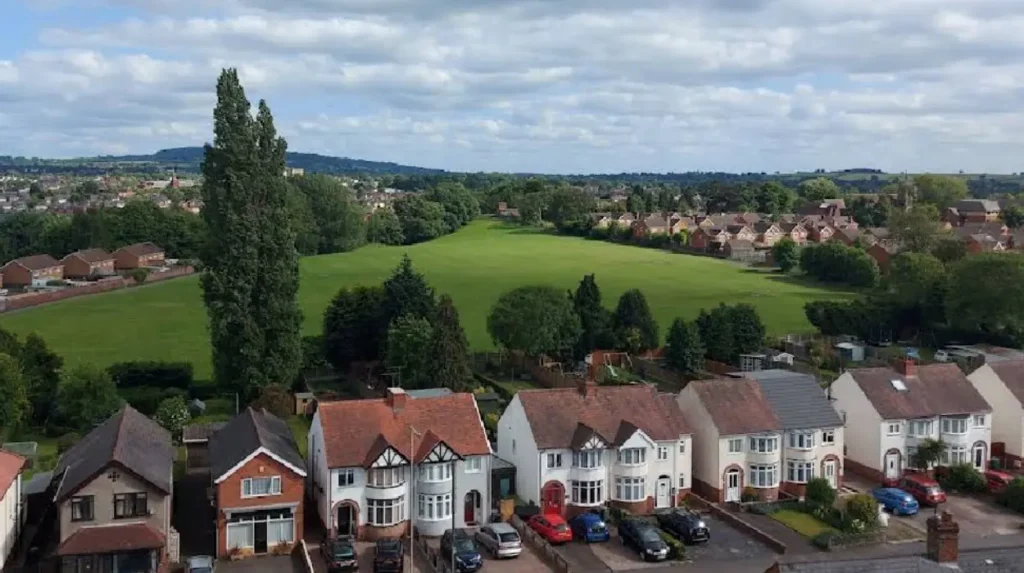
The parish belongs to South Cambridgeshire District and forms part of the Fen Ditton and Fulbourn ward. Although modern development surrounds much of Cambridge, Fen Ditton has retained a distinctly rural appearance. Grass verges, mature trees, riverside meadows, and historic cottages define its landscape instead of dense urban development. This contrast makes the village stand out among communities bordering Cambridge.
Its location beside the River Cam places Fen Ditton within one of eastern England’s best-known recreational corridors. National walking routes, cycle paths, rowing activities, and wildlife habitats all connect through this stretch of river, providing year-round opportunities for outdoor recreation while preserving the area’s historic landscape.
Why is Fen Ditton considered one of Cambridge’s hidden gems?
Fen Ditton offers peaceful riverside scenery, historic architecture, protected countryside, and fewer visitors than central Cambridge. This combination creates an authentic village atmosphere where nature, history, and recreation exist together without the congestion found at major tourist attractions.
Many visitors spend their time exploring Cambridge colleges, museums, and shopping streets, leaving Fen Ditton comparatively quiet. This lower visitor density allows people to experience the River Cam in a more natural setting while enjoying uninterrupted riverside walks and open countryside.
The village forms part of an extensive conservation area established to protect its historic buildings, rural street pattern, riverside frontage, and surrounding landscapes. Conservation policies preserve the character that has developed over centuries, ensuring modern changes respect the village’s historic identity.
Another distinguishing feature is the uninterrupted green corridor stretching from the countryside into Cambridge. The River Cam, flood meadows, common land, and wildlife sites remain protected, creating scenic views rarely found so close to a major university city. These landscapes contribute significantly to Cambridge’s environmental character.
How did Fen Ditton develop through history?
Fen Ditton developed from an early riverside settlement into an important trading village connected to medieval commerce along the River Cam. Its history reflects agricultural development, river transport, conservation, and the long-standing relationship between Cambridge and surrounding fenland communities.
Archaeological evidence shows that people occupied the area since Neolithic times. Stone tools discovered near the river indicate human activity thousands of years before the medieval village developed. The settlement later became known as “Dittone,” with its name linked to the prehistoric Fleam Dyke, an important earthwork running across eastern Cambridgeshire.
During the medieval period, the River Cam served as Fen Ditton’s primary transport route. Wharves beside the village handled goods including wool, grain, and food supplies destined for the famous Stourbridge Fair. This annual market became one of medieval Europe’s largest trading events, bringing commercial importance to the surrounding villages.
Commercial river traffic declined after the arrival of the railway during the nineteenth century. Although trade changed, Fen Ditton retained its historic layout and riverside identity. Today, many listed buildings, traditional cottages, churches, and open green spaces preserve evidence of the village’s long development while supporting conservation and heritage tourism.
What can visitors see and do during a quiet afternoon in Fen Ditton?
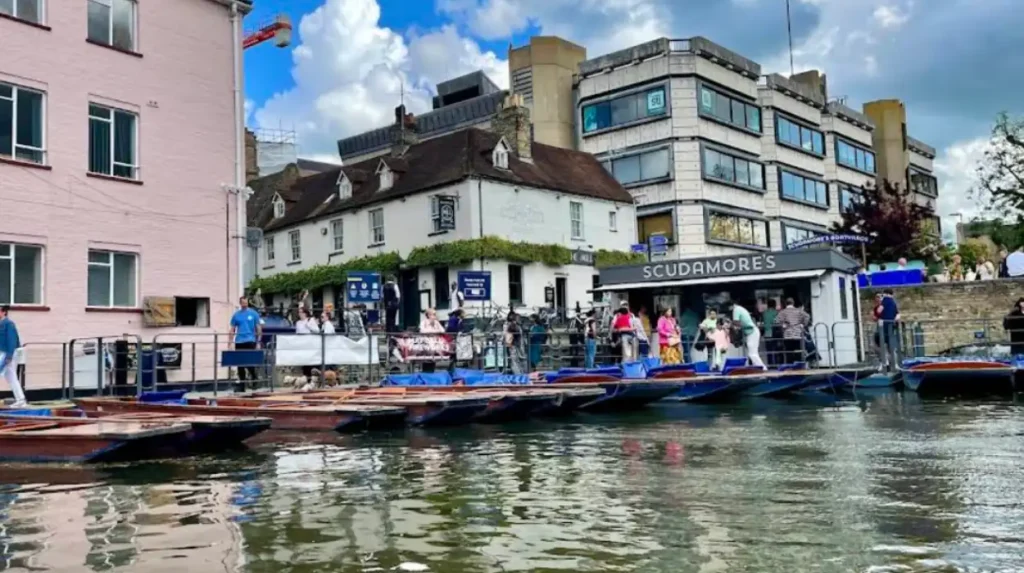
Fen Ditton offers riverside walking, cycling, wildlife observation, historic landmarks, rowing views, traditional village streets, and open green spaces. These attractions create a peaceful environment where visitors experience Cambridge’s natural landscape without the crowds found in the city centre.
The River Cam forms the centrepiece of every visit. Visitors regularly walk along the riverside footpaths that connect Fen Ditton with Stourbridge Common, Ditton Meadows, Horningsea, and central Cambridge. The route provides uninterrupted views across water meadows, mature willow trees, grazing livestock, and rowing crews training on the river throughout the year. These landscapes remain protected as part of Cambridge’s Green Belt and conservation areas.
Cycling is equally popular because the village connects directly with several traffic-free routes following the River Cam. The combination of level terrain, open countryside, and scenic riverbanks makes Fen Ditton suitable for family cycling, recreational rides, and longer journeys into surrounding Cambridgeshire villages. The nearby Ditton Meadows also provide attractive walking routes across riverside grasslands.
Nature enthusiasts frequently visit Fen Ditton to observe swans, ducks, geese, kingfishers, herons, dragonflies, and seasonal wildflowers that thrive beside the River Cam. The surrounding flood meadows support valuable habitats for birds and aquatic wildlife while contributing to Cambridge’s wider ecological network. These protected landscapes remain an important part of the county’s biodiversity strategy.
Why is the River Cam central to Fen Ditton’s identity?
The River Cam shaped Fen Ditton’s history, economy, transport, recreation, and landscape. It supported medieval trade, connected regional settlements, and today provides rowing, walking, wildlife conservation, and scenic value that define the village’s unique riverside character.
The River Cam served as Fen Ditton’s primary transport route for several centuries. During the medieval period, merchants transported agricultural products including wool, grain, and food supplies by boat before unloading them at village wharves. Many of these goods continued to the internationally renowned Stourbridge Fair, which attracted traders from across Europe.
Commercial navigation gradually declined after the railway reached Cambridge during the nineteenth century. River activity shifted from transporting goods to recreation, rowing, fishing, and tourism. Today, the Cam remains one of Britain’s best-known rowing rivers, with university crews, local clubs, and recreational boaters using the water throughout the year. St Mary’s Church overlooking the river has become an iconic landmark for rowers and walkers.
The River Cam also performs important environmental functions. Its floodplain supports wet grasslands, wildlife habitats, native trees, and ecological corridors extending through Cambridge into the wider countryside. Conservation planning recognises these riverside landscapes as an essential part of the city’s natural heritage and visual identity.
Which historic landmarks make Fen Ditton worth visiting?
Fen Ditton preserves medieval churches, listed cottages, traditional farm buildings, historic inns, conservation streets, and riverside heritage. These landmarks demonstrate how the village has maintained its historic appearance while remaining an active residential community beside Cambridge.
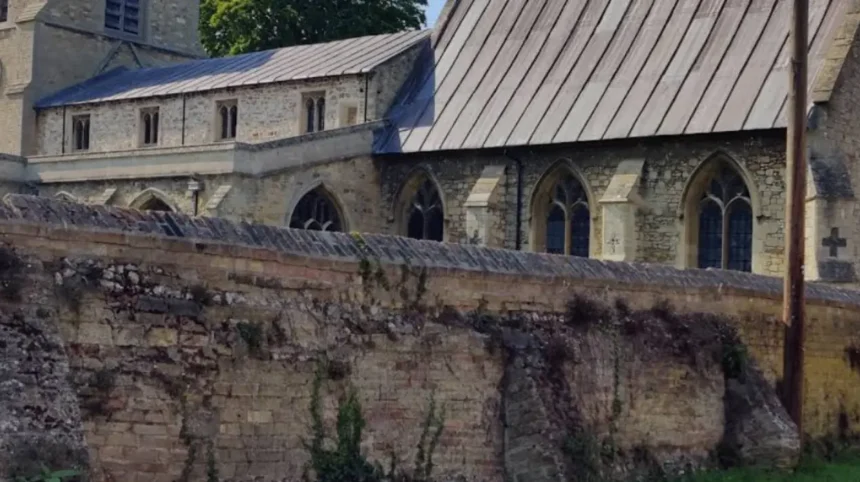
The village’s most recognisable landmark is St Mary the Virgin Church. The church originated during the twelfth century, while its tower largely dates from the thirteenth century. Built from Barnack stone, clunch, and limestone, it overlooks the River Cam and remains an important architectural feature visible across the surrounding meadows. Its distinctive weather vane represents a rowing eight, celebrating the area’s close connection with Cambridge rowing traditions.
Fen Ditton’s High Street and Church Street contain numerous historic cottages, farmhouses, almshouses, and traditional village buildings constructed over several centuries. Mature trees, grass verges, varied rooflines, and carefully preserved building materials contribute to one of South Cambridgeshire’s most attractive conservation areas. Planning controls help protect these historic streets from inappropriate development.
Historic public houses also contribute to Fen Ditton’s heritage. Several buildings date back hundreds of years and originally served travellers, merchants, and agricultural communities using the River Cam. Together with the church, recreation ground, and village green, they continue to form the social and architectural heart of the community.
How do walking and cycling routes connect Fen Ditton with Cambridge?
Fen Ditton connects directly to Cambridge through well-maintained riverside footpaths, shared cycling routes, and open green corridors. These routes provide safe and scenic access between the village, Ditton Meadows, Stourbridge Common, Cambridge North, and the historic city centre while preserving the natural character of the River Cam.
One of the most popular routes follows the River Cam from Cambridge city centre through Stourbridge Common before reaching Ditton Meadows and Fen Ditton. The largely traffic-free path attracts walkers, runners, cyclists, photographers, and birdwatchers throughout the year. The combination of riverside scenery and open grassland makes it one of the most attractive leisure routes in Cambridgeshire.
The surrounding countryside also links Fen Ditton with neighbouring villages including Horningsea, Teversham, and Quy through public rights of way. These historic footpaths pass meadows, farmland, and conservation landscapes that have remained largely unchanged for generations. Their accessibility allows visitors to combine short village walks with longer countryside routes extending beyond Cambridge.
Cyclists benefit from relatively flat terrain and connections into Cambridge’s wider cycle network. Many commuters and recreational riders use Fen Ditton as a quieter alternative to busier urban roads. The village’s proximity to Cambridge North railway station also enables visitors to combine rail travel with walking or cycling along the River Cam.
How does Fen Ditton preserve its rural character despite Cambridge’s growth?
Fen Ditton retains its rural identity through conservation policies, protected riverside landscapes, listed buildings, historic street patterns, and carefully managed development. These measures ensure that the village continues to reflect its agricultural and riverside heritage while accommodating modern community needs.
The Fen Ditton Conservation Area was designated in 1973 and later extended to include additional stretches of the River Cam. Conservation policies protect historic cottages, mature trees, grass verges, traditional building materials, and important views across the surrounding meadows. This planning framework helps preserve the village’s distinctive appearance and historic setting.
Unlike many communities bordering Cambridge, Fen Ditton has experienced limited backland development. The village remains largely linear in form, with buildings arranged along historic streets rather than extensive modern housing estates. This settlement pattern maintains long views towards the countryside and reinforces the village’s traditional landscape character.
The River Cam corridor and Ditton Meadows also play an important conservation role. These open spaces provide ecological habitats, floodplain management, recreational opportunities, and visual separation between Cambridge’s urban edge and the historic village. Together, they create one of the most significant green landscapes surrounding the city and contribute to Fen Ditton’s peaceful atmosphere.
Fen Ditton Cambridge offers one of the most authentic riverside experiences in Cambridgeshire. Its location beside the River Cam, centuries of recorded history, protected conservation areas, and accessible walking and cycling routes distinguish it from many villages surrounding Cambridge. The combination of historic architecture, open meadows, and tranquil landscapes creates a setting where visitors can appreciate both the county’s natural beauty and its cultural heritage. The village continues to preserve its traditional identity while remaining closely connected to Cambridge’s educational, recreational, and transport networks.
The River Cam remains the defining feature of Fen Ditton. For centuries it supported trade through medieval wharves serving the internationally important Stourbridge Fair. Today it supports rowing, walking, cycling, wildlife conservation, and outdoor recreation. Protected green spaces including Ditton Meadows and the wider River Cam Corridor ensure that future generations can continue to enjoy these landscapes while maintaining the historic relationship between the village and its surrounding countryside.
For anyone seeking a peaceful afternoon beyond Cambridge’s busy city centre, Fen Ditton provides a destination where history, heritage, and riverside scenery combine in a uniquely English village setting. Its preserved character, easy accessibility, and rich historical significance ensure that it remains one of Cambridge’s most rewarding places to explore.
Frequently Asked Questions
Is Fen Ditton worth visiting for a day trip?
Yes. Fen Ditton is ideal for a half-day or full-day visit because it combines riverside walks, historic landmarks, conservation landscapes, and peaceful village streets within minutes of Cambridge city centre. Visitors can easily combine it with nearby attractions such as Ditton Meadows and Stourbridge Common.
Can you walk from Cambridge city centre to Fen Ditton?
Yes. A popular riverside footpath follows the River Cam from central Cambridge through Stourbridge Common and Ditton Meadows before reaching Fen Ditton. The largely traffic-free route is suitable for walking, cycling, jogging, and wildlife watching throughout the year.
Why is Fen Ditton famous?
Fen Ditton is known for its medieval history, its connection with the River Cam, and its role in supplying goods to the historic Stourbridge Fair. It is also recognised for St Mary the Virgin Church, listed buildings, and one of the most attractive conservation areas surrounding Cambridge.
What wildlife can visitors see around Fen Ditton?
The River Cam corridor supports swans, ducks, geese, herons, kingfishers, dragonflies, and a wide variety of seasonal wildflowers. Ditton Meadows and the surrounding floodplain also provide important habitats for native birds and riverside wildlife protected within Cambridge’s green corridor.
When is the best time to visit Fen Ditton?
Spring, summer, and early autumn provide the best conditions for riverside walks, cycling, rowing events, and wildlife observation. Winter also offers attractive countryside scenery and quieter walking routes, making the village an enjoyable destination throughout the year.