
There are matches you expect to remember because of who wins. Then there are those you remember because, for a fleeting moment, you genuinely believed football was about to produce another miracle. Argentina versus Cape Verde was one of those nights.
I stayed up late to watch the match from my living room expecting the reigning world champions to progress. Lionel Messi and Argentina against a debutant nation making their first real statement on the world stage felt like a mismatch that would eventually settle itself. That’s usually how these games go.
But Cape Verde had already been making history long before they met with Argentina in the Round of 32.
A team already making history
As the third-smallest country by population ever to qualify for a FIFA World Cup, and ranked 67th in the world, few expected the Blue Sharks to make an impression, let alone reach the knockout stages. Their opening Group H fixture against Spain was widely predicted to be a routine victory for the reigning European champions. Instead, Cape Verde frustrated one of the tournament favourites for 90 minutes, holding them to a remarkable goalless draw. At the heart of that performance was 40-year-old goalkeeper Vozinha, whose string of outstanding saves announced both himself and his country to the footballing world.
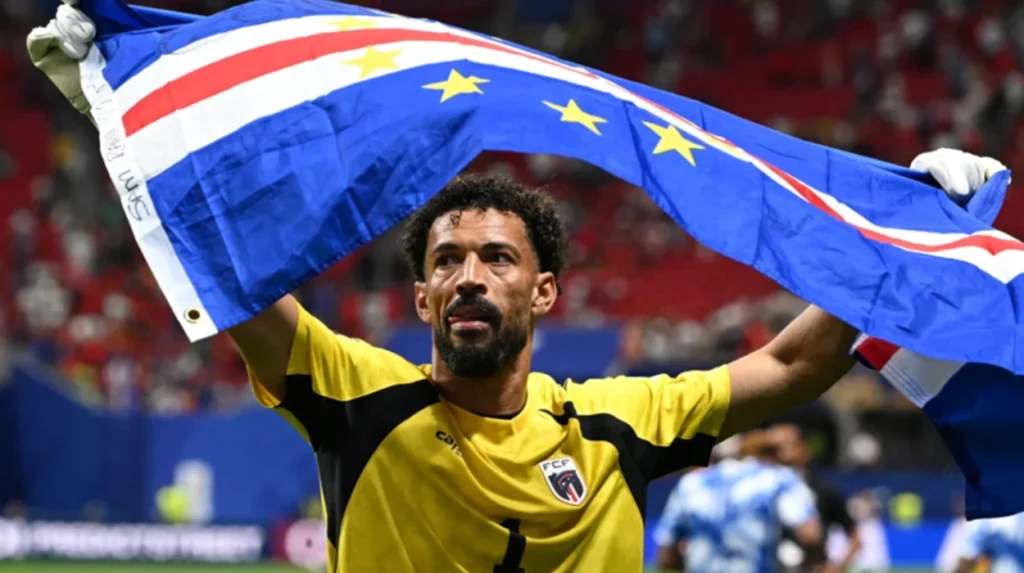
The result changed perceptions. Cape Verde were no longer viewed as a side simply grateful to be there. They followed that historic draw with Spain by coming from behind to earn an impressive 2–2 draw against Uruguay, showing they could compete with another established footballing nation. A disciplined goalless draw with Saudi Arabia then secured their place in the knockout stages, completing an unbeaten group campaign that few could have imagined before the tournament began. By the time they arrived in Miami to face Argentina, Cape Verde were no longer the tournament’s surprise package—they had become one of its defining stories.
Even with all of that in mind, I still expected their remarkable run to end there.
Against Argentina in Miami
When I sat down in my living room to watch their Round of 32 tie against Argentina, I anticipated a controlled, familiar kind of dominance from the reigning world champions. Lionel Messi against a World Cup debutant still felt like a mismatch that would eventually settle itself. A professional job, done without much drama.
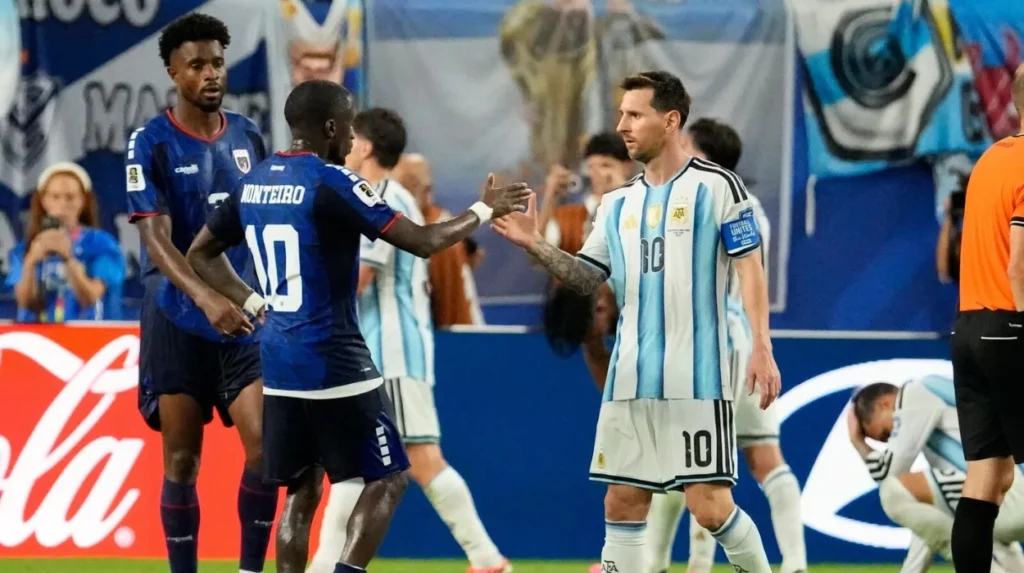
Instead, what unfolded felt like something from the realm of fiction.
Cape Verde did not approach this game like a team simply hoping to survive. There was a clarity to their performance, a sense that they were not waiting for permission to compete at this level. They played with belief and a refusal to be overawed by the occasion, even against opponents of Argentina’s stature.
That impression only grew as the match wore on. Every clearance carried purpose, every attack carried intent, and even when Lionel Messi produced the inevitable with a sublime first-half finish, there was no sense that Cape Verde had accepted defeat. If anything, the goal seemed to strengthen their resolve.
Vozinha, who had already established himself as one of the breakout stars of the tournament, continued to frustrate Argentina with save after save. At 40 years old, he produced another masterclass, denying Messi and keeping Cape Verde within touching distance of one of football’s greatest powers. Every stop made it easier to believe that this was no longer just an underdog performance—it was becoming one of those World Cup stories that people would still be talking about years from now.
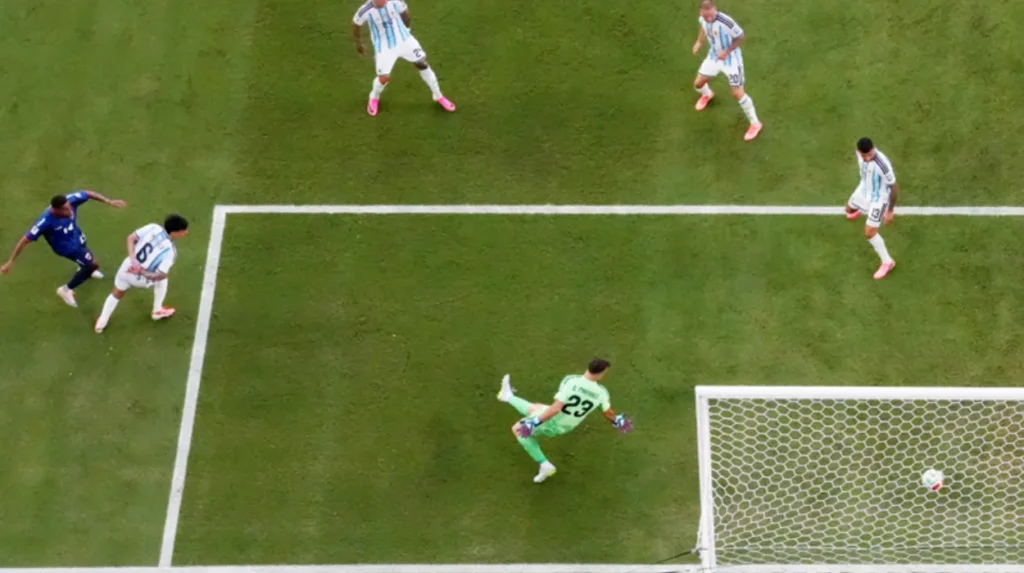
The belief became reality just before the hour mark.
When Deroy Duarte fired Cape Verde level, I instinctively closed my laptop and rushed upstairs to tell my dad. We’ve both followed the World Cup for years, and it felt like one of those moments that had to be shared immediately. It wasn’t just that Cape Verde had scored; it was that they deserved to. As the commentator exclaimed, ‘They’re at it again!’ it captured exactly what so many of us were beginning to feel. This was no longer just an underdog refusing to go quietly—it was a team making the footballing world believe that the impossible might actually happen.
Extra time and disbelief
Extra time somehow delivered even more drama. Lisandro Martínez restored Argentina’s lead almost immediately, and it felt as though the script had finally corrected itself. Cape Verde had pushed the holders as far as they could, but eventually quality would prevail.
Except, they refused to let the story end there.
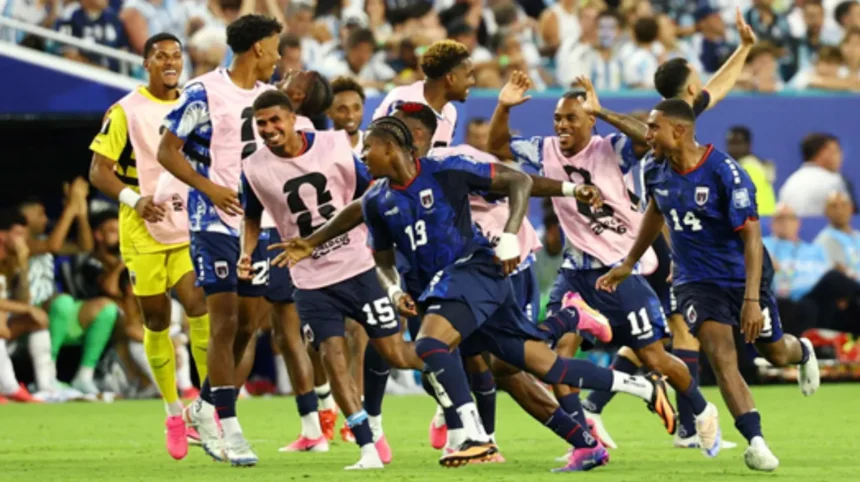
Sidny Lopes Cabral picked up the ball on the left, drifted inside and curled a breathtaking strike into the top corner beyond Emiliano Martínez. It was one of those goals that seemed to suspend time. His celebration—climbing into the crowd to embrace his family—captured everything this tournament had come to mean for Cape Verde. For a nation of just over 600,000 people, this was more than an equaliser. It was a moment of footballing immortality, a strike of breathtaking quality that embodied the courage, belief and brilliance of Cape Verde’s remarkable World Cup journey.
The ending, inevitably, was cruel. Cristian Romero’s header from a Lionel Messi corner took a decisive touch off Diney Borges and found its way into the net, leaving the scoreboard reading 3–2. An own goal was a harsh way for Cape Verde’s extraordinary journey to end, yet even then they refused to surrender. They continued to push forward, forcing Emiliano Martínez into two more outstanding saves before the final whistle finally brought their herculean campaign to a close.
Argentina progressed. But as their players collapsed onto the pitch, utterly shattered and relieved, it was Cape Verde who held my attention for 120 minutes of football. They had not won the match, but they had achieved something that many champions never do. They had united football supporters across the world, reminded us why the World Cup matters, and proved that the greatest stories are not always written by the team lifting the trophy.
Their story will be told for decades to come.