

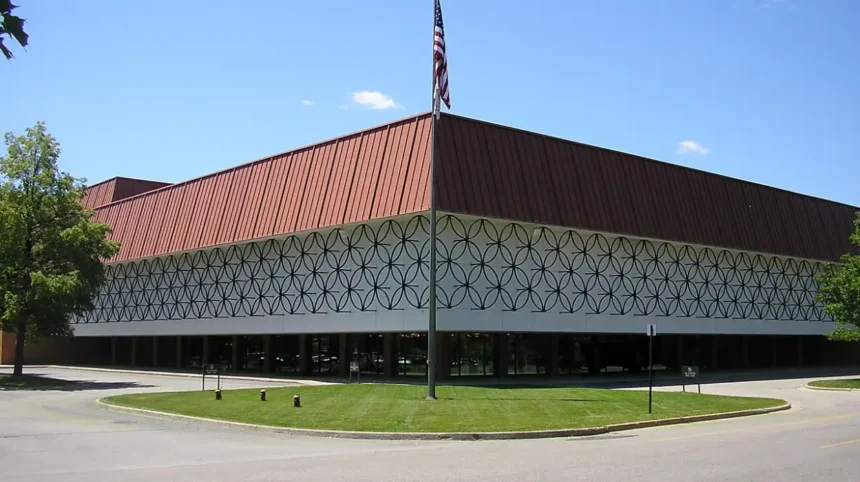
Arbury Park Outdoor School is a specialized government residential facility in South Australia providing environmental education. It operates under the Department for Education to deliver curriculum-aligned outdoor learning experiences for primary and secondary students across the state, focusing on ecological sustainability.
- Where is Arbury Park Outdoor School located?
- What is the history of Arbury Park Outdoor School?
- How is the curriculum structured at Arbury Park Outdoor School?
- What facilities are available at Arbury Park Outdoor School?
- What are the ecological features of the site?
- How does the school promote sustainable living?
- What role do teachers play at Arbury Park Outdoor School?
- What are the benefits of attending Arbury Park Outdoor School?
- How does the school manage safety and risk?
- What is the future of Arbury Park Outdoor School?
Arbury Park Outdoor School serves as a primary site for residential outdoor education within the South Australian public school system. The school occupies a 32-hectare site located in the Adelaide Hills, specifically near the township of Bridgewater. It functions as a purpose-built campus where students live and learn in a natural environment for several days. The facility supports the Australian Curriculum by integrating science, geography, and physical education into practical field studies.
Since its establishment, the school has focused on fostering a connection between students and the natural world through hands-on activities. It accommodates groups from diverse socioeconomic backgrounds, ensuring equitable access to outdoor learning. The campus features various ecosystems including stringybark forests, wetlands, and grasslands which serve as living classrooms. Students engage in activities that promote teamwork, leadership, and environmental stewardship under the guidance of specialized teaching staff.
Where is Arbury Park Outdoor School located?
The school is located at Bridgewater in the Adelaide Hills region of South Australia. It sits approximately 22 kilometers southeast of the Adelaide city center, providing a distinct highland environment that remains accessible to metropolitan and regional school groups.
The physical location of Arbury Park Outdoor School is critical to its educational mission. The site is situated within the traditional lands of the Peramangk people, the Indigenous custodians of the Adelaide Hills. The 32-hectare property consists of varied terrain including steep slopes, creek lines, and plateau areas. This geographical diversity allows for the study of different microclimates and biological communities within a single day.
The elevation and rainfall patterns of the Adelaide Hills support a high level of biodiversity, including various species of eucalyptus and native orchids. This proximity to urban Adelaide allows schools to transport students via bus within a short timeframe, reducing logistical barriers for residential stays. The boundary of the school borders the Heysen Trail, a long-distance walking track that spans 1200 kilometers across South Australia. This connection to broader trail networks facilitates extended hiking and navigation exercises for older student cohorts.
What is the history of Arbury Park Outdoor School?
The South Australian government established Arbury Park Outdoor School in 1976 as a dedicated center for outdoor education. It was created to provide students with immersion experiences that were not possible within the confines of a traditional urban classroom setting.
The development of the school in the mid-1970s reflected a global shift toward environmental consciousness and experiential learning. The site was originally private land before being acquired by the state government for educational purposes. Initial infrastructure focused on providing basic dormitory accommodation and communal dining areas to support overnight stays. Over the decades, the facility underwent several upgrades to include modern laboratories, resource centers, and sustainable energy demonstrations.
The curriculum evolved from simple recreational camping to a sophisticated, research-based environmental science program. In 2016, the school celebrated its 40th anniversary, marking four decades of continuous service to South Australian students. During this time, the school has hosted hundreds of thousands of learners, becoming a foundational part of the state’s educational heritage. Historical records indicate the school has consistently adapted its teaching methods to align with changing state and national education standards.
How is the curriculum structured at Arbury Park Outdoor School?
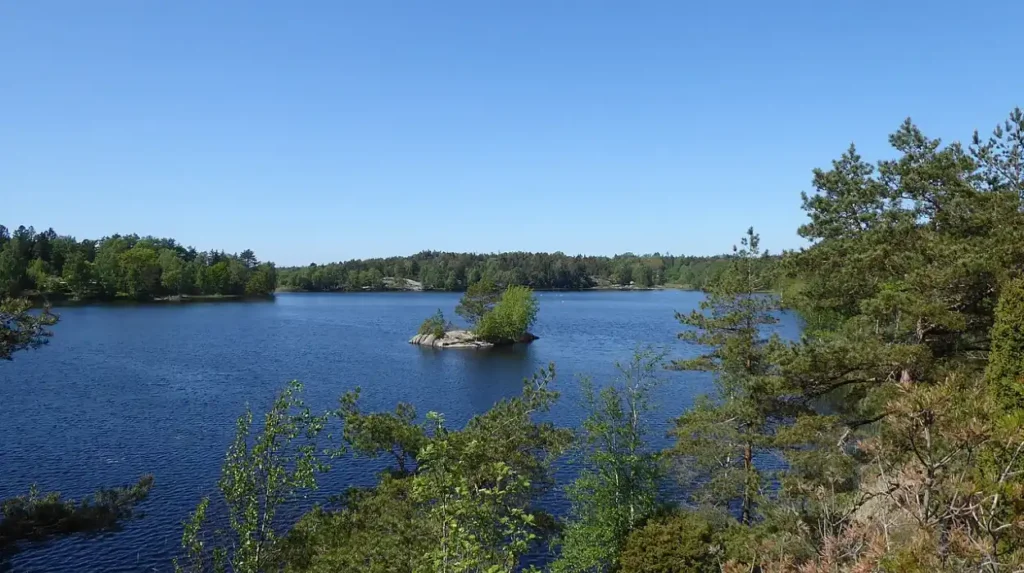
The curriculum aligns with the Australian Curriculum, focusing on Science, Humanities and Social Sciences, and Health and Physical Education. It utilizes the local environment to teach concepts such as biodiversity, water cycles, land management, and sustainable living practices.
Education at the school is categorized into thematic units that vary based on the age and year level of the visiting students. Lower primary students focus on sensory awareness and basic ecological relationships, such as the needs of living things. Upper primary students engage in more complex studies regarding water quality testing and macro-invertebrate identification in the onsite wetlands. Secondary students utilize the site for intensive data collection, environmental impact assessments, and leadership development programs.
Each program is designed to be inquiry-based, encouraging students to ask questions and conduct field observations. For example, the “Freshwater Ecology” unit involves 3 components: water chemistry analysis, biological sampling, and catchment management theory. Teachers at the school work with visiting classroom teachers to ensure the camp activities reinforce the learning occurring in the home school. This integration ensures that the outdoor experience is an extension of the formal education process rather than a standalone recreational trip.
What facilities are available at Arbury Park Outdoor School?
The campus provides residential infrastructure including dormitories, a dining hall, and specialized learning spaces. It features 32 hectares of managed natural bushland, an artificial wetland system, a working vegetable garden, and various animal enclosures for educational demonstrations.
The residential capacity of the school allows for approximately 70 to 80 students and accompanying staff to stay at any given time. Sleeping quarters are divided into gender-segregated dormitories equipped with bunk beds and communal bathroom facilities. The dining hall serves as a central hub where students participate in communal meals and learn about food waste management. Educational facilities include a resource center stocked with field equipment such as binoculars, magnifying glasses, and water testing kits.
The “Earthship” or similar sustainable structures on site demonstrate passive solar design and alternative building materials to visiting groups. Outdoor infrastructure includes marked nature trails, bird hides for wildlife observation, and fire pits for evening educational sessions. The school maintains a productive garden and poultry area to teach students about the origins of food and organic recycling. These facilities are maintained to high safety standards, ensuring a secure environment for minors in a remote bushland setting.
What are the ecological features of the site?
The site contains diverse ecosystems including 3 primary types: wet sclerophyll forest, managed grasslands, and freshwater wetlands. These areas support a range of native Australian flora and fauna, providing a practical laboratory for biological and environmental studies.
The dominant vegetation at the school consists of Eucalyptus obliqua (stringybark) forests, which are characteristic of the higher rainfall areas of the Adelaide Hills. This forest canopy provides a habitat for various bird species such as the Adelaide Rosella and the Laughing Kookaburra. The understory is home to native shrubs and groundcovers that students identify during botanical surveys. The freshwater wetlands are a critical feature, consisting of several interconnected ponds that filter runoff and support aquatic life.
These ponds contain various species of frogs, including the Common Eastern Froglet, which students monitor as bio-indicators of environmental health. Mammals such as the Western Grey Kangaroo and the Common Brushtail Possum are frequently sighted on the property, allowing for discussions on mammalian biology. The school manages the land to remove invasive weed species, such as gorse and blackberry, providing a case study in land restoration. This managed environment allows students to see the direct results of conservation efforts over a long-term period.
How does the school promote sustainable living?
Arbury Park Outdoor School incorporates sustainability into every aspect of its operations, including 4 key areas: waste reduction, water conservation, energy efficiency, and biodiversity protection. Students actively participate in these systems during their stay to understand resource management.
Sustainability is taught as a lived experience rather than a theoretical concept. The school employs a “zero waste” philosophy in its dining hall, where food scraps are weighed and composted for use in the onsite gardens. Water conservation is practiced through the use of rainwater tanks and low-flow fixtures throughout the residential buildings. The school utilizes solar panels to generate a portion of its electricity, providing a talking point for renewable energy technology.
Students are responsible for monitoring their resource consumption during their stay, which fosters a sense of personal accountability. For instance, the “Waste Watch” program involves students sorting their refuse into 3 categories: recyclables, compost, and landfill. By participating in these systems, students learn the practicalities of reducing their ecological footprint. The school also practices fire management and revegetation, teaching students how to protect the environment from natural and human-induced threats. These practices are designed to be replicable at home or in the students’ own school environments.
What role do teachers play at Arbury Park Outdoor School?
The school is staffed by permanent specialist teachers who are experts in outdoor and environmental education. These educators facilitate all learning sessions, manage student safety in the field, and adapt the curriculum to meet the specific needs of each group.
The teaching staff at Arbury Park are registered educators with the South Australian Department for Education. They possess specialized knowledge in areas such as ecology, geography, and outdoor leadership. Unlike traditional classroom teachers, they must manage learning in dynamic outdoor environments where weather and terrain vary. Their role includes 3 main responsibilities: delivering technical instruction, ensuring physical and emotional safety, and facilitating reflective discussions.
During a typical day, an Arbury Park teacher might lead a group through a forest hike, conduct a laboratory session on soil pH, and facilitate a group-building exercise. They work closely with visiting staff to provide a seamless transition from the classroom to the field. The teachers also act as role models for environmental stewardship, demonstrating sustainable behaviors in their daily interactions. Their expertise allows them to identify local flora and fauna instantly, providing immediate feedback to student inquiries. This high level of specialization is a defining feature of the school’s educational model.
What are the benefits of attending Arbury Park Outdoor School?
Research indicates that residential outdoor education improves student outcomes in 3 areas: academic engagement, social-emotional development, and environmental literacy. Students gain a deeper understanding of scientific concepts while building resilience and cooperation skills through shared living.
The immersive nature of the program allows for deep learning that is difficult to achieve in 40-minute classroom periods. By staying overnight, students experience the natural world through different cycles, such as dusk and dawn, which enhances their ecological perspective. Socially, the residential setting requires students to collaborate on daily tasks like cleaning and meal preparation, which builds interpersonal skills. Many students report an increase in self-confidence after completing physical challenges such as long-distance hiking or navigating unfamiliar terrain.
Economically, the school provides a cost-effective way for government schools to access high-quality outdoor education that might otherwise be unaffordable. Long-term studies on outdoor education suggest that these childhood experiences lead to more environmentally conscious behavior in adulthood. The school also provides a break from digital screens, encouraging students to engage directly with their physical surroundings. This holistic approach supports the development of the “whole child” as outlined in national educational frameworks.
How does the school manage safety and risk?
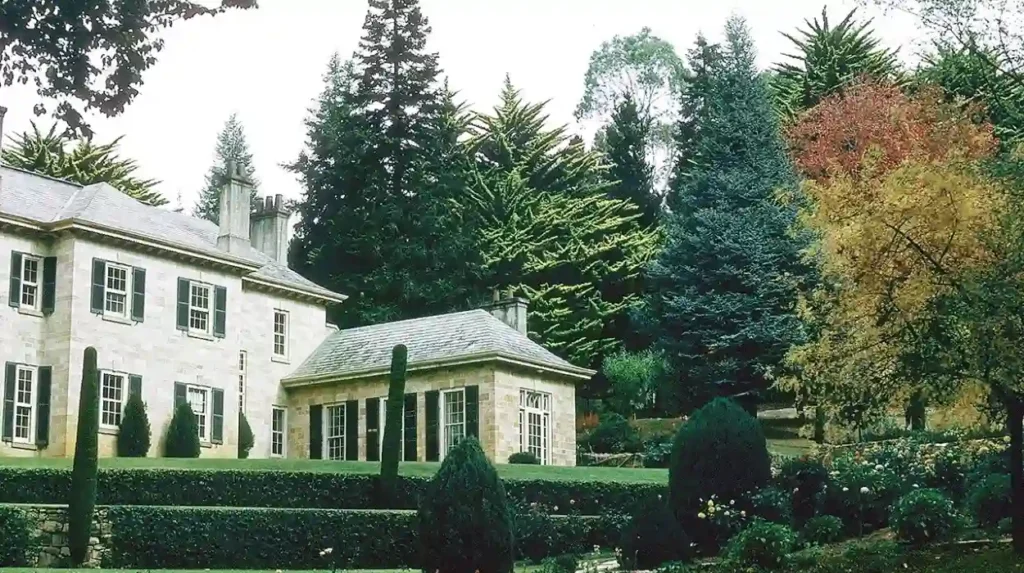
The school operates under strict safety protocols governed by the Department for Education’s outdoor education policies. It maintains comprehensive risk management plans for all activities, including 3 specific areas: bushfire safety, first aid, and student supervision.
Safety is the highest priority given the outdoor and residential nature of the school. All staff are trained in advanced first aid and emergency response procedures specific to remote environments. The school has a dedicated bushfire response plan, which includes monitoring fire danger ratings and maintaining an on-site refuge. During periods of high fire danger, the school may alter its programs or evacuate the site in accordance with state emergency services advice. Each activity, from wetland sampling to night walks, undergoes a rigorous risk assessment to identify and mitigate potential hazards.
Equipment such as hiking boots, rain gear, and safety helmets are provided to ensure students are properly protected from the elements. The school maintains a high staff-to-student ratio during field excursions to ensure constant supervision. Communication systems, including two-way radios and mobile satellite links, are used to maintain contact between groups in the field and the central office. These measures provide parents and home schools with the assurance that students are learning in a controlled and secure environment.
What is the future of Arbury Park Outdoor School?
The school continues to evolve by integrating new technologies and responding to contemporary environmental challenges like climate change. It remains a vital component of South Australia’s strategy to produce environmentally literate citizens in the 21st century.
Future developments at the school focus on expanding its reach and deepening its scientific impact. This includes the potential for 3 initiatives: upgraded sustainable infrastructure, enhanced digital tracking for citizen science projects, and expanded professional development for visiting teachers. As climate change becomes a more prominent part of the global discourse, the school serves as a critical site for teaching adaptation and mitigation strategies.
The facility is increasingly used as a hub for environmental research, where long-term data on local biodiversity is collected and analyzed. There is a growing emphasis on incorporating Indigenous perspectives and traditional ecological knowledge into the core curriculum. This involves collaborating with Peramangk elders to ensure that the history of the land is accurately represented. The school also aims to increase its accessibility for students with disabilities, ensuring that the benefits of outdoor education are available to all. By remaining at the forefront of pedagogical trends, Arbury Park Outdoor School ensures its relevance for future generations of learners.
What are the goals of outdoor learning?
The primary goals within the Arbury Park Outdoor School: A Comprehensive Guide to Outdoor Education include fostering environmental stewardship, enhancing physical health, and improving academic engagement. These objectives empower students to develop a sustainable relationship with the natural world through experience.
What are the principles of outdoor learning?
As detailed in Arbury Park Outdoor School: A Comprehensive Guide to Outdoor Education, the core principles focus on experiential pedagogy, place-based inquiry, and holistic development. These tenets ensure that learning is active, authentic, and deeply connected to the local environment.
What is the outdoor classroom curriculum?
The curriculum highlighted in Arbury Park Outdoor School: A Comprehensive Guide to Outdoor Education integrates the Australian Curriculum with field-based science and geography. It utilizes the 32-hectare site to teach biodiversity, water ecology, and sustainable living through practical application.
What are the top 3 learning objectives?
Within Arbury Park Outdoor School: A Comprehensive Guide to Outdoor Education, the top three objectives are mastering ecological concepts, developing social collaboration through residential living, and building personal resilience. These pillars prepare students for complex real-world environmental and social challenges.
What are the 5 C’s of learning?
In the context of Arbury Park Outdoor School: A Comprehensive Guide to Outdoor Education, the 5 C’s consist of character, citizenship, collaboration, communication, and creativity. These competencies are cultivated through hands-on group activities and immersive environmental problem-solving during the program.