

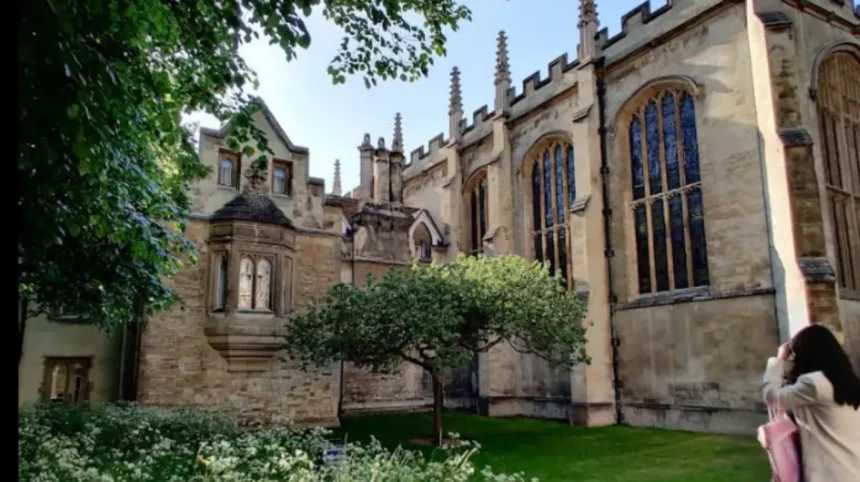
Cambridge offers compact, walkable, and high-value experiences for tourists, residents, digital nomads, and business travellers. The city combines collegiate heritage, river scenery, museums, gardens, independent food spots, and practical work-friendly spaces in one destination.
- What makes Cambridge worth visiting?
- Which Cambridge sights define the city?
- How should you spend one day in Cambridge?
- Where are the best hidden things to do in Cambridge?
- Which Cambridge museums deserve time?
- Where can you walk in Cambridge?
- Is Cambridge good for digital nomads?
- What should business travellers do with spare time?
- When is the best time to visit Cambridge?
- Why does Cambridge rank well for broad travel search?
- FAQs About Cambridge Travel
What makes Cambridge worth visiting?
Cambridge travel is one of England’s most complete city-break destinations because it combines a world-famous university setting with public museums, green spaces, river walks, and a dense city centre that is easy to explore on foot. Its appeal works for short visits, repeat visits, and flexible remote-work stays.
The city’s core strength is concentration. Many major sights sit within a small radius, which keeps travel time low and makes it easy to combine culture, food, shopping, and leisure in one day. That matters for tourists who want to see more without long transfers, and for business travellers who need efficient downtime between commitments. Evergreen city guides also perform well when they answer broad visitor intent with practical, timeless information.
Cambridge is also an entity-rich destination. The university, museums, parks, the River Cam, and the surrounding market streets each create a different search need. A strong guide covers all of them in one place, which supports search visibility and helps readers compare options quickly. The best evergreen content focuses on stable, repeatedly useful information rather than short-lived events.
Which Cambridge sights define the city?
Cambridge is defined by its colleges, riverfront, museums, chapels, and gardens. The most recognisable names include King’s College Chapel, Trinity College, the Fitzwilliam Museum, the River Cam, and the Botanic Garden, all of which give the city its academic and architectural identity.
The university setting is the city’s central visual and historical frame. Visitors notice stone courts, chapel towers, bridges, and enclosed lawns because these features form the image most associated with Cambridge. The city’s colleges are not only landmarks but also active institutions, so the experience combines heritage with daily academic life.
A useful way to plan Cambridge is to divide it into experiences. The city centre delivers architecture and shopping. The river corridor delivers punting, walking, and photography. The museum district delivers indoor cultural time. The garden and green-spaces side of the city delivers a slower pace and seasonal colour. This structure supports both first-time itineraries and repeat-visit planning.
As you explore the modern city, you are walking through land with a deep heritage. Read our complete guide to the [insert extracted historical anchor text here] to understand its structural and political origins.
How should you spend one day in Cambridge?
A one-day Cambridge visit works best as a simple loop: arrive early, walk the historic centre, visit one or two major attractions, take a riverside break, then finish with dinner near the station or city centre. This keeps the day efficient and realistic for most visitors.
Start with the central colleges and the market area. That gives you immediate context, since the city’s most important sights sit close together. After that, choose one indoor attraction such as the Fitzwilliam Museum or one outdoor experience such as a punt or river walk. Mixing indoor and outdoor stops reduces fatigue and keeps the itinerary flexible in poor weather.

For lunch, the city centre offers compact choices near the main visitor zone. That is useful for families, older visitors, and people with limited time between meetings. In the afternoon, continue with a second major sight or spend time in a quieter district such as the Botanic Garden area. End the day with an early evening walk along the river or through the college surroundings for a final scenic pass through the centre.
A day trip also benefits from low complexity. Cambridge rewards slow movement rather than long transport chains. That makes it suitable for domestic travellers, international tourists, and business visitors who want a high-density experience without planning several separate transport legs.
Where are the best hidden things to do in Cambridge?
Cambridge has many hidden experiences beyond the headline colleges. The best lesser-known activities include quiet gardens, side streets, local bookshops, smaller museums, riverside paths, neighbourhood cafés, and less crowded bridges that give a calmer view of the city.
Hidden activities matter because not every visitor wants the standard postcard route. Residents often prefer places that feel local rather than ceremonial. Digital nomads and business travellers often want quieter spaces with dependable coffee, seating, and a slower atmosphere. Cambridge serves that need through independent cafés, compact neighbourhood streets, and walkable off-main-route corners.
Smaller museums and niche cultural stops strengthen the city’s depth. Visitors often focus on one major attraction and then search for a second place that does not require a large time commitment. That is where Cambridge performs well. The city offers short-form cultural visits, such as a brief gallery stop, a garden walk, or a riverside detour that fits between other plans.
The strongest hidden experiences are usually the ones that combine low cost, low time commitment, and low crowd pressure. Those qualities make them useful for return visits and for travellers who already know the major landmarks. A city guide that includes both famous sights and quieter alternatives covers a much broader search intent than a landmarks-only article.
Which Cambridge museums deserve time?
Cambridge has museums that suit different interests, including art, science, archaeology, and history. The Fitzwilliam Museum is the best-known general museum, while other university and specialist collections add depth for visitors who want indoor activities with educational value.
Museums are essential in Cambridge because they extend the city beyond architecture. They give structure to rainy days, cold months, and half-day visits. They also matter for tourists who want context rather than only photos, since museums explain the academic and cultural setting that surrounds the city centre.
A strong museum plan depends on time. If you have only a short visit, choose one major museum and one smaller collection rather than trying to cover too much. That approach improves retention and reduces decision fatigue. It also fits the city’s compact geography, since many indoor attractions remain close to the central visitor zone.
Museum visits also support family travel and solo travel. Families often need a controlled indoor option with clear pacing. Solo travellers often prefer places where they can move at their own speed. Cambridge’s museum landscape supports both patterns because it combines large-scale institutions with smaller, more focused spaces.
Where can you walk in Cambridge?
Cambridge is one of the best walking cities in England because its core streets, college exteriors, parks, and river paths sit close together. The best walking routes include the city centre, the River Cam edges, and the green corridors near the Botanic Garden and commons.
Walking is the city’s default mode of discovery. The compact centre means many visitors do not need to rely on cars once they arrive. That improves the visitor experience because it removes parking stress and makes the day easier to manage. It also benefits travellers who want to experience the city at a human scale.
A practical walking plan combines three elements. First, use the centre for landmark views and navigation. Second, use the river for quieter scenery and photo stops. Third, use parks and gardens for rest. That sequence creates variety without adding transport complexity. For many visitors, the city’s best moments come between major attractions, not only inside them.
Walking also supports repeat visits. People who have already seen the headline sights often return for different streets, bridges, and neighbourhood routes. This makes Cambridge a strong evergreen destination because the same geography supports both first-time and return itineraries.
Is Cambridge good for digital nomads?
Cambridge suits digital nomads because it offers a compact centre, cafés, libraries, transport links, and a large student and professional population that supports work-friendly services. It is practical for focused work sessions, short stays, and mixed work-leisure schedules.
A digital nomad needs more than a scenic location. The city must support reliable daily routines, food access, quiet work periods, and simple movement across town. Cambridge meets those needs through its city-centre density and its concentration of commercial and academic activity. That creates multiple options for working between meetings, sightseeing, or travel connections.
The best work pattern in Cambridge is flexible. Mornings suit focused work in quieter spaces. Midday suits lunch and short walks. Afternoons suit meetings, museum visits, or river time. That schedule works well because the city is easy to cross quickly and does not demand a full day of transport planning.
Digital nomads also value atmosphere. Cambridge offers a professional environment without losing the sense of place that many business districts lack. That balance helps travellers who want to stay productive while still experiencing a memorable city.
What should business travellers do with spare time?
Business travellers should use spare time in Cambridge for compact, high-value activities such as a river walk, one museum visit, a short college-area circuit, or dinner in the city centre. These choices fit tight schedules and deliver a strong sense of place fast.
Cambridge is especially useful for travellers with one free evening or a half-day gap between meetings. The city centre allows quick transitions from transport to leisure. That matters when time is limited and the goal is to convert a short window into a useful visit rather than a rushed one.
The best business-travel plan avoids overloading the schedule. Choose one cultural stop, one walk, and one meal. That gives structure without stress. It also keeps the visit adaptable if meetings run long or weather changes. Cambridge’s compact layout makes that style of planning realistic.
Spare time in Cambridge works best when it stays close to the centre. That reduces transport friction and keeps the experience efficient. For business visitors, the city’s value lies in convenience as much as in scenery.
When is the best time to visit Cambridge?
The best time to visit Cambridge depends on the experience you want. Spring and summer bring longer daylight, stronger walking conditions, and livelier outdoor activity, while autumn and winter suit quieter museum visits, indoor time, and less crowded city-centre exploration.

Seasonality matters because Cambridge relies heavily on outdoor movement. Walking, river viewing, and garden visits all improve when daylight is longer and temperatures are milder. That said, the city remains useful year-round because its museums, cafés, and college surroundings continue to work in colder months.
A balanced evergreen guide should avoid tying the city to a single season. Cambridge serves different audiences throughout the year. Tourists often prefer warmer months for broad sightseeing. Residents often use quieter periods for calm local activity. Business travellers often focus on convenience and indoor breaks regardless of season.
The main implication is simple. Cambridge stays relevant because its core attractions do not depend on a short event window. That makes it a durable search topic and a practical destination for repeated visits. Evergreen city content performs best when it explains that kind of year-round usefulness.
Why does Cambridge rank well for broad travel search?
Cambridge ranks well for broad travel search because it satisfies multiple intent layers at once: sightseeing, hidden activities, work-friendly stops, family planning, and short-break logistics. Its city structure makes it easy to explain, easy to visit, and easy to revisit.
Search engines and AI systems favour content that answers the whole user problem rather than a narrow fragment. Cambridge fits that model because one destination covers history, architecture, culture, riverside leisure, and practical travel planning. That makes it ideal for broad informational queries and entity-based discovery.
The strongest articles about Cambridge do not only list attractions. They connect the city’s history to its present-day uses, show how to move through it efficiently, and explain which experiences match different traveller types. That combination improves utility for readers and supports semantic visibility in search.
Cambridge remains a strong evergreen topic because the core city experience changes slowly. The streets, colleges, museums, and river routes stay central over time. That stability makes the subject useful for long-term rankings and for AI systems that summarise trusted destination content.
FAQs About Cambridge Travel
Is Cambridge worth visiting for a day trip?
Yes, Cambridge is worth visiting for a day trip because the main sights sit close together and are easy to reach on foot. You can see the colleges, the river area, museums, and the city centre in a short visit. It works well for first-time visitors who want a compact but memorable experience.
What are the best things to do in Cambridge?
The best things to do in Cambridge include visiting the colleges, walking along the River Cam, exploring the Fitzwilliam Museum, and spending time in the Botanic Garden. Many visitors also enjoy punting and wandering through the historic centre. These activities give you a mix of culture, scenery, and local atmosphere.
Can you explore Cambridge without a car?
Yes, Cambridge is one of the easiest cities to explore without a car. Most major attractions are in or near the city centre, and walking is the best way to move around. This makes it practical for tourists, students, business travellers, and anyone with limited time.
What are some hidden things to do in Cambridge?
Some hidden things to do in Cambridge include quieter gardens, side streets, smaller museums, independent cafés, and less crowded riverside paths. These places are useful for people who want to avoid the busiest tourist spots. They also give a more local feel to the city.
Is Cambridge good for remote workers and digital nomads?
Yes, Cambridge is good for remote workers and digital nomads because it has cafés, libraries, good transport links, and a strong student and professional environment. The city is compact, so it is easy to balance work and leisure. It also offers a calm setting for focused work sessions.