

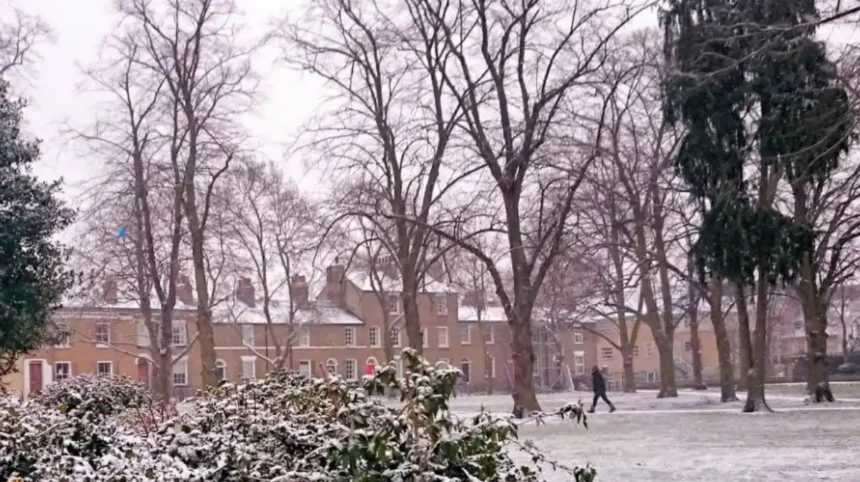
The historic neighborhood of Petersfield, nestled between the bustling Cambridge railway station and the vibrant Mill Road, is often described as the heartbeat of the city’s residential life. Characterized by its tight-knit Victorian terraces and proximity to the city center, it represents the quintessential Cambridge lifestyle. However, beneath the charm of its red-brick facades lies a systemic and escalating issue that has become a primary topic of debate at local council meetings and neighborhood pubs alike. The Petersfield Cambridge parking shortages frustrate locals not merely as a matter of convenience, but as a complex challenge involving urban heritage, modern transit policies, and the increasing density of a global tech hub.
- The Evolution of Urban Density in Petersfield
- Why Petersfield Cambridge Parking Shortages Frustrate Locals Today
- The Impact of the Greater Cambridge Partnership Initiatives
- Environmental Goals versus Practical Realities
- The Economic Burden on Residents and Small Businesses
- Looking Forward: Potential Solutions and Community Conflict
- A Neighborhood at a Crossroads
As Cambridge continues its trajectory as “Silicon Fen,” the pressure on its infrastructure has reached a boiling point. Petersfield, originally designed in an era of horse-drawn carriages and pedestrian-scale commerce, now faces the impossible task of accommodating the vehicular needs of a 21st-century population. This article explores the historical roots of the crisis, the current socio-economic impacts on residents, and why the proposed solutions often feel like a zero-sum game for those who call this area home.
The Evolution of Urban Density in Petersfield
To understand why parking has become such a contentious issue, one must look at the architectural DNA of the ward. Petersfield was largely developed during the mid-to-late 19th century to house the workers of the expanding railway and local industries. The streets—such as Gwydir Street, Kingston Street, and Hooper Street—were built with a focus on maximizing housing density. In the 1800s, “parking” was a non-concept; residents walked to work or used the burgeoning rail network.
Today, these same narrow streets are expected to serve a dual purpose: they are the primary arteries for local through-traffic and the only available “garage” for hundreds of households. Unlike newer suburban developments in the fringes of Cambridge, Petersfield homes almost entirely lack off-street parking. When the neighborhood was built, the ratio of cars to households was zero. In 2026, despite Cambridge having some of the highest cycling rates in the United Kingdom, car ownership remains a necessity for many families, tradespeople, and those commuting to the various science parks orbiting the city.
Why Petersfield Cambridge Parking Shortages Frustrate Locals Today
The frustration felt by the community is multifaceted. It is not simply the act of circling the block for twenty minutes after a work shift, though that is a daily reality for many. The deeper irritation stems from the perception that the neighborhood is being squeezed from all sides. Petersfield sits in a “perfect storm” of parking demand drivers.
First, the proximity to the Cambridge Railway Station makes Petersfield a prime target for “fly-parking.” Commuters from outside the city often seek out residential streets to avoid the high daily costs of station parking lots. Despite the introduction of various Resident Parking Schemes (RPS), the boundary lines often shift the problem rather than solving it. When one street implements a permit system, the displaced cars simply migrate to the next unregulated road, creating a “domino effect” of congestion.
Second, the flourishing independent business scene on Mill Road, while a jewel in Cambridge’s crown, adds significant pressure. Visitors to the cafes, international supermarkets, and niche boutiques naturally overflow into the residential side streets of Petersfield. For locals, this creates a conflict between supporting the local economy and being able to park near their own front doors. This tension is a significant reason why Petersfield Cambridge parking shortages frustrate locals who feel their residential peace is being sacrificed for commercial accessibility.
The Impact of the Greater Cambridge Partnership Initiatives
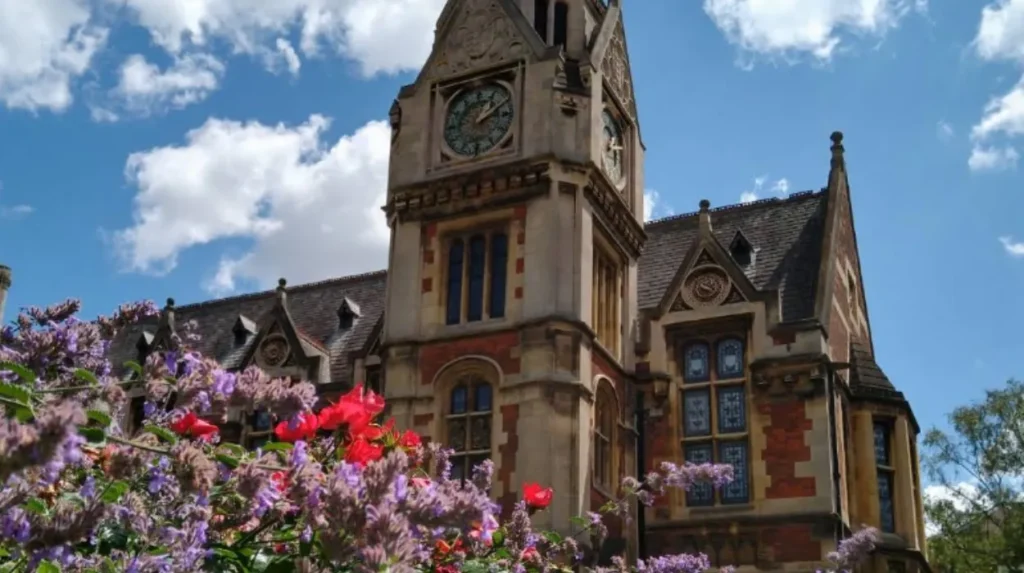
In recent years, the Greater Cambridge Partnership (GCP) and the Cambridgeshire County Council have intensified efforts to manage city-wide congestion. The “City Access” program aims to reduce car dependency by making driving less convenient and more expensive, thereby encouraging a shift toward public transport and cycling. While these goals are environmentally laudable, they often clash with the immediate needs of Petersfield residents.
The rollout of Resident Parking Schemes has been the primary tool used by authorities. Under these schemes, residents must purchase annual permits to park on their own streets, and the number of permits per household is often capped. For a multi-generational household or a home-share with several working adults, these caps can be devastating. Furthermore, the permits do not guarantee a space; they merely grant the “right to hunt” for one. When residents pay for a permit and still find themselves parking three streets away, the sense of injustice grows.
Environmental Goals versus Practical Realities
Cambridge is a city committed to reaching Net Zero, and the local government frequently cites air quality and carbon reduction as reasons for restricting car use. However, the transition period is proving painful for Petersfield. Many locals argue that the infrastructure for an “alternative” lifestyle is not yet robust enough to justify the current level of parking restriction.
For instance, while cycling is viable for many, those with young children, elderly relatives, or physical disabilities find the “anti-car” rhetoric exclusionary. The local “Car Club” schemes have seen some success, but they cannot yet replace the reliability of a personal vehicle for many residents. The frustration is compounded by the fact that Petersfield has seen a surge in “HMOs” (Houses in Multiple Occupation). A single Victorian terrace that once housed one family might now house five individual professionals, each with their own vehicle, effectively quintupling the parking demand for that specific plot of land.
The Economic Burden on Residents and Small Businesses
The financial aspect of the parking shortage cannot be overlooked. Beyond the cost of permits, which have seen incremental increases to cover administrative and enforcement costs, there is the hidden cost of “parking fines.” In the labyrinthine streets of Petersfield, signage can sometimes be confusing, and the aggressive enforcement required to keep the schemes viable often catches out residents or their visitors.
Local tradespeople—plumbers, electricians, and builders—also find it increasingly difficult to service the area. Many now charge a “Cambridge Premium” or refuse to take jobs in Petersfield altogether because of the impossibility of parking a van near a client’s property. This directly impacts the maintenance of the historic housing stock and increases the cost of living for residents. The reality that a simple home repair can become a logistical nightmare is another reason why Petersfield Cambridge parking shortages frustrate locals and hinder the seamless functioning of the neighborhood.
Looking Forward: Potential Solutions and Community Conflict

The future of parking in Petersfield remains a subject of intense debate. Several “innovative” solutions have been proposed, ranging from the installation of “smart” parking sensors to the conversion of underused small plots into communal “micro-garages.” However, space in Petersfield is at such a premium that any land used for cars is land not used for housing or green space.
There is also a growing movement toward “Liveable Neighbourhoods” or “Low Traffic Neighbourhoods” (LTNs). These schemes involve using bollards or planters to prevent through-traffic, effectively turning residential streets into cul-de-sacs. While this improves safety and air quality, it often reduces the total number of available parking spaces. The community is often split down the middle on these issues: younger, car-free residents often support the “de-paving” of the neighborhood, while long-term residents and families view it as another infringement on their ability to navigate their lives.
A Neighborhood at a Crossroads
The parking crisis in Petersfield is a microcosm of the challenges facing many historic European cities. It is a clash between 19th-century urban design and 21st-century mobility needs. For the people of Petersfield, the solution is not as simple as “buying a bike” or “paying for a permit.” It requires a nuanced approach that respects the heritage of the area while acknowledging the changing demographics of the city.
Until a comprehensive transit solution—such as a more affordable and frequent bus network or the long-discussed “Cambridge Metro” concept—becomes a reality, the car will remain a central, albeit problematic, part of life. For now, the Petersfield Cambridge parking shortages frustrate locals because they represent a gap between the city’s ambitious future and the practical, daily realities of its residents. The streets of Petersfield remain a beautiful, vibrant place to live, but for those behind the wheel, they remain a frustrating puzzle with no easy answer in sight.
Why is parking so expensive in Cambridge?
Parking prices are intentionally high to discourage car use, reduce heavy congestion, and lower carbon emissions in the historic center. The city prioritizes “active travel” and public transport, using high tariffs as a fiscal tool to manage limited space.
What are the disadvantages of living in Cambridge?
The primary drawbacks include an exceptionally high cost of living and a pressurized housing market that often lacks off-street parking. Residents also frequently contend with significant traffic congestion and the logistical “squeeze” of living in a medieval city layout adapted for modern populations.
Does Cambridge have free street parking?
Free street parking is nearly non-existent within the city’s central and residential rings, as most areas are strictly governed by Resident Parking Schemes (RPS) or pay-and-display meters. Some outer suburban areas offer limited free spaces, but these are often a significant distance from the city center.
How much does it cost to park in Cambridge City Centre?
Costs vary by location, but central multi-storey car parks like the Grand Arcade can cost upwards of £30 for a full day. Short-stay rates are equally steep, typically starting around £2.50 to £5.00 per hour depending on the time of day and specific zone.
Where is the best place to park when visiting Cambridge?
For most visitors, the five Park & Ride sites (Madingley Road, Trumpington, Babraham Road, Milton, and Newmarket Road) are the most efficient and cost-effective options. They offer free parking for up to 18 hours with a small fee for the bus journey, bypassing the gridlock of residential areas like Petersfield.