

Key Points
- Cambridge University Boat Club (CUBC) won the Temple Challenge Cup at Henley Royal Regatta for the first time in the event’s 36-year history, defeating the University of Washington in the final.
- The winning Temple crew combined athletes from the victorious 2026 Boat Race Blue Boat with leading rowers from Goldie, CUBC’s reserve crew, highlighting exceptional squad depth.
- Cambridge’s route to the Temple title included victories over Oxford Brookes D, Oxford Brookes A, the University of London and the University of Bristol before meeting Washington in Sunday’s final.
- The University of Washington entered Henley as reigning IRA National Champions and one of the world’s strongest university eights, but Cambridge controlled much of the race and won by two‑thirds of a length.
- The Temple success formed part of a wider CUBC campaign at Henley, including a run to the final of the Ladies’ Challenge Plate and multiple quarter‑final appearances by the women’s crews.
- The men’s eight in the Ladies’ Challenge Plate reached the final but were beaten by a powerful Leander Club crew that has dominated the event in recent years.
- Cambridge’s women’s A crew reached the quarter‑finals of the Island Challenge Cup, losing by two‑thirds of a length to the University of Washington in a tight race.
- Cambridge’s women’s B crew surprised Yale to reach the quarter‑finals before exiting against a strong Oxford Brookes crew with extensive international experience.
- The Henley results capped another highly successful year for CUBC, with the men winning a third consecutive Boat Race in April and the women narrowly losing their own Boat Race after a recent run of dominance.
- Several senior CUBC athletes, including President Noam Mouelle and long‑serving oarsman Matt Edge, signed off distinguished Cambridge careers with Henley appearances and, in Mouelle’s case, the Temple title.
- Peterhouse rowers Patrick Wild, Max Deering and incoming men’s president Simon Hatcher concluded a landmark season that also saw Peterhouse claim its first‑ever May Bumps headship.
- The club increased its Henley entries to nine crews compared with six in 2024, underlining programme growth and confidence in squad strength.
Cambridge University Boat Club (Cambridge Tribune) July 18, 2026 – Cambridge University Boat Club secure a historic Temple Challenge Cup victory at Henley Royal Regatta while showcasing unprecedented squad depth across its men’s and women’s squads.
- Key Points
- How was Cambridge’s Temple Challenge Cup campaign built and decided?
- Why does this Temple win underline Cambridge’s squad strength?
- How did Henley results cap a landmark year for Peterhouse and key CUBC leaders?
- How did CUBC perform across nine entries at Henley in 2026?
- How did the Cambridge women’s squads fare in the Island and associated events?
- How does Henley success fit into CUBC’s 2026 Boat Race and season record?
- Background to Cambridge’s Temple Challenge Cup breakthrough
- Prediction: How could this historic Henley win affect CUBC and the wider university rowing audience?
How was Cambridge’s Temple Challenge Cup campaign built and decided?
Henley Royal Regatta’s Temple Challenge Cup provided the platform for Cambridge University Boat Club to turn a strong domestic season into a historic international victory, culminating in a final win over the University of Washington by two‑thirds of a length. CUBC’s Temple crew was deliberately constructed to reflect the breadth of talent in the programme, combining key members of the victorious Blue Boat from the 2026 Boat Race with standout rowers from Goldie, the club’s reserve crew.
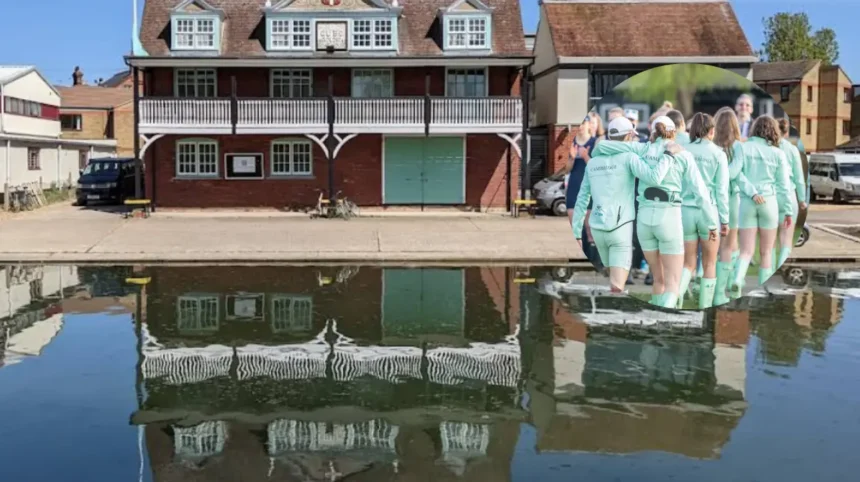
As described in the club’s own Henley summary, the Temple crew consisted of Blue Boat athletes Patrick Wild, Will Klipstine, Simon Hatcher and CUBC President Noam Mouelle alongside Goldie rowers Joe Travis, Raph Berz, Matt Edge and cox Freya Jenkinson, forming a unit that gathered momentum over the course of the regatta. Cambridge opened its Temple campaign with wins over Oxford Brookes D and Oxford Brookes A, then dispatched the University of London and the University of Bristol to reach Sunday’s final against Washington. In that final, Washington arrived as recently crowned IRA National Champions and one of the strongest university crews globally, but despite a determined late charge from the American boat, Cambridge controlled much of the race and held on to take the club’s first‑ever Temple Challenge Cup in the event’s 36‑year history.
Why does this Temple win underline Cambridge’s squad strength?
The Temple triumph has been framed within CUBC reporting as a reflection of the increasing strength of the wider squad rather than a single‑boat success. By combining Boat Race winners from the Blue Boat with reserve athletes from Goldie, the coaching staff effectively tested whether the depth seen in internal selection could perform under the pressure of Henley’s international stage.
According to the club’s season review, the reserve rowers proved they could operate at the same level as Boat Race champions, validating investment in the broader squad rather than focusing solely on headline crews. For several athletes, the Temple final also represented the culmination of long Cambridge careers. Club President Noam Mouelle, who led the men’s programme through another successful season, ended his time at CUBC with a Henley win, while Matt Edge closed a Cambridge tenure that included seven Boat Race appearances across Blue Boat, lightweight and Goldie crews by securing a Temple medal. This blend of experience and emerging leadership is central to the narrative that CUBC’s success now rests on a genuinely deep pool of talent.
How did Henley results cap a landmark year for Peterhouse and key CUBC leaders?
The Henley campaign coincided with a standout year for Peterhouse College athletes within CUBC, adding context to individual performances in the Temple boat and beyond. The club’s communications highlighted the achievements of the Peterhouse trio of Patrick Wild, Max Deering and incoming men’s president Simon Hatcher, noting that, at the end of Easter term, they had steered Peterhouse to its first‑ever headship in the May Bumps.
This college‑level success fed directly into CUBC’s Henley story, with Wild and Hatcher part of the Temple crew that delivered the club’s first title in that event, and Deering contributing to the broader men’s squad performance at the regatta. The progression from college racing (such as May Bumps) to national and international competition at Henley illustrates Cambridge’s pathway: athletes gain experience in demanding internal races, then step into top‑level club boats representing the University on one of rowing’s most prominent stages.
How did CUBC perform across nine entries at Henley in 2026?
CUBC’s Temple victory sits within a larger Henley Royal Regatta campaign that saw the club increase its entries from six crews in 2024 to nine in 2026, signalling both programme expansion and confidence in its athletes. Club reports emphasise that these entries spanned men’s and women’s squads and covered leading student events for eights across the regatta.
One of the most notable additional performances came from the men’s eight entered in the Ladies’ Challenge Plate, regarded as the premier event for non‑international club and university eights. Cambridge’s men produced a sequence of strong races to reach the final, where they ultimately lost to Leander Club, a crew that has dominated the Ladies’ Challenge Plate in recent years. While defeat in the final prevented a second major Henley title, the run confirmed CUBC’s capacity to contest top‑level events beyond the Boat Race and student‑focused cups.
How did the Cambridge women’s squads fare in the Island and associated events?
CUBC’s women’s programme also recorded impressive results at Henley, reinforcing the perception that the club’s strength is balanced between its men’s and women’s squads. The women’s A crew, comprising Mia Freischem, Phoebe Pryce, Charlotte Ebel, Mathilda Kitzmann, Alexandra Wiley, Aidan Wrenn‑Walz, Gemma King, Eloise Etherington and cox Matt Moran, progressed to the quarter‑finals of the Island Challenge Cup.
In the quarter‑final, Cambridge’s A crew faced the University of Washington and were narrowly defeated by two‑thirds of a length, mirroring the margin by which Cambridge’s men beat Washington in the Temple final but with the result reversed. The women’s B crew, meanwhile, enjoyed what the club described as an encouraging campaign. They produced a notable upset by beating Yale to reach the quarter‑finals before exiting against an Oxford Brookes boat loaded with international experience and widely viewed as one of the strongest British university women’s eights. These results, though not delivering silverware, demonstrated that Cambridge’s women can consistently reach the latter stages of major regatta events against top‑tier opposition.
How does Henley success fit into CUBC’s 2026 Boat Race and season record?
The Henley outcomes capped what CUBC characterises as another highly successful year, anchored by strong Boat Race performances and broader squad achievements. In April, Cambridge’s men secured a third consecutive victory in The Boat Race against Oxford, extending a run that has re‑balanced the historic rivalry in recent seasons.
The women’s Boat Race told a slightly different story. Cambridge’s women, who had built a period of dominance in previous years, narrowly lost to a strong Oxford crew in 2026, halting their winning sequence. Despite that setback, CUBC’s season summary argues that the breadth of results across domestic races and Henley entries indicates the club remains in an exceptionally strong position overall. The combination of Boat Race success for the men, close contests for the women, and multiple deep runs at Henley suggests a programme able to compete at the top end of university rowing both domestically and on the international stage.
Background to Cambridge’s Temple Challenge Cup breakthrough
The Temple Challenge Cup is a student eights event introduced in 1990, attracting leading university crews from the UK, the United States and elsewhere, and has become one of Henley’s most competitive categories. For much of its 36‑year existence, the event’s honours have been dominated by powerhouse programmes such as Oxford Brookes, Washington and other top student clubs, making Cambridge’s 2026 win a notable shift in the competitive landscape.
CUBC itself is one of the oldest and most recognisable university rowing institutions, long best known for its involvement in The Boat Race against Oxford rather than for success in Henley student events. Historically, Cambridge and Oxford have often prioritised the Boat Race as the central focus of their rowing year, sometimes limiting the scope of post‑Race Henley campaigns. In recent seasons, however, Cambridge has deliberately broadened its ambitions, entering more crews at Henley and investing in depth across college and university squads. The increase from six Henley entries in 2024 to nine in 2026 demonstrates this strategic shift.
The integration of college results into the university narrative is also part of this background. Peterhouse’s first headship in the May Bumps, secured with the involvement of Wild, Deering and Hatcher, underscores the rising standard of rowing within Cambridge colleges feeding into CUBC’s main squads. Achievements in internal races such as the May Bumps, Lent Bumps and college eights have become important indicators of the talent pipeline that eventually produces Boat Race and Henley‑level rowers.
On the international side, the presence of Washington and Yale at Henley in both men’s and women’s events reflects the globalisation of the regatta’s student competitions. American universities view Henley as both a prestigious goal and a test against British and European opposition. Cambridge’s ability to beat Washington in the men’s Temple final and to race Washington closely in the women’s Island quarter‑final places CUBC firmly within this global competitive context.
The organisational backdrop also includes leadership and continuity within CUBC. Figures such as President Noam Mouelle and long‑serving athlete Matt Edge embody a model in which experienced rowers guide younger teammates through multiple seasons, Boat Races and major regattas before handing over to new leaders like incoming president Simon Hatcher. This continuity helps explain how the club has sustained Boat Race success while expanding its Henley ambitions.
Prediction: How could this historic Henley win affect CUBC and the wider university rowing audience?
How is Cambridge University Boat Club’s first Temple Challenge Cup victory likely to influence future seasons for CUBC and the broader university rowing community that follows Henley and the Boat Race? For CUBC itself, the historic Temple win is likely to reinforce the club’s strategic emphasis on squad depth and multi‑event campaigning. Success at Henley in addition to Boat Race victories provides a compelling narrative for recruitment, making Cambridge more attractive to aspiring student rowers from the UK and overseas who want to compete both on the Tideway and at international regattas. This may encourage more applications from school and junior athletes and increase internal competition for seats in Blue Boat, Goldie and Henley crews.
For current and prospective Cambridge students interested in rowing, the 2026 season signals that participation in CUBC and in college boat clubs can lead to high‑profile opportunities beyond a single race against Oxford. Athletes may perceive a clearer pathway from college races like the May Bumps to Boat Race selection and then to Henley finals, motivating greater commitment to training and long‑term development. Within the university rowing audience, including supporters, alumni and college communities, the Temple victory and expanded Henley presence may boost engagement, fundraising prospects and volunteer involvement, as stakeholders see tangible evidence that investment in facilities, coaching and athlete support translates into visible success on major stages.
In the wider British and international university rowing scene, Cambridge’s breakthrough may contribute to intensifying competition in student events at Henley. Programmes such as Oxford Brookes, Washington, Yale and others already approach the Temple and Island Challenge Cups with professional‑level preparation, and Cambridge’s win will likely encourage them to refine strategies to maintain or regain dominance. This, in turn, could raise the performance standards across the field, benefiting athletes and spectators who value close, high‑quality racing.
For casual followers of rowing and general sports fans, Cambridge’s story offers a clear example of how a traditional Boat Race institution can evolve into a broader multi‑regatta force, making university rowing more visible and relatable. Media coverage highlighting the narratives of individual athletes such as Mouelle signing off with a Temple title or the Peterhouse trio moving from college headship to Henley success may help humanise the sport and attract new audiences. Over the next few seasons, the combination of Boat Race rivalries and Henley student eights contests featuring Cambridge is likely to shape the calendar for many fans, with expectations that CUBC will remain a central contender at both events.