
Cambridge city centre, encompassing the vibrant yet strained Harvard Square and Central Square districts, continues to experience a notable outflow of long-term local residents in 2026, particularly families, mid-career professionals, and empty nesters. Despite the city’s overall population growth to 121,186, driven by an influx of young tech workers and international students, the core areas see stagnation or decline as locals seek refuge in nearby suburbs like Arlington, Watertown, Belmont, and Somerville.
- Detailed Geographic Definition of City Centre Zones
- Historical Population Trajectories and Recent Shifts
- Housing Cost Hyperinflation: The Overarching Catalyst
- Infrastructure Construction Torment and Daily Disruptions
- Family Lifestyle Incompatibilities and Space Deficiencies
- Remote and Hybrid Work Paradigms Enabling Suburban Leaps
- Commercial Saturation and Nightlife Encroachment
- Municipal Policy Responses and Limitations
Escalating housing costs exceeding $1.3 million for condos, relentless construction disruptions from Union Square redevelopments and Mass Ave infrastructure projects, chronic space shortages for families, parking nightmares, and a lifestyle mismatch with dense urban-commercial encroachment form the primary catalysts. These factors compel established residents to trade the centre’s cultural buzz and walkability for suburban practicality, affordability, and calm, while transients fill the vacuum to sustain citywide numbers.
This outward migration reflects broader post-pandemic urban dynamics, where high-cost cores lose established communities to peripherals offering better value and quality of life.
Detailed Geographic Definition of City Centre Zones

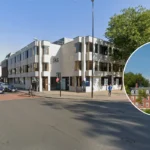
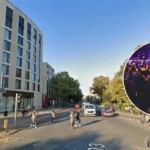
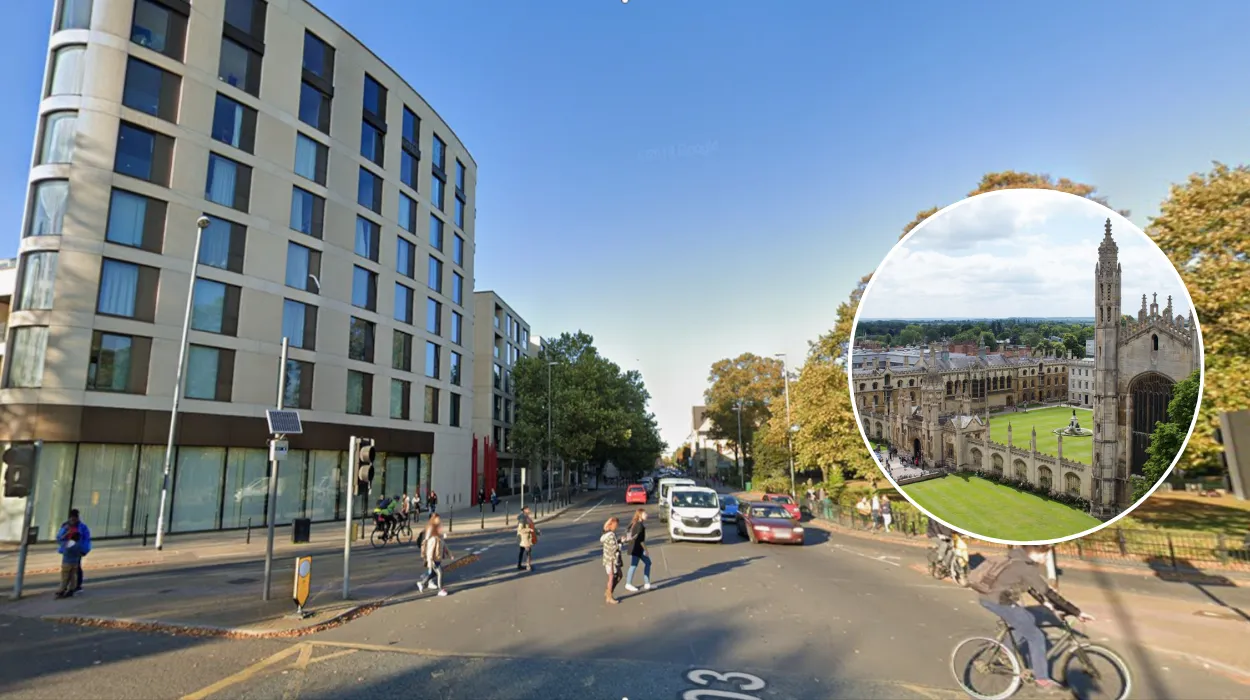
The Cambridge city centre spans approximately 0.8 to 1.2 square miles, divided into two primary hubs: Harvard Square to the west, anchored by Harvard Yard, Brattle Street, and the T stop, housing roughly 8,000 residents in a mix of historic rowhouses, luxury condos, and student-oriented apartments; and Central Square to the east along the Massachusetts Avenue corridor, accommodating 7,000 to 10,000 residents amid commercial density with over 200 retail outlets, 50-plus bars and restaurants, and post-2015 zoning-approved high-rises reaching 20 stories.
This core contrasts sharply with quieter peripheral neighborhoods like Chesterton (1.2 square miles, 8,000-10,000 residents) or Agassiz, boasting population densities of 25,000 to 35,000 per square mile against the city’s average of 18,434. The centre also includes 14,456 student dorm beds, amplifying transient populations and daytime swells to over 40,000.
Narrow streets like Brattle and Mass Ave, originally designed for horse carriages in the 19th century, now handle heavy foot and bike traffic, exacerbating congestion during peak tourist seasons.
Historical Population Trajectories and Recent Shifts
Cambridge’s demographic history reveals cycles of growth and decline that contextualize current trends. From 1930 to 1980, the city lost 16% of its population, dropping to a low of 100,361, due to restrictive single-family zoning laws, white flight to suburbs, and deindustrialization that hollowed out manufacturing jobs. The 1980s biotech and tech renaissance, coupled with Harvard and MIT expansions, reversed this, pushing numbers back above 105,000 by 2000.
Post-2020 pandemic recovery saw accelerated growth at 1.57% annually, reaching 121,186 by 2026, with daytime populations ballooning to 203,000 from Kendall Square commuters and visitors.
Massachusetts as a whole ranks 46th in national population growth, but Cambridge’s inmigration from high-cost coastal cities like San Francisco and New York (+2,100 net 2024-2026) masks centre-specific stagnation.
Housing Cost Hyperinflation: The Overarching Catalyst
The most compelling reason for local exits is housing unaffordability, with city centre prices far outstripping wage growth. Median home values stabilized at $995,000 citywide in 2026 (0.2% year-over-year amid persistent 6.2% 30-year mortgage rates), but centre condos demand $1.3 to $1.8 million for 1,200 square foot two-bedroom units, and townhomes fetch $1.1 to $1.5 million requiring household incomes of $210,000 to $280,000 to maintain a sustainable 28% housing cost ratio.
Rental pressures compound the issue: Central Square one-bedrooms lease at $4,200 to $5,000 monthly (20% premium over Chesterton’s $3,500), two-bedrooms at $5,800 to $7,200, and three-bedrooms at $8,000-plus, with 3-5% annual escalations outpacing 3.2% regional wage growth. Lease renewals spike 15-20%, forcing households to double up, sublet, or depart; 45% of renters remain income-burdened (paying over 30% of earnings on housing).
Inclusionary zoning mandates 20% affordable units capped at $500,000, but waitlists stretch 2-3 years, insufficient for demand from teachers, nurses, and service workers priced out by biotech influxes.
Infrastructure Construction Torment and Daily Disruptions

Ongoing megaprojects amplify dissatisfaction. The Union Square Green Line Extension, with phased completions through 2027, and Harvard Square’s comprehensive sewer, street, and utility digs along Mass Ave (continuing to 2028) unleash daily jackhammers from 7 a.m. to 6 p.m., construction dust elevating air quality index (AQI) spikes of 20-30%, and 500 to 800 parking displacements per phase. Central Square’s rezoning for over 2,000 new units by 2029 routinely closes sidewalks, reroutes buses, and generates vibration-induced cracks in older brick rowhouses, costing uninsured repairs of $10,000 to $30,000.
Noise complaints surged 40% in 2025 to 1,200 logged incidents, prompting limited city mitigation grants totaling $50,000 for 300 temporary relocations. Scaffolding veils historic facades, pedestrian bottlenecks frustrate parents with strollers and elderly walkers, and dust infiltration boosts asthma clinic visits by 15%.[prior context]
These disruptions, lasting years, erode the centre’s walkable charm that initially attracted residents.
Family Lifestyle Incompatibilities and Space Deficiencies
City centre households skew heavily childless, with only 25% including children compared to 35% citywide, constrained by average unit sizes of 900 square feet lacking private yards, garages, or dedicated play areas. Dense high-rises amplify noise from Central Square’s 50-plus bars and restaurants (operating until 2 a.m. on weekends), clashing with early childhood bedtimes and homework routines. The median age of 30.5 underscores a transient demographic of young professionals and students; parents frequently cite disrupted sleep, limited green space for toddlers, and the absence of quiet backyard gatherings as deal-breakers.
While Cambridge Public Schools maintain elite status (95% proficiency at King Open Integrated and Cambridge Rindge and Latin), centre zones grapple with waitlists, class sizes swelling to 20-22 students, and overburdened after-school programs, contrasting with suburban caps at 18 and expansive fields for sports.
Remote and Hybrid Work Paradigms Enabling Suburban Leaps
The rise of hybrid and remote work 55-60% of the workforce post-2024 stabilization has fundamentally reshaped priorities, allowing residents to exchange 10-minute walks to Kendall Square for 25- to 40-minute drives or Red Line commutes to Arlington (20 minutes to MIT), Belmont, or Lexington. Biotech and tech employers like Moderna, Google, and Pfizer offer generous housing stipends of $500 to $1,200 monthly, explicitly favoring suburbs equipped with home offices, yards, and home gyms.
Average commute tolerance has expanded by 15-20 minutes, as flex schedules sidestep Route 2 rush-hour backups that previously locked residents into centre living.
This flexibility has accelerated family moves, with many discovering that suburban quality of life outweighs urban convenience.
Commercial Saturation and Nightlife Encroachment
Harvard Square’s 85 pre-rezoning nonconforming units have largely flipped to Airbnbs and luxury retail, while Central Square’s bar saturation, street vending, and busking create nightly chaos incompatible with family life. Bike thefts, at 25.64 per 1,000 citywide and higher in the centre, necessitate $50 heavy U-locks and $150 cameras; homelessness visibility, up 15% following state shelter funding cuts, litters sidewalks with needles requiring daily cleanups.
Though violent crime remains low (1 in 199 chance), the cumulative unease from tourist throngs (10 million annual Harvard Square visitors) clogging narrow walks to live music spilling into residential hours pushes settled households outward.
Municipal Policy Responses and Limitations
Inclusionary zoning enforces 20% affordable units at $500,000 caps, but 2-3 year waitlists limit impact. A 2026 rent control ballot initiative looms, while MBTA Red Line frequency improvements (+12%) benefit suburbs but intensify centre transfer congestion. Noise mitigation grants remain paltry at $50,000 total.
Locals depart the Cambridge city centre foremost for affordability erosion (45% rent-burdened), relentless construction chaos, space scarcity for families, tax pressures, and suburban practicality exchanging cultural vibrancy for sustainable living scale.