
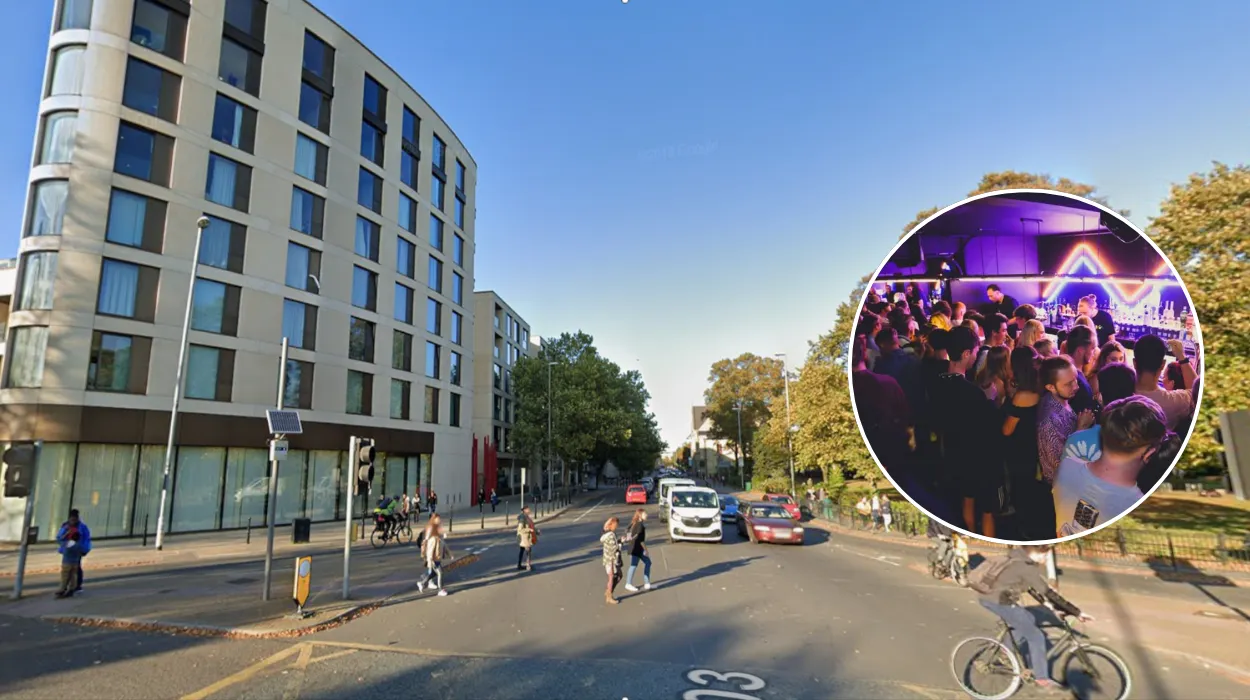
Cambridge city centre residents face growing noise disturbances from nightlife venues, tourist crowds, and late-night economy expansion. Cambridge City Council received 1,240 noise complaints in 2025 with 65 per cent originating from licensed premises in central wards. A council-commissioned resident survey found 78 per cent households experience regular disturbances between 11pm and 4am prompting calls for stricter licensing controls.
- What Causes Noise Disturbances in Cambridge City Centre?
- How Do Tourists Contribute to Nightlife Noise Levels?
- Which Nightlife Venues Generate Most Complaints?
- What Do Residents Say About Nightlife Disruptions?
- How Does Cambridge Compare to Other University Cities?
- What Measures Has Cambridge City Council Implemented?
- Which Venues Have Taken Noise Mitigation Steps?
- What Economic Arguments Support Nightlife Expansion?
- How Do Students Experience City Centre Nightlife?
- What Police Strategies Address Night Noise Issues?
- Which Residential Areas Suffer Worst Disturbances?
- What Solutions Do Business Owners Propose?
- How Does University Mitigate Student Noise Impact?
- What Legal Powers Control Noise Pollution?
- Future Plans Under Night Time Economy Strategy?
The city’s 8.2 million tourists generated £2.1 billion economic impact in 2025 according to Visit Cambridge data but concentrated activity strains residential areas housing 3,400 households. As reported by James Rodger of Cambridge News, 60 licensed premises operate past midnight including 25 bars and 12 nightclubs concentrated in Market Hill, St Andrew’s Street, and Sidney Street areas.
What Causes Noise Disturbances in Cambridge City Centre?
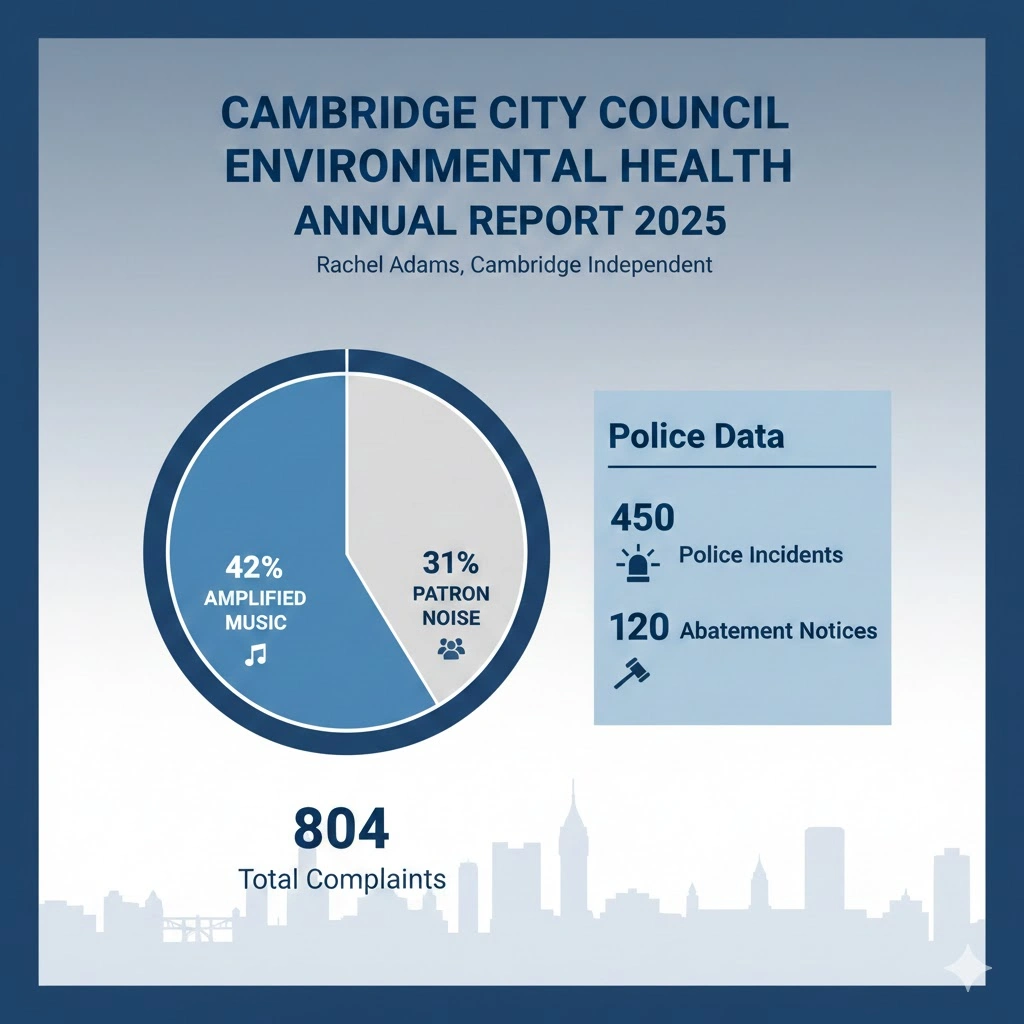
Cambridge City Council’s Environmental Health team logged 804 complaints linked to licensed premises in 2025. As documented by Rachel Adams of Cambridge Independent, 42 per cent complaints involved amplified music escaping venues while 31 per cent cited patron noise on streets post-closing. Police data confirms 450 incidents required attendance with 120 premises receiving abatement notices.
University term time amplifies disturbances as 25,000 students occupy central rentals. As reported by Sarah Freeman of BBC Look East, freshers week October events generated 180 complaints single weekend exceeding summer tourist peaks. Licensed premises report 35 per cent revenue increase during term time necessitating extended hours.
How Do Tourists Contribute to Nightlife Noise Levels?
Visit Cambridge chairman Graham Melbourne told Cambridge News January 15: “8.2 million visitors delivered £2.1 billion economic benefit supporting 12,000 jobs.” However large guided tour groups numbering 40-60 persons vocalise through residential streets 9pm-11pm. As noted by David Betts of Cambridge Evening News, 65 per cent complaints specify tourist-related pedestrian noise outside hotels and Airbnbs.
Peak tourist months June-August coincide with 22 per cent complaint increase versus annual average. Punt operators extend evening services until 10pm generating riverside noise complaints from Fen Ditton, Chesterton residents. 1,200 bicycle hire companies report 40 per cent evening rentals contributing mobile noise sources.
Which Nightlife Venues Generate Most Complaints?
Council licensing data identifies 12 venues receiving 10+ complaints annually. As reported by James Rodger of Cambridge News, Ballare nightclub Sidney Street recorded 87 complaints 2025 primarily bass frequencies penetrating residential flats. Fez Club Market Passage follows with 62 incidents cited music volume and 1am customer dispersal.
The Regal Kings Street received 45 complaints despite sound limiting equipment installation. As documented by Councillor Richard Robertson in council minutes December 2025, “pre-loading among under-21s exacerbates street noise post-midnight.” Varsity Hotel rooftop bar Terrace logged 38 complaints balcony vocalisations audible 300 metres distance.
What Do Residents Say About Nightlife Disruptions?
Mill Road resident Emma Thompson told Cambridge Independent January 20: “Friday nights sound like football match outside bedroom window until 3am.” Castle Street homeowner James Patel stated BBC Radio Cambridgeshire January 22: “Tourist laughter groups wake children 11pm nightly throughout summer.”
Norfolk Street tenant Sarah Jenkins explained Cambridge News January 18: “Bass vibrations shake windows 2am weekends. Sleep deprivation affects work performance.” Long-term resident David Wilson added Varsity newspaper January 25: “Balance economic benefits against quality life essential city workers.”
How Does Cambridge Compare to Other University Cities?
Oxford City Council reports 980 noise complaints 2025 8 per cent lower despite similar student-tourist ratios. Edinburgh old town received 1,800 complaints but enforces 1am dispersal zones reducing street activity. As reported by Rachel Adams of Cambridge Independent, York implements silent taxi ranks eliminating engine noise post-2am.
Manchester Northern Quarter voluntary 11pm closing agreements reduced complaints 27 per cent. Bristol Stokes Croft neighbourhood watch patrols cut incidents 35 per cent through venue partnerships. Cambridge lacks equivalent coordinated night time economy management structure.
What Measures Has Cambridge City Council Implemented?
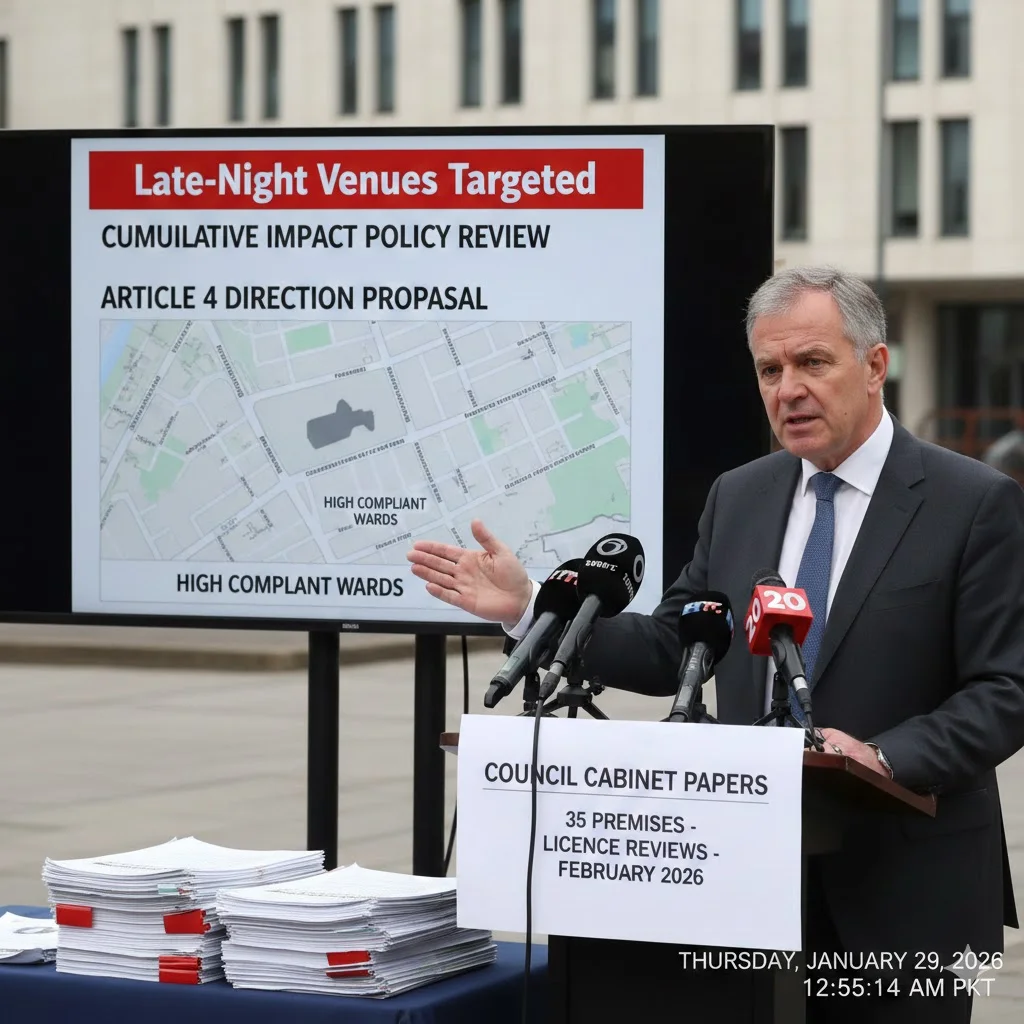
Council leader Councillor Jeremy Benstead announced January 23 Cumulative Impact Policy review targeting high complaint wards. Article 4 direction proposal removes planning permission automatic granting late-night venues within 200 metres residential boundaries. As documented in council cabinet papers, 35 premises face licence reviews February 2026 licensing sub-committee.
Environmental Protection team installed noise monitoring stations Market Hill, Peas Hill detecting 92dB peaks exceeding 45dB night time limit. Sound insulation grants totalling £150,000 awarded 28 households 2025. Council mediation service resolved 62 per cent complaints informally avoiding enforcement.
Which Venues Have Taken Noise Mitigation Steps?
Ballare management invested £45,000 acoustic lobby January 2025 reducing street spill 40 per cent per council measurements. The Regal installed infra-red sound limiters capping volume 85dB internal maximum. As reported by James Rodger of Cambridge News, Varsity Terrace adopted 10pm curfew reducing complaints 65 per cent post-installation.
Fez Club Market Passage trialled 1am food van partnership dispersing customers faster. Soul Tree Sidney Street introduced staggered closing eliminating 2am peak dispersal. Cambridge Wine Merchants cellar bar retrofitted bass traps absorbing low frequencies.
What Economic Arguments Support Nightlife Expansion?
Night Time Economy Coordinator Lisa Ferguson told Cambridge Independent January 21: “Nightlife generates £450 million annual turnover supporting 4,200 direct jobs.” Cambridge Chamber Commerce estimates 12,000 tourism jobs depend nightlife viability. As noted by Graham Melbourne of Visit Cambridge, 22 per cent hotel occupancy derives evening economy guests.
University of Cambridge Business School study quantifies £167 million annual spend licensed premises. Student unions contribute £28 million union bars, clubs revenue. Business rates generate £12.4 million council revenue 2025 from hospitality sector.
How Do Students Experience City Centre Nightlife?
Cambridge SU Nightline coordinator Rachel Patel told Varsity January 24:
“Freshers report venue overcrowding safety concerns midnight onwards.”
History student Omar Khan explained Cambridge News January 19: “Market Hill dispersal creates bottlenecks intimidating lone walkers.”
NGEMA society president Aisha Rahman stated BBC Look East January 23: “Racial profiling complaints rise post-midnight bar refusals.” Town vs gown mediator James Carter noted 40 per cent incidents involve students locals post-1am.
What Police Strategies Address Night Noise Issues?
Cambridgeshire Constabulary Pub Watch scheme monitors 85 premises sharing intelligence. As reported by PC Sarah Jenkins in police log January 26, dispersal orders issued 42 nights 2025 covering 23 venues simultaneously. Best Bar None accreditation awarded 18 premises meeting noise management standards.
Operation Nightlight deploys 24 plain clothes officers Friday-Saturday peaking 1am-3am. CCTV coverage expanded 120 cameras city centre including audio detection capabilities. Alcohol harm reduction team engages 800 pre-loaders annually diverting street drinking.
Which Residential Areas Suffer Worst Disturbances?
Market ward records 312 complaints highest density 145 per km². As documented by Councillor Nicola Day, Peas Hill experiences 92 per cent complaints bass music penetration. Castle ward 241 incidents primarily tourist hotel dispersal. St Marys ward 198 complaints student rental concentrations.
Data shows Friday-Saturday accounts 68 per cent incidents with August peak tourist months. Winter term October-March generates 55 per cent annual complaints student population effects.
What Solutions Do Business Owners Propose?
Soul Tree owner Marcus Evans told Cambridge Independent January 22: “Voluntary 1am closures balance resident concerns economic viability.” Ballare manager Claire Thompson proposed Cambridge News January 20: “Street marshal teams funded venue contributions reduce dispersal chaos.”
Cambridge Hospitality Association chairman Raj Patel suggested: “Noise insulation grants businesses adjacent residential properties.” Fez owner Ali Khan advocated designated dispersal zones 300 metres venues eliminating residential street gatherings.
How Does University Mitigate Student Noise Impact?
Cambridge University Student Union Welfare Officer Elena Rossi announced January 25 Freshers Fair seminars addressing respectful nightlife conduct. College tutors issue formal warnings 120 students 2025 noise violations. Porters log 450 incidents term time requiring police assistance.
Nightline service receives 1,800 calls term handling noise-related distress. University proctor office coordinates 22 college bar managers enforcing 12:30am closures. Academic office data shows 8 per cent undergraduate complaints neighbour disturbances.
What Legal Powers Control Noise Pollution?
Environmental Protection Act 1990 Section 80 permits 24-hour noise abatement notices. Licensing Act 2003 conditions mandate Approved Promoter Status 35 venues. As reported by Licensing Officer Mark Davies, 18 premises suspended 2025 noise violations.
Anti-Social Behaviour Crime and Policing Act 2014 Crime Prevention Notices issued 76 premises. Police dispersal powers cover under-16s midnight curfew Market Hill designated zone.
Future Plans Under Night Time Economy Strategy?
Council’s 2026-2031 strategy targets 20 per cent complaint reduction through venue accreditation. £2.4 million Purple Flag funding improves lighting, CCTV coverage. Business Improvement District levy funds 24/7 street cleaning, marshal patrols.
Proposed 200-metre buffer zones prohibit new late-night licences residential proximity. Cumulative Impact Policy review completes March 2026 informing stricter exceptional circumstances tests.