
Key Points
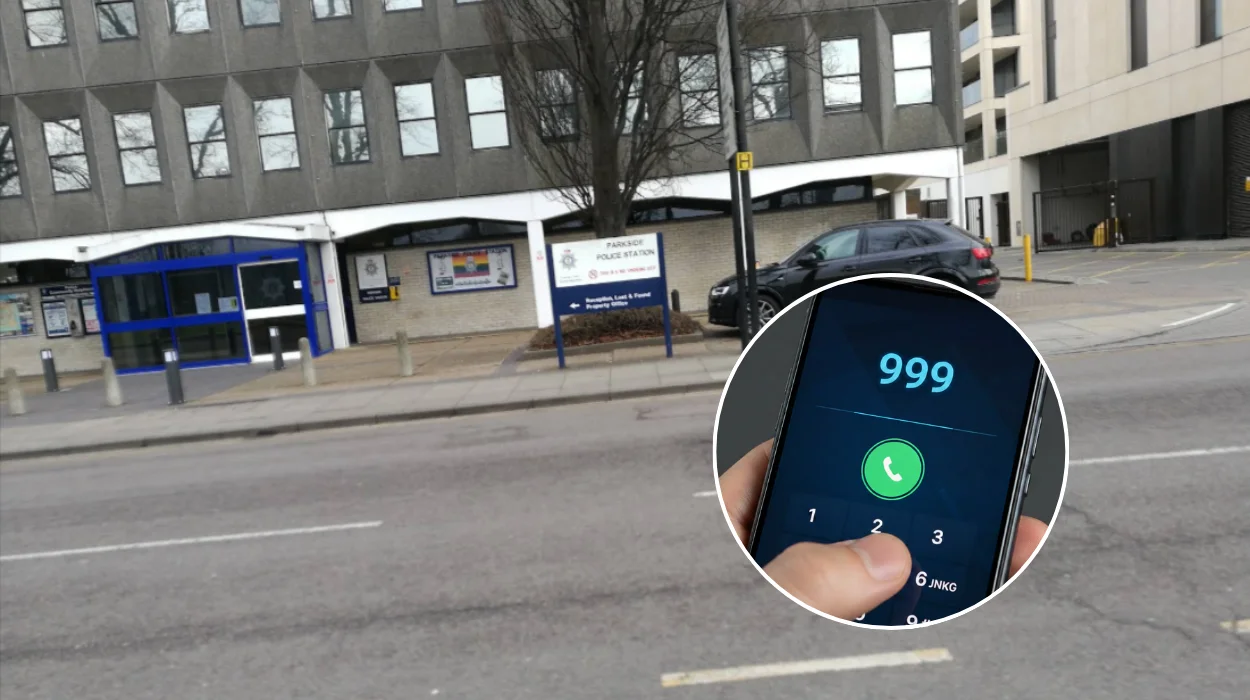
- Armed police and response units were dispatched to an address in St Neots following a hoax 999 call reporting three masked figures forcing entry into a house at around 10pm on 30 January 2026.
- The informant claimed the intruders wore balaclavas, carried firearms and an axe, and were dropped off by mopeds that sped away.
- Officers searched the property expecting to find people in danger but discovered it was a false alarm.
- Cambridgeshire Police spokesperson stated: “Our call handlers deal with hoax reports like this far too often. Each one ties up officers who could be responding to real emergencies and people who genuinely need help.”
- Police emphasised that every 999 call is recorded and traceable, even from withheld numbers or public phones.
- Misusing 999 is a criminal offence, punishable by up to six months in prison or a £5,000 fine.
- The incident occurred at Blackthorn Way, St Neots, as confirmed by Huntingdonshire Police Facebook post.
- This hoax diverted resources from genuine emergencies, highlighting ongoing issues with false reports in Cambridgeshire.
Cambridgeshire (Cambridge Tribune) 30 January 2026- Armed police officers raced to a residential address in Blackthorn Way, St Neots, after a hoax 999 call claimed three masked intruders armed with firearms and an axe were breaking in, only to find no danger and wasted resources. The false report at around 10pm diverted critical response units from potential real emergencies. Cambridgeshire Police condemned the call as part of a troubling pattern of hoaxes straining public safety services.
- Key Points
- What Triggered the Armed Police Response in St Neots?
- What Did Officers Find Upon Arrival?
- How Did Cambridgeshire Police Respond to the Hoax?
- Why Are Hoax 999 Calls a Growing Concern in Cambridgeshire?
- What Are the Legal Penalties for Making Hoax Calls?
- How Can the Public Avoid Misusing 999?
- Have Similar Hoax Incidents Occurred in St Neots Recently?
- What Measures Are Police Taking Against Hoax Callers?
What Triggered the Armed Police Response in St Neots?
The incident began at approximately 10pm on 30 January 2026 when Cambridgeshire Police control room received a distressing 999 call. As detailed in the official query summary, the informant reported:
“three masked figures were forcing their way into a house in St Neots.”
The caller specified the suspects wore balaclavas, possessed firearms and an axe, and arrived via mopeds that fled the scene. This alarming description prompted an immediate deployment of armed officers and response units to Blackthorn Way, St Neots, as posted by HuntsCops. HuntingdonTeam on Facebook:
“Police were called at 22:00 on 30/01/2026 to an address in Blackthorn Way, St Neots on suspicion of Burglary, this transpired to be a hoax.”
Officers conducted a thorough search of the property, prepared for a “frightening emergency” involving potential victims in immediate peril.
What Did Officers Find Upon Arrival?
Upon reaching the address, armed police discovered no intruders, no signs of forced entry, and no individuals in danger. The search confirmed the report was entirely fabricated, turning what was perceived as a high-risk armed burglary into a confirmed hoax.
No arrests were mentioned at the scene in immediate reports, but the incident underscored the operational impact of false alarms. Huntingdonshire Police’s social media update highlighted the address in Blackthorn Way, confirming the hoax nature without further details on occupants or traces.
How Did Cambridgeshire Police Respond to the Hoax?
A spokesperson for Cambridgeshire Police issued a strong statement condemning the misuse of emergency services. They said:
“Our call handlers deal with hoax reports like this far too often. Each one ties up officers who could be responding to real emergencies and people who genuinely need help.”
The force emphasised traceability measures:
“Every 999 call is recorded, and we can trace where calls from, even if the number is withheld or made from a public phone box.”
This capability enables identification of perpetrators despite attempts at anonymity.
Legal consequences were clearly outlined by the spokesperson:
“Misusing 999 and hoax calls is a criminal offence. You could face up to six months in prison or a fine of £5,000.”
Why Are Hoax 999 Calls a Growing Concern in Cambridgeshire?
Cambridgeshire Police highlighted the frequency of such incidents, noting they divert vital resources. Similar patterns appear in regional reports, such as SouthCambsCops Facebook post on two calls minutes apart: one genuine emergency and one deliberate misuse, with the hoax caller warned for wasting police time.
In broader context, hoaxes strain control rooms amid rising demands, as seen in past cases like Gwent Police’s armed raid on a hoax threat in Newport (BBC News, 17 April 2025), where two were arrested for malicious communications. Suffolk Police also arrested a teen for hoax machete and stabbing calls (BBC News, 30 October 2025).

Cambridgeshire’s Chief Constable has previously addressed response issues, as in Fenland traveller incidents where residents claimed ignored 999 calls (GB News, 28 January 2025).
What Are the Legal Penalties for Making Hoax Calls?
Under UK law, wasting police time via hoax 999 calls constitutes a criminal offence. Penalties include up to six months’ imprisonment or a £5,000 fine, as stated by the Cambridgeshire Police spokesperson.
More severe cases, like those involving bombs or wasting time under the Criminal Justice and Police Act, can lead to up to seven years, per historical Hertfordshire Constabulary examples. Police can disconnect offending mobiles and use recordings as evidence.
How Can the Public Avoid Misusing 999?
Cambridgeshire Police urge using 999 only for genuine emergencies: risk of injury, serious property damage, or crimes in progress. For non-emergencies, dial 101 or contact neighbourhood teams.
Chief Inspector examples from other forces, like Martin Cawley of Gwent Police, stress risk assessment:
“Given the gravity of what we believed to be a legitimate call, officers, including those armed, were dispatched.”
Have Similar Hoax Incidents Occurred in St Neots Recently?
St Neots has seen related crimes but few exact hoax matches. A 2022 antiques shop robbery involved masked attackers with weapons, shocking a family (BBC News, 1 October 2025). A 999 call captured a man fighting off armed burglars (BBC News video, 14 October 2025).
The 30 January 2026 hoax aligns with patterns like a St Neots man jailed for anti-Semitic hoaxes (BBC, 2021). Huntingdonshire Police’s prompt social media disclosure aids public awareness.
What Measures Are Police Taking Against Hoax Callers?
Traceability software locates callers precisely, per police statements. Recordings serve as court evidence, with potential mobile disconnections.
Cambridgeshire Constabulary actively publicises incidents, as in the Blackthorn Way post, to deter offenders. Public meetings, like Fenland’s with MP Steve Barclay, address response perceptions (GB News).

This incident reinforces education campaigns against hoaxes, ensuring resources prioritise real threats in St Neots and beyond.