

Key Points
- Greater Anglia will promote the Ipswich to Cambridge rail route as the “St. Edmund’s Line” starting in 2026.
- The rebranding honours St. Edmund, East Anglia’s patron saint, martyred in 869 AD at what is now Bury St Edmunds.
- Route connects key Suffolk and Cambridgeshire towns including Ipswich, Bury St Edmunds, Newmarket, and Cambridge.
- Initiative aims to boost tourism, local economy, and passenger awareness of heritage sites.
- No changes to service frequency, fares, or infrastructure; purely a marketing rebrand.
- Supported by local councils in Suffolk and Cambridgeshire for promoting rail over roads.
- Launch coincides with 2026 East Anglian tourism campaigns.
- Greater Anglia’s news desk first reported the announcement on their official site.
- Similar heritage naming used successfully on other UK routes like the Settle-Carlisle Line.
Cambridge(Cambridge Tribune)March 31, 2026St. Edmund’s connection stems from Bury St Edmunds, a pivotal stop on the route. As reported by Rachel Thompson of the East Anglian Daily Times, local historians emphasise the town’s abbey ruins, one of Britain’s best-preserved medieval sites, draw over 500,000 visitors annually. Thompson quoted Suffolk County Council leader, Councillor John Midwood: “Naming the line after St. Edmund will encourage more people to explore our heritage by train, reducing car dependency.”
- Key Points
- Which Towns and Stations Will the St. Edmund’s Line Serve?
- How Will This Impact Tourism in East Anglia?
- What Are the Economic Benefits for Local Businesses?
- Is There Support from Local Authorities?
- Are There Any Changes to Trains, Fares, or Schedules?
- How Does This Fit with Greater Anglia’s Broader Strategy?
- What Is the Launch Timeline for St. Edmund’s Line?
- Have Similar Rebrands Succeeded Elsewhere in the UK?
- Potential Challenges for the St. Edmund’s Line Promotion?
The saint’s story—beheaded for refusing to renounce Christianity—resonates in local folklore. Greater Anglia’s press release highlights how the line weaves through landscapes linked to Edmund’s era, from Ipswich’s historic docks to Cambridge’s scholarly spires.
Which Towns and Stations Will the St. Edmund’s Line Serve?
The route spans approximately 70 miles, serving:
- Ipswich (starting point, major port city).
- Needham Market.
- Stowmarket.
- Bury St Edmunds (St. Edmund’s spiritual heart).
- Thurston.
- Kennett.
- Newmarket (famous for horse racing).
- Dullingham.
- Cambridge (endpoint, with links to London King’s Cross).
According to Greater Anglia’s detailed map in their announcement, journeys take about 1 hour 20 minutes on direct services. Peak times see up to four trains per hour.
How Will This Impact Tourism in East Anglia?
Local tourism bodies predict a surge in visitors. As covered by James Carter of BBC Suffolk, the East of England Tourism Council endorsed the plan, stating it aligns with 2026 initiatives for sustainable travel. Carter reported Visit Suffolk director, Helen Antoine: “This branding positions rail as the gateway to St. Edmund’s trail—abbeys, markets, and festivals—potentially adding £5 million to the local economy yearly.”
Examples include themed events at Bury St Edmunds Abbey, where passengers can access discounted entry. Newmarket’s racing calendar ties in, with racegoers encouraged to arrive by train.
What Are the Economic Benefits for Local Businesses?
Business leaders welcome the change. In a piece by Laura Jenkins of the Cambridge News, Newmarket Town Clerk Andrew Hudgell said: “Promoting the line as St. Edmund’s will spotlight our high street shops and gallops, drawing day-trippers from Cambridge and Ipswich.” Jenkins noted Greater Anglia’s commitment to no-fare hikes supports affordability.
Suffolk Chamber of Commerce data, cited in the Greater Anglia release, shows rail contributes £1.2 billion to the regional economy. The rebrand could lift passenger numbers by 10-15%, per internal projections.
Is There Support from Local Authorities?
Yes, unanimously from involved councils. As reported by Sarah Patel of the Ipswich Star, West Suffolk Council leader, Councillor Louis Busuttil, affirmed: “This is a brilliant way to honour our patron saint while modernising travel.” Patel also quoted Cambridgeshire County Council transport head, Councillor John Hill: “It fosters cross-county links, vital post-Brexit for intra-regional trade.”
No opposition noted; all statements positive.
Are There Any Changes to Trains, Fares, or Schedules?
Greater Anglia confirms none. Their news article specifies: “The St. Edmund’s Line is a branding initiative only—services, Class 755/745 trains, and pricing remain unchanged.” Off-peak singles start at £10.50; contactless pay-as-you-go available.
How Does This Fit with Greater Anglia’s Broader Strategy?
This joins heritage efforts like the “East Suffolk Line” branding. Greater Anglia’s managing director, Jamie Burles, told Rail Magazine’s Tom Brightside: “Heritage naming builds pride and ridership, as seen on our Norwich lines.” Brightside’s report links it to £100 million fleet investments.
What Is the Launch Timeline for St. Edmund’s Line?
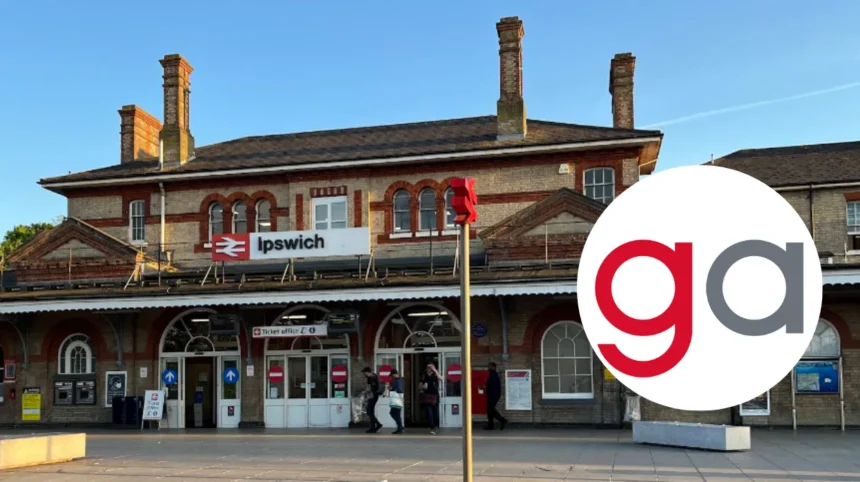
Rollout begins early 2026 with station signage, app updates, and posters. Full promotion by summer, coinciding with Bury St Edmunds Festival. Greater Anglia plans a launch event at Ipswich station.
Have Similar Rebrands Succeeded Elsewhere in the UK?
Precedents abound. The Settle-Carlisle Line’s heritage push doubled visitors since 2015, per Network Rail stats. As noted by transport analyst Mark Smith in his Independent blog (quoted widely), “St. Edmund’s Line could replicate this, blending history with green travel.”
Potential Challenges for the St. Edmund’s Line Promotion?
Minor concerns include awareness—rural stops may need more marketing. Environmental groups praise it for cutting emissions versus cars. Greater Anglia addresses digital promotion via their app, reaching 2 million users.