

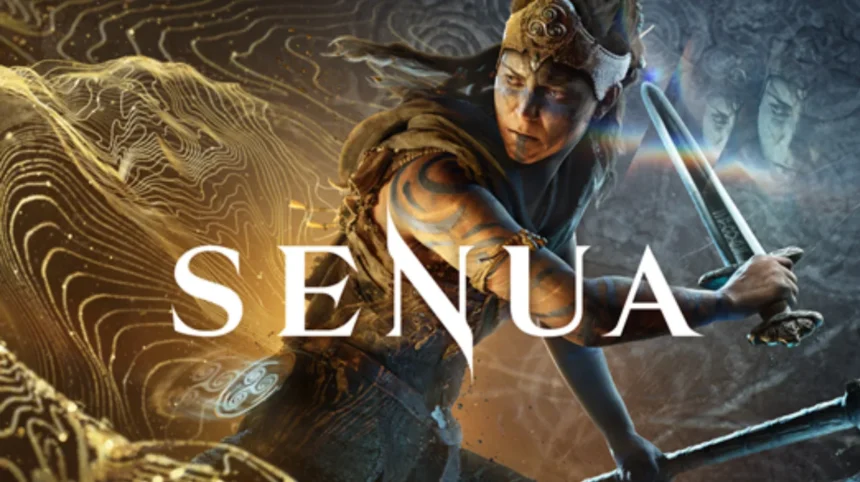
Cambridge’s very own Ninja Theory has been drawn into uncertainty following a wider restructuring of Microsoft’s gaming division, just weeks after the studio’s next project was publicly unveiled at a major Xbox showcase.
Showcase Reveal
At the Xbox Games Showcase 2026 earlier this month, Microsoft introduced Senua, the next entry in the Hellblade series from its first-party Cambridge-based studio. The reveal was presented as one of the showcase’s major highlights, featuring a cinematic trailer using in-game footage that continued Senua’s story and reaffirmed the studio’s ongoing work on the franchise.
Rising Uncertainty
However, the tone around the announcement has certainly shifted in the weeks since, following reports of a wider restructuring across Microsoft’s Xbox division.
Wider Xbox Restructuring
Industry reporting suggests that several first-party studios are now in discussions with Xbox leadership about their future structure, with options including potential spin-offs or changes in ownership as the company reassesses its portfolio.
Fable and Strategic Focus
Among those reportedly affected are Montreal-based Compulsion Games and San Francisco-based Double Fine, as Microsoft looks to prioritise its largest and most commercially successful franchises, including the upcoming reboot of the beloved Fable franchise. The game will be the first new mainline entry since the release of Fable III back in 2010 for the Xbox 360.
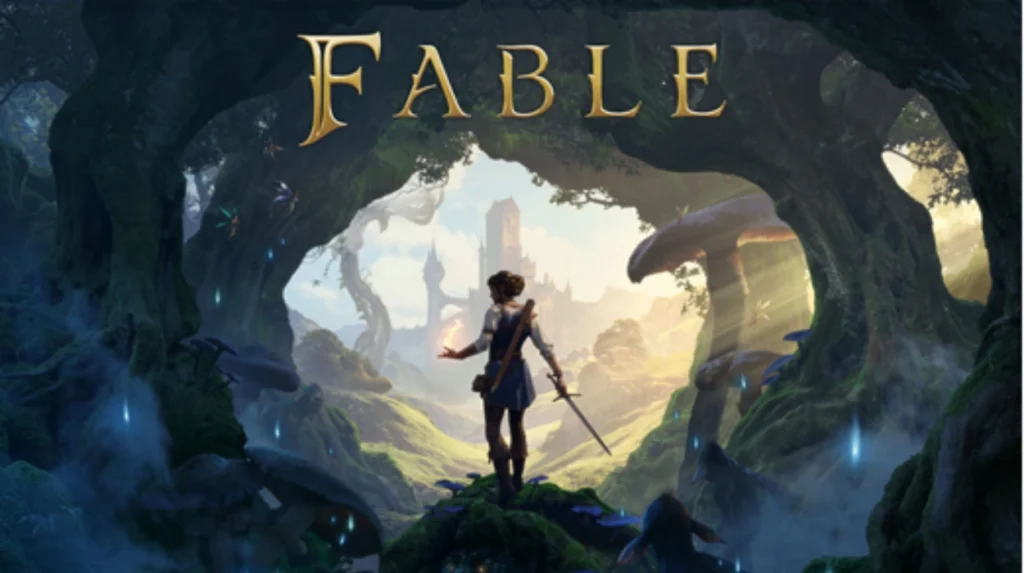
Developed by Playground Games, Fable was initially scheduled to release in the autumn but has now been pushed back until 23 February 2027 to avoid an overcrowded release schedule and to give the game ‘the dedicated moment it deserves.’
Xbox Statement on Fable Delay
In a statement posted on X, Xbox said:
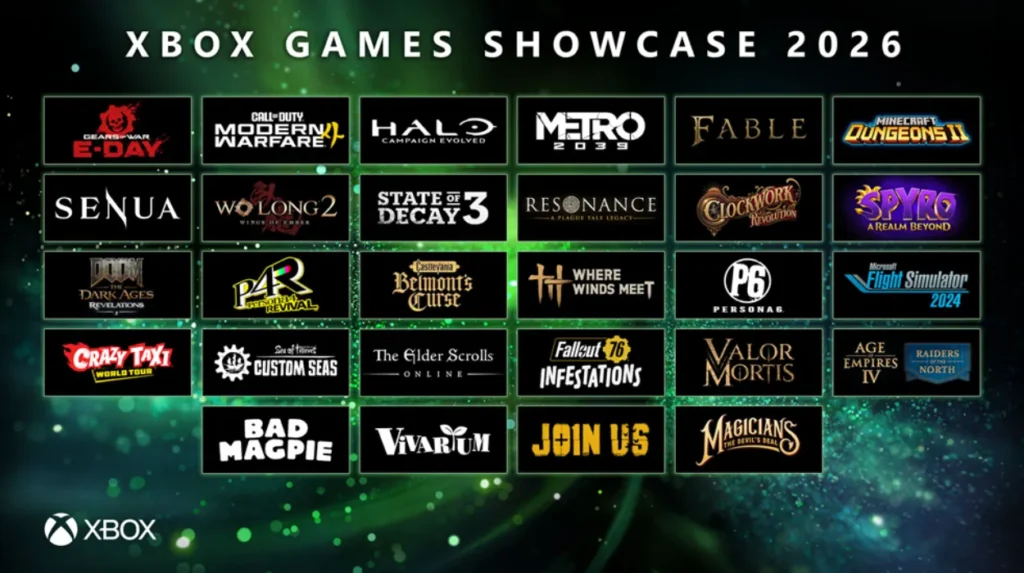
‘This is year is packed with incredible games for XBOX players to enjoy, from Halo: Campaign Evolved, Gears of War: E-Day and Call of Duty Modern Warfare 4 to Control Resonant, Star Wars: Galactic Racer and Grand Theft Auto VI. In order to plan our game launches through the works best for players, we’re moving Fable to February 2027 so it can have the dedicated moment it deserves. We’re excited to be giving players a major new look at Fable, as well as our broader lineup, at XBOX Games Showcase on June 7.’
Bloomberg Report on Studio Futures
For Cambridge-based Ninja Theory, the situation remains less certain. According to Bloomberg, several Xbox studios are in ‘active negotiations to spin off as they try to thwart closure.’
It also reported that affected studios ‘may still have the opportunity to buy themselves back from Xbox and go independent’, although it added that ‘many employees will likely lose their jobs as a result.’
Corporate Reset and Financial Pressure
The uncertainty follows a warning from Xbox CEO Asha Sharma that a corporate ‘reset’ was necessary across Microsoft’s gaming division. In a memo to staff, Sharma said Xbox had invested more than $20 billion in content, platform and hardware subsidies over the past five years while annual revenue had declined. She also revealed the division was operating with a 3% profit margin and warned that ‘going forward, this cannot continue.’
Industry Reaction
Analysts told IGN that the comments signalled the likelihood of layoffs and studio closures, particularly among smaller, critically acclaimed developers that do not generate the same commercial returns as Xbox’s biggest franchises. Sharma has indicated that series such as Halo, Gears of War, and Minecraft will play a central role in the company’s future strategy.
Cambridge Studio Background
Founded in Cambridge as Just Add Monsters in March 2000, Ninja Theory was established by Mike Ball, Nina Kristensen and Tameem Antoniades, all of whom had previously worked for Sony Computer Entertainment.
The studio went on to establish itself with a string of high-profile releases including Heavenly Sword, Enslaved: Odyssey to the West and DmC: Devil May Cry. It later achieved its greatest critical success with Hellblade: Senua’s Sacrifice in 2017, which was praised for its storytelling and portrayal of mental health, and followed it up with Senua’s Saga: Hellblade II in 2024. The franchise has since become closely associated with Xbox’s narrative-driven portfolio.
Microsoft acquired the studio in 2018 as part of a major expansion of its first-party development studios, integrating it into Xbox Game Studios as it sought to strengthen its line-up of single player titles in response to the growing ‘exclusives arms race’ with Sony and Nintendo.
Current Outlook
But for now, the future of both Ninja Theory and Senua remains unclear. While the game was positioned as a key part of Xbox’s upcoming lineup during this month’s showcase, reports suggest the Cambridge studio is among several teams whose long-term future is still being decided as Microsoft is forced to restructure its Xbox division.