
Key Points
- Residents in the Cambridgeshire village of Milton say the nearby A10 and other major roads “won’t cope” with traffic from up to 11,000 new homes planned at neighbouring Waterbeach Barracks.
- Milton, home to more than 4,000 people, is often seen as a cheaper alternative to living in Cambridge while still offering strong transport links to the city and nearby employment sites.
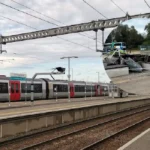
- The village sits beside key strategic routes including the A10, A14 and M11, and is close to Cambridge Science Park and Cambridge North station, making traffic capacity a central concern.
- A major development at the former RAF Waterbeach Barracks is set to deliver up to 11,000 homes, raising fears of congestion and pressure on local infrastructure.
- Long‑term Milton resident Tom Herring, 76, who has lived in the village for 25 years, believes the “major roads won’t cope” with the additional traffic from the new development.
- Some residents describe Milton as a “quiet” village with “good facilities”, including a large Tesco store, and fear these qualities could be undermined by heavier traffic and population growth nearby.
- Concerns focus on whether road upgrades, junction improvements and wider transport measures will be delivered in time to match the pace of housebuilding at Waterbeach.
- Residents are also worried about knock‑on effects on safety, noise, air quality and journey times for people commuting into Cambridge or travelling to local amenities.
- Supporters of growth highlight the need for more housing in the Cambridge area, but villagers stress that infrastructure, particularly the A10, must be properly planned and funded.
- The debate reflects wider tensions in Cambridgeshire between meeting housing demand and ensuring rural and edge‑of‑city communities remain liveable and well‑connected.
Milton (Cambridge Tribune) July 17, 2026 – Cambridge, often regarded as a more affordable place to live while retaining easy access to the city centre. Residents point to its position near the A10, A14 and M11, as well as proximity to Cambridge Science Park and Cambridge North station, as key reasons why it has become a popular base for commuters and local workers. Some people in the village describe it as a “quiet” place with “good facilities”, highlighting the presence of a large Tesco store and other local amenities as evidence that Milton offers a convenient, self‑contained environment.
- Key Points
- What is planned at Waterbeach Barracks and how close is it to Milton?
- Why does Tom Herring believe the roads ‘won’t cope’?
- How could traffic from 10,000 new homes affect Milton’s main routes?
- What are residents saying about facilities and village character?
- How does Milton’s location near Cambridge shape the debate?
- How does the Waterbeach development fit into wider housing needs?
- What other local concerns have been raised around safety and disruption?
- Are there any potential benefits for Milton from the nearby growth?
- Are there related incidents highlighting community concern in the wider area?
- Background to Milton, Waterbeach Barracks and the A10
- Prediction: How could this development affect Milton residents and road users?
At the same time, the very transport links that make Milton attractive are now at the heart of local concerns. With key roads already busy at peak times, villagers fear that large‑scale housing growth nearby could tip the network into frequent congestion. For long‑term residents, there is a sense that Milton’s balance between village character and strong connections to Cambridge could be put under strain as major developments come forward.
What is planned at Waterbeach Barracks and how close is it to Milton?
The development that has triggered the latest concerns is at Waterbeach Barracks, a former RAF site north of Cambridge that is earmarked for a major new settlement. Plans allow for up to 11,000 homes to be built there, effectively creating a large new town next to existing communities. The barracks site sits close to Milton, raising questions about how traffic from thousands of new households will interact with the existing local road network.
Because Waterbeach and Milton share key connections into Cambridge, residents in Milton are looking closely at the likely routes future drivers will use. Many expect the A10 in particular to carry a significant share of additional journeys between the new homes and employment hubs such as the science park, central Cambridge and other parts of the region. The scale of the Waterbeach Barracks scheme means villagers are not just thinking about minor change but about a substantial and long‑lasting shift in how local roads are used.
Why does Tom Herring believe the roads ‘won’t cope’?
As reported from Milton, 76‑year‑old resident Tom Herring has lived in the village for 25 years and has seen gradual changes in traffic and development over that period. He believes that the major roads around Milton, especially those connecting to Cambridge, “won’t cope” with the increased traffic generated by the new homes at Waterbeach. In his view, existing congestion, combined with the sheer number of properties planned, risks overwhelming junctions and main routes if sufficient upgrades are not in place.
Herring says, “We have everything right here, with the science park and Cambridge North,” emphasising how closely tied Milton is to key employment and transport hubs. That comment underlines why he and others are so focused on road capacity: many residents rely on quick, reliable links to these sites for work and daily life. His remarks reflect a broader sentiment in the village that growth should not come at the cost of everyday practicality for people who already live in the area.
How could traffic from 10,000 new homes affect Milton’s main routes?
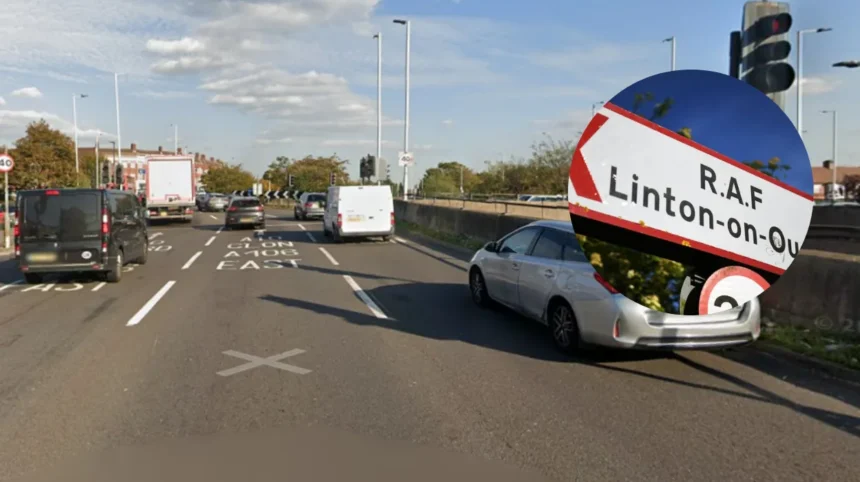
Local fears centre on the cumulative impact of thousands of extra car journeys on roads that are already busy during rush hour. The A10, which runs between Ely and Cambridge and passes close to both Waterbeach and Milton, is viewed as particularly vulnerable to congestion once the new development is built out. Villagers worry about longer journey times, queues stretching back towards the village and delays for buses, delivery vehicles and emergency services.
There is also concern about the wider network of major routes around Milton, including the A14 and M11, which already handle significant regional and national traffic. Residents fear that if the A10 becomes regularly congested, drivers may increasingly divert through local roads in and around Milton to avoid hold‑ups. That could bring heavier traffic into residential areas, potentially affecting road safety, noise levels and the sense of Milton as a relatively quiet community on the edge of the city.
What are residents saying about facilities and village character?
Alongside transport, many Milton residents stress that the village’s facilities are a key part of its appeal. People point to the large Tesco supermarket as a major asset, providing convenient access to groceries and other essentials without needing to travel into Cambridge. They also highlight various local services and amenities that help the village feel self‑sufficient while still being closely linked to the city. These features, combined with lower housing costs compared with Cambridge itself, make Milton an attractive option for families, commuters and older residents alike.
Some villagers fear that increased traffic and pressure on infrastructure could erode these advantages over time. Heavier road use might make everyday trips more stressful, while population growth in the wider area could lead to busier local services and more competition for resources. For residents who value Milton’s quieter atmosphere and relatively easy access to both shops and countryside, the prospect of being on the edge of a major new settlement raises questions about how much the village may change in the coming years.
How does Milton’s location near Cambridge shape the debate?
Milton’s position as a neighbour to Cambridge is central to both its popularity and the concerns now being voiced. The village is close to Cambridge Science Park and served by Cambridge North station, making it well‑placed for people working in high‑tech, research and other sectors anchored in and around the city. Those connections are likely to be equally attractive to future residents of Waterbeach Barracks, meaning that transport corridors between the new homes and these destinations will be under heavy pressure.
For existing Milton residents, this geography creates a double‑edged situation. On one hand, it reinforces the argument that new housing is needed to support a growing economy and provide more options for people who want to live near Cambridge but cannot afford city prices. On the other hand, it intensifies worries that the supporting infrastructure may lag behind, leaving villages like Milton to bear the brunt of additional traffic and associated impacts before full mitigation measures are in place.
How does the Waterbeach development fit into wider housing needs?
The Waterbeach Barracks project is part of a broader strategy to meet housing demand in and around Cambridge, where high prices and limited supply have been long‑standing issues. By delivering up to 11,000 homes on a large, brownfield site, planners aim to create a new community capable of supporting its own services and amenities while easing pressure on existing urban areas. For people struggling to find a home in or near Cambridge, such developments are seen as an important part of the solution.
However, residents in Milton and other nearby communities are keenly aware that large‑scale growth brings challenges as well as opportunities. They question whether road upgrades, public transport improvements and other infrastructure projects will be funded and delivered in a timely way. The debate over the A10’s capacity illustrates a broader tension: how to balance the need for more homes with the imperative to protect quality of life and maintain efficient, safe transport networks for current and future residents alike.
What other local concerns have been raised around safety and disruption?
Beyond congestion, villagers are raising questions about road safety, particularly if traffic through and around Milton increases significantly. More vehicles on major roads and potential rat‑running through local streets could heighten risks for pedestrians, cyclists and schoolchildren. People living near busy routes are also worried about higher noise levels and worsening air quality, especially at peak times when traffic is heaviest.
There are also practical worries about everyday disruption, from longer queues at junctions to delays in reaching healthcare, workplaces and schools. For older residents or those without access to flexible transport options, these changes could have a direct impact on independence and routine. While some of these concerns remain speculative until the development progresses further, they are shaping local conversations and informing how residents view the plans at Waterbeach Barracks.
Are there any potential benefits for Milton from the nearby growth?
Despite the concerns, some residents and observers recognise that a large new settlement at Waterbeach could bring indirect benefits to Milton. A bigger local population might support improved bus services, more frequent trains from nearby stations or additional investment in cycling and walking routes. Over time, upgraded road infrastructure could also help relieve existing pinch points and provide more reliable connections for everyone in the area.
In economic terms, more homes and people in the vicinity of Milton could support local businesses, create new job opportunities and attract further investment into the north Cambridge corridor. If carefully planned, shared infrastructure could enhance access to services and amenities for both new and existing communities. However, many Milton residents emphasise that these potential benefits need to be clearly demonstrated and matched by robust plans to manage the downsides they currently fear.
Are there related incidents highlighting community concern in the wider area?
Coverage of other recent incidents in the Cambridge area, such as a man killing a “selfless” stranger with a single punch in what was described as a “cowardly attack”, and a separate case where a person was left with a broken nose after a “disorder” at a city pub boxing event, shows the sensitivity of local communities to issues of safety and public order. While these incidents are not directly connected to the Milton and Waterbeach development, they form part of the broader context in which residents assess changes affecting their environment and daily life.
For people in Milton, the prospect of significantly more traffic and a larger regional population feeds into wider questions about how growth is managed and how safe, cohesive communities are maintained. Concerns about roads “not coping” are therefore about more than just travel time; they also touch on perceptions of security, community character and the capacity of local institutions and infrastructure to adapt to rapid change.
Background to Milton, Waterbeach Barracks and the A10
Milton has developed over recent decades as a key fringe village to Cambridge, sitting close to major employment centres and benefiting from substantial transport investment in the wider region. Its role as a comparatively affordable alternative to living in central Cambridge has led to steady population growth, supported by large retail facilities such as the local Tesco and links to the A10, A14 and M11. This history explains why residents are so conscious of how further expansion around them could alter established patterns of life and movement.
Waterbeach Barracks, the former RAF site, has been earmarked for transformation into a large new community designed to help meet both local and national housing targets. The A10 corridor, which ties Ely, Waterbeach, Milton and Cambridge together, has long been recognised as a strategic route with limited capacity at peak times. Plans for thousands of new homes along this corridor have therefore been accompanied by repeated discussions about the need for investment in road upgrades, public transport and active travel infrastructure. The current concerns voiced in Milton reflect ongoing uncertainty over how quickly and comprehensively those improvements will materialise as housebuilding advances.
Prediction: How could this development affect Milton residents and road users?
Looking ahead, the build‑out of up to 11,000 homes at Waterbeach Barracks is likely to bring gradual but significant change for Milton residents and regular users of the A10 and surrounding routes. In the short to medium term, people living in Milton may experience more frequent congestion, particularly at peak times, as construction progresses and new households move in. This could lengthen commute times, affect punctuality for work and school, and increase frustration for drivers, bus passengers and delivery services using the A10 corridor.
Over a longer period, the way the development affects Milton will depend heavily on the scale and timing of transport and infrastructure upgrades delivered alongside the new housing. If road improvements, better public transport links and safe walking and cycling routes are implemented effectively, some of the current fears may be eased, and residents could benefit from enhanced connectivity and services. If, however, infrastructure lags behind population growth, Milton’s villagers and other road users may continue to feel that major routes “won’t cope”, reinforcing concerns about congestion, safety and quality of life on the northern edge of Cambridge.