Key Points
- Mark Linton won the Ward 2 seat in Cambridge with 1,334 votes, defeating incumbent Mike Devine by 29 votes.
- David Guerin took the Ward 7 seat after receiving 865 votes in a five-candidate race to succeed Scott Hamilton.
- Former Ward 7 councillor Scott Hamilton defeated incumbent mayor Jan Liggett, securing over 56 per cent of the total vote.
- Incumbent city councillors in six other municipal wards won re-election.
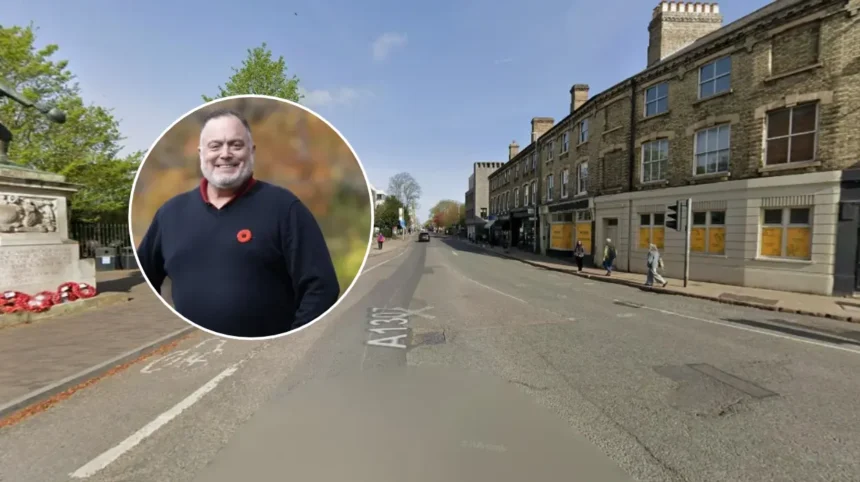
Cambridge (Cambridge Tribune) October 31, 2026 — As reported by staff writers at Cambridge Today, municipal election results confirmed that Mark Linton and David Guerin secured seats on the Cambridge city council through tight margins in Ward 2 and Ward 7.
Official returns published by the municipality demonstrated that Linton gained 1,334 votes, accounting for 29.2 per cent of the total ballot count in Ward 2. This result placed him narrowly ahead of incumbent councillor Mike Devine, who received 1,305 votes, or 28.6 per cent, ending his tenure on council that began in 2014.
In Ward 7, David Guerin finished first in a crowded contest featuring five contenders to succeed Scott Hamilton. Guerin recorded 865 votes (28.9 per cent), closely pursued by Manuel Da Silva, who gathered 804 votes. The remaining candidates in the Ward 7 contest included John Teat with 702 votes, Tasneem Chhadiya with 521 votes, and Dani Ieso with 98 votes.
As reported by CityNews Kitchener, Scott Hamilton stated that “the city is entering a transformative period,” adding that “working alongside both new and returning councillors will be vital for key infrastructure projects”.
“The city is entering a transformative period, and working alongside both new and returning councillors will be vital for key infrastructure projects.”
What Were the Overall Results Across the City Wards?
The wider municipal outcome saw the election of Scott Hamilton as the new Mayor of Cambridge. Hamilton earned 17,444 votes, representing 56.8 per cent of the overall mayoral vote, defeating incumbent Mayor Jan Liggett, who finished with 3,473 votes (11.3 per cent).
Six incumbent councillors retained their municipal seats across the remaining wards. Helen Shwery was re-elected in Ward 1 with 1,958 votes (51.8 per cent). In Ward 3, Corey Kimpson secured re-election with 2,468 votes (79.6 per cent). Ross Earnshaw retained Ward 4 with 1,747 votes (58.6 per cent).
Sheri Roberts won Ward 5 with 4,056 votes (88.4 per cent). Adam Cooper maintained his position in Ward 6 with 1,750 votes (44.5 per cent). Nicholas Ermeta was re-elected in Ward 8 with 1,874 votes (47.1 per cent).
As reported by local election coverage, David Guerin stated that “drawing upon school board trustee experience will help guide decisions at City Hall”.
“Drawing upon school board trustee experience will help guide decisions at City Hall.”
What Is the Background of This Particular Development?
The municipal election marked a significant shift in the administrative structure of Cambridge council. Prior to the vote, Scott Hamilton served as the Ward 7 representative, having held the post since 2020. His decision to run for mayor created an open race in Ward 7, which attracted a diverse field of five candidates.
In Ward 2, Mike Devine had served as councillor since 2014, making his defeat one of the primary changes to the council’s roster.
The retention of six incumbent members maintains continuity across the majority of the municipal districts, alongside new leadership in the mayoral office and the two newly filled ward seats.
How Will This Development Affect Local Residents and Taxpayers?
The entry of Mark Linton and David Guerin into the council, combined with Scott Hamilton assuming the mayoral role, introduces new perspectives to municipal decision-making in Ward 2 and Ward 7.
For local residents, the close margins of victory highlight a divided electorate on local priorities such as development, infrastructure, and ward-level services.
The presence of six returning councillors provides administrative stability, while the new members will directly represent their respective ward communities in upcoming municipal budget negotiations and local planning decisions.