
Key Points
- Man fined heavily for illegal fly-tipping in Cambridgeshire area.
- Court orders £2000 victim surcharge plus additional penalties.
- Waste traced from London to rural South Cambridgeshire location.
- Council praises investigation securing conviction in London court.
Cambridgeshire (Cambridge Tribune News) January 26, 2026 – A man has been ordered to pay £2000 as part of a substantial penalty following his conviction for fly-tipping in Cambridgeshire, marking another successful prosecution by local authorities against environmental crime. The case, which garnered attention across regional media, underscores ongoing efforts to combat illegal waste dumping in the county. As reported in various outlets including Cambridgeshire Live and South Cambridgeshire District Council announcements, the offender now faces a criminal record alongside the financial burden.
- Key Points
- What happened in the cambridgeshire fly-tipping incident?
- Who was ordered to pay the £2000 penalty?
- What did council officials say about the ruling?
- Why is fly-tipping a major issue in cambridgeshire?
- How can residents avoid fly-tipping penalties?
- What are the legal consequences of fly-tipping?
- Has cambridgeshire seen similar fly-tipping cases recently?
- What steps is the council taking next?
What happened in the cambridgeshire fly-tipping incident?
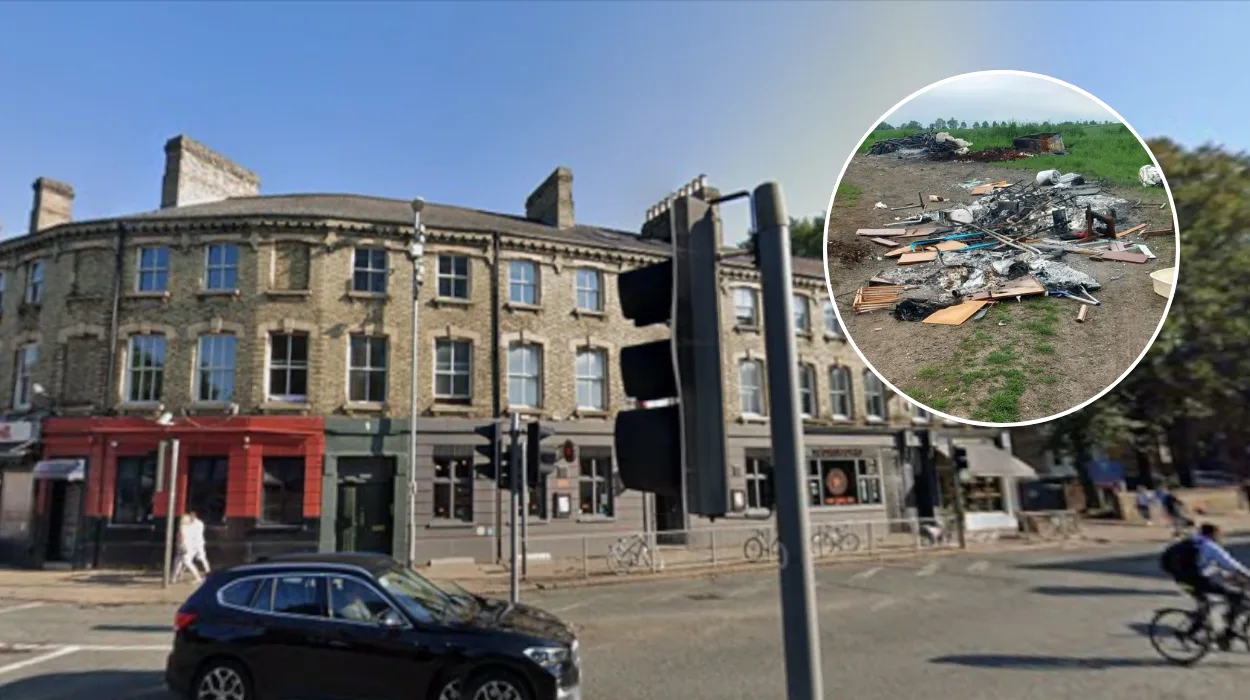
Environmental Crime Officers from South Cambridgeshire District Council responded to a report of fly-tipping just off the Caxton Bypass in South Cambridgeshire. The dumped waste included household rubbish, a Christmas tree, cardboard, broken furniture, children’s toys, and black waste bags, located more than 50 miles from the suspect’s North London home. Officers photographed the site, seized evidence, and traced the materials to a 56-year-old man residing in North London.
As detailed by South Cambridgeshire District Council in their official news release, the suspect denied any wrongdoing and could not give a valid reason why his waste was fly-tipped an hour and a half’s drive away in Caxton. The investigation highlighted the distance travelled, emphasising the deliberate nature of the act. Cambs News reported that the mound of discarded household items was left at the roadside, prompting swift council action.
Who was ordered to pay the £2000 penalty?
The offender, a 56-year-old North London resident whose specific name was not disclosed in primary council reports but referenced in BBC coverage as linked to Whitefriars Avenue in Harrow, failed to attend his court hearing. The case was heard in his absence at Willesden Magistrates’ Court in London. He was found guilty of fly-tipping under relevant environmental legislation.
According to the South Cambridgeshire District Council press release, he was given a £5,000 fine, ordered to pay a victim surcharge of £2,000 and full costs of £2,005, totalling £9,005. BBC News confirmed the fine structure, noting the £5,000 penalty alongside the £2,000 surcharge and costs. This outcome leaves him with a permanent criminal record.
Where and when did the court case take place?
The fly-tipping occurred off the Caxton Bypass in South Cambridgeshire, with the court hearing held at Willesden Magistrates’ Court in London. The conviction was reported in mid-November 2025, with South Cambridgeshire District Council publishing details on 17 November 2025. Cambs News followed up on 18 November 2025, reiterating the location specifics.
As reported by BBC News on 24 November 2025, the waste was found dumped an hour-and-a-half’s drive from the man’s home. Cllr Peter Sandford, district councillor for Caxton and Papworth, commented on the proximity to local areas. The case’s hearing in a London court was noted as potentially the first for South Cambridgeshire fly-tipping prosecutions.
What did council officials say about the ruling?
Cllr Natalie Warren Green, Lead Cabinet Member for Environment at South Cambridgeshire District Council, stated in the council’s news item,
“We believe this is the first time one of our fly tipping cases has been heard in a London court and it is a large sum of money he has been ordered to pay – over £9,000 – which sends a very clear message that fly tipping is not tolerated”.
She further emphasised,
“Fly-tipping isn’t just an eyesore, it’s illegal, harmful to our environment, and unfair to our communities. Everyone has a legal duty to dispose of waste responsibly”.
Cllr Peter Sandford, a district councillor for Caxton and Papworth, remarked as quoted by the council,
“I’m appalled that someone would drive all the way from London to dump their rubbish in beautiful South Cambridgeshire. I commend the Environmental Crime team for their excellent detective work in tracking down this offender”.
A council spokesperson in Cambs News added,
“Cases like this show our determination to take action against environmental crime. Fly tipping damages our countryside, poses risks to wildlife, and costs taxpayers money”.
Why is fly-tipping a major issue in cambridgeshire?
Fly-tipping burdens councils with cleanup costs and environmental damage, as highlighted across reports. In this instance, the waste posed risks to green spaces over 50 miles from the offender’s location. South Cambridgeshire District Council noted it as unfair to communities and harmful to wildlife.
Broader context from similar cases, such as a 2022 Huntingdonshire prosecution reported by Cambs News, shows recurring issues, with Steven Jabbar fined £2,000 plus £1,800 costs for dumping commercial waste in St Neots. Cllr Stephen Ferguson stated then, “This is yet another successful prosecution which shows that we will not give up chasing fly-tippers”. Cambridge City Council prosecutions in 2023 involved fines up to £402 plus costs for household waste dumping.
How can residents avoid fly-tipping penalties?
South Cambridgeshire District Council advised residents to only use authorised waste collectors registered with the Environment Agency, obtain paperwork including a written record of waste disposal, and keep waste secure. Failing to follow these rules can lead to a Fixed Penalty Notice of £600 or more or a court issued fine of up to £5,000. They encouraged reporting via their website and booking council collections for bulky waste.
Cllr Natalie Warren Green urged,
“Whether it’s garden clippings, old furniture, or DIY rubble, we urge residents to make sure it’s handled the right way by licensed professionals”.
Cllr Peter Sandford echoed,
“I encourage all residents of South Cambridgeshire to report any fly tipping on the Council’s website”.
Cambridge City Council similarly promotes checking waste carriers online and refusing unsolicited offers.
What are the legal consequences of fly-tipping?
Under the Environmental Protection Act 1990, fly-tipping carries fines up to £50,000 in magistrates’ courts or unlimited in higher courts, plus potential imprisonment up to five years. Vehicles can be seized. In this case, the total exceeded £9,000, including fine, surcharge, and costs.
As per North Devon Council in a related 2025 case, Roxanne Pitteway paid £2,200 total for similar offences. Councillor Julie Hunt praised enforcement there. South Cambridgeshire’s action aligns with regional trends, pursuing offenders regardless of residence.
Has cambridgeshire seen similar fly-tipping cases recently?
Yes, including a July 2025 handyman prosecution for dumping in a village car park, fined nearly £4,000. Older cases like Steven Jabbar’s £3,800 penalty in 2022 involved traced commercial waste. Cambridge City Council handled three household waste cases in 2023, with fines from £100 to £402 plus surcharges and costs. Cllr Rosy Moore noted the impact on cleanup budgets and wildlife.
BBC reports on organised fly-tipping indicate national rises, with councils facing millions in costs. Local teams invest in prevention, like extra funding in some areas.
What steps is the council taking next?
South Cambridgeshire District Council continues investigations and encourages reporting. They promote licensed disposals and evidence retention. Similar to other councils, they deploy environmental crime teams for tracing and prosecution.
The £9,005 penalty serves as a deterrent, with officials vowing pursuit across borders. Residents are directed to official channels for collections and reports, aiming to protect green spaces.