
Key Points
- The Stained Glass Museum is the United Kingdom’s only museum dedicated exclusively to the art of stained glass, located within the triforium gallery of Ely Cathedral in Cambridgeshire.
- It houses a nationally significant collection of over 1,000 stained glass panels, designs, materials, and tools spanning from the 13th century to the present day.
- The museum opened to the public on 30 March 1979 in the north triforium of Ely Cathedral, later moving to the south triforium after redevelopment.
- Visitors access the museum via a spiral stone staircase of 40 steps from the cathedral’s south-west transept; no lift access is available.
- The permanent gallery displays over 125 panels at eye-level in chronological order, including loans from the Victoria and Albert Museum and the Royal Collection.
- Notable artworks include a 13th-century French Bust of a King (c.1210), William Morris’s Minstrels (c.1870-1889), John Piper’s Experimental Panel (c.1956), and contemporary pieces like Kehinde Wiley’s Saint Adelaide (2014).
- Founded in 1972 to rescue stained glass from redundant churches, with early involvement from Sir Trenchard Cox and Martin Harrison.
- King Charles III serves as Patron, having accepted the role in 1999 during the museum’s 25th anniversary appeal.
- Admission: Adults £6.50, Students £6, Under 16s free with paying adult; open Monday-Saturday with seasonal hours; free for National Art Pass holders.
- The museum offers workshops, talks, family activities, and temporary exhibitions, such as “Goddard & Gibbs: To the East” in January 2026.
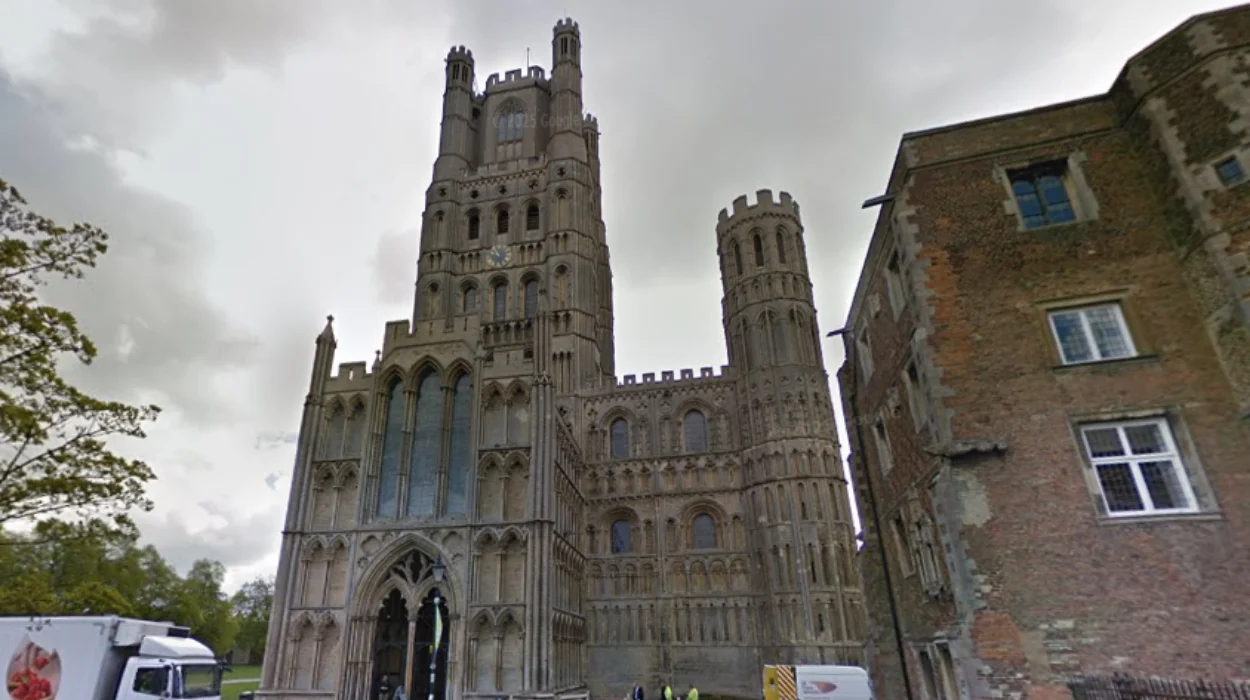
- Ely Cathedral, one of Cambridgeshire’s finest, is a Grade I listed medieval structure known for its Gothic architecture, providing a dramatic setting for the museum.
Cambridgeshire (Cambridge Tribune) February 7, 2026 -Nestled high within the ancient walls of Ely Cathedral, one of Cambridgeshire’s architectural jewels, the Stained Glass Museum stands as the UK’s sole dedicated repository for this luminous art form. This hidden gem showcases a breathtaking array of stained glass panels tracing eight centuries of craftsmanship, drawing visitors up a spiralling staircase to eye-level encounters with masterpieces that once illuminated sacred spaces across Britain.
- Key Points
- What Makes This Museum Unique?
- Where Exactly Is the Museum Located?
- When Did the Museum Open and What Is Its History?
- What Can Visitors See in the Collection?
- How Do Visitors Access the Museum and What Are the Practical Details?
- What Activities and Events Does It Offer?
- Why Is Ely Cathedral the Perfect Home for This Museum?
What Makes This Museum Unique?
The Stained Glass Museum’s unparalleled focus on stained glass sets it apart as the only institution of its kind in the United Kingdom. As detailed on the museum’s official website, it boasts a
“nationally-significant collection of stained glass, associated designs, materials and tools which reveal the development of this unique art from the 13th century to present day.”
Wikipedia editors note that the museum, located in the triforium of Ely Cathedral, preserves over 1,000 panels, both complete and fragmentary, originally gathered to save works from demolished churches. This mission-driven origin underscores its role as a guardian of Britain’s stained glass heritage.
Ely Cathedral’s Visitor page emphasises that the permanent gallery features
“over 125 stained glass panels representing eight hundred years of the history of this ancient art,”
displayed at close quarters for an immersive experience.
Where Exactly Is the Museum Located?
Tucked away in the south triforium gallery of Ely Cathedral, the museum is accessible solely via a
“spiral stone staircase of 40 steps from the south-west transept,”
as confirmed by the cathedral’s events listing. The official museum site reinforces this, warning that it is
“on an upper level of a Grade-I listed medieval Cathedral”
with no lift, advising visitors to plan accordingly.
Ely Cathedral itself, often hailed as one of Cambridgeshire’s finest, provides a majestic backdrop with its Gothic arches and the iconic Octagon Tower. The iLove-Ely community page describes the setting as ideal, positioning Ely as
“a small city fifteen miles north of Cambridge.”
What3Words coordinates ///spines.cupboards.removals pinpoint the entrance for precise navigation.
When Did the Museum Open and What Is Its History?
The museum traces its roots to 1972, when it was established as a repository for at-risk stained glass from redundant buildings. According to Wikipedia, a steering committee chaired by Sir Trenchard Cox, former Director of the Victoria and Albert Museum, oversaw the initiative, with art historian Martin Harrison as a founding trustee and early curator.
It first welcomed the public on 30 March 1979 in the north triforium, later relocating to the south triforium post-redevelopment. The Stained Glass Museum Trust, formed in the 1970s, continues to rescue and preserve panels, as reported by iLove-Ely.
King Charles III has been Patron since 1999, accepting during the 25th anniversary appeal, highlighting royal endorsement of its cultural mission.

What Can Visitors See in the Collection?
The permanent display chronologically arranges over 125 panels, complemented by loans from prestigious bodies. Standouts include the early French Bust of a King (c.1210, purchased 2003), St Vincent on the Gridiron (c.1225-1250, acquired 2021), and 15th-century English Scenes from the life of the Virgin.
Nineteenth-century gems feature James Pearson’s Portrait of George III (1793, on loan since 1992), Dante Gabriel Rossetti’s Labours of the Months (1863), and William Morris’s Minstrels (gifted 2016). Modern works span John Piper’s Experimental Panel (c.1956, on loan since 2003), Evie Hone’s Christ Meeting his Mother (c.1950), and Brian Clarke’s Peel Cottage Window (1982).
Contemporary highlights include Kehinde Wiley’s Saint Adelaide (2014, purchased 2021) and Pinkie Maclure’s Beauty Tricks (2017, purchased 2024). The Visit East of England site praises the “specially lighted display boxes” housing pieces from William Morris to Brian Clarke.
Preparatory designs, cartoons, tools, and materials further enrich the exhibits, illustrating production techniques.
How Do Visitors Access the Museum and What Are the Practical Details?
Entrance requires a ticket, available online combined with cathedral admission or at the door. Pricing includes Adults at £6.50, Students £6, and free for under 16s with a paying adult; annual passes offer repeat access.
Summer hours (1 April–31 October) run Monday-Saturday 10:00am–5:00pm (last admission 4:30pm); winter adjusts to 4:00pm closing. Closures occur for cathedral events—check schedules via Ely Cathedral’s site.
Groups of 10+ receive discounts; schools book via learning@stainedglassmuseum.com. Facilities include a gift shop with handmade glass items, but no toilets or cafe on-site—use cathedral or nearby options. Well-behaved dogs and personal photography are permitted.

Ely is reachable by train (15-20 minutes from Cambridge, 1 hour 15 from London) or car, with free parking nearby.
What Activities and Events Does It Offer?
An
“engaging learning programme”
features workshops by professional artists, talks, tours, and family activities. Upcoming in 2026:
“Goddard & Gibbs: To the East”
exhibition on 29 January, half-term crafts like Mandala Acrylic Workshop on 16 February, and Family Glass Fusing on 17 February.
Children enjoy light box design, trails, and activity sheets, per iLove-Ely. Temporary exhibitions draw from the reserve collection.
Researchers access the online catalogue and library by appointment with the Curator.
Why Is Ely Cathedral the Perfect Home for This Museum?
Ely Cathedral’s medieval grandeur enhances the museum’s allure, its triforium providing a historically resonant perch. Described as showcasing “beautiful artwork within one of the finest cathedrals in Cambridgeshire,” the integration creates a seamless blend of architecture and art.
The UK Museums directory lauds the cathedral’s “impressive architecture, including its ornate 14th century octagon tower,” framing the museum as a hidden elevation within this UNESCO-recognised fenland icon.
This positioning not only protects the collection but immerses visitors in the very context stained glass was designed for—illuminating divine spaces.

In an era of cultural preservation, the Stained Glass Museum exemplifies how tucked-away treasures sustain Britain’s artistic legacy, inviting all to ascend and behold its radiant chronicle.