
Key Points
- Johnsons of Old Hurst in Cambridgeshire reopened its crocodile enclosure nine days after a three-year-old boy was seriously injured in the Tropical House.
- Staff rescued the child on 18 June after he ended up inside the enclosure.
- Police said the boy, who was visiting with his family, sustained serious injuries while in the enclosure and was later taken to Addenbrooke’s Hospital in Cambridge.
- A 30-year-old man from Norfolk has been arrested and bailed on suspicion of attempted murder.
- The suspect is believed to have learning disabilities, was not known to the child, and had been on a zoo trip with carers.
- On Monday, police said the boy was no longer critically ill and was in a stable condition in hospital.
- The Tropical House contains several species of crocodile, including Nile crocodiles, broad-snouted caiman and American alligators.
- The zoo is a licensed site in Old Hurst, north of Huntingdon, with more than 100 animals, as well as a farm, café and butcher’s shop.
- The crocodile house was built in 2009, while the wider site opened 20 years ago.
- The zoo has declined to comment further on the reopening.
Cambridge (Cambridge Tribune) June 27, 2026 – the crocodile enclosure has reopened after a serious incident in which a three-year-old boy was attacked by at least one crocodile inside the Tropical House. Staff at the zoo rescued the child after he ended up in the enclosure on 18 June, and the site later reopened nine days after the incident.
Police said the boy, who was from Camridgeshire and visiting the zoo with his family, suffered serious injuries while in the enclosure. He was given medical treatment at the scene before being taken to Addenbrooke’s Hospital in Cambridge. On Monday, officers confirmed he was no longer critically ill and was in a stable condition in hospital.
The closure and reopening have drawn attention because the incident happened at a family attraction that is widely used by local visitors. The zoo’s social media post on the reopening also attracted many supportive comments from people who described the venue as a special place for children and grandparents alike.
What is known about the suspect?
A 30-year-old man from Norfolk was arrested and bailed on suspicion of attempted murder in connection with the incident. Police said he was not known to the child and had been on a trip to the zoo with carers. The suspect is believed to have learning disabilities.
That detail has become part of the public discussion around the case, although police have not said anything that changes the basic fact that the matter remains under investigation. The arrest and bail decision mean the inquiry is still active, and the legal process will continue separately from the zoo’s reopening.
How the rescue unfolded
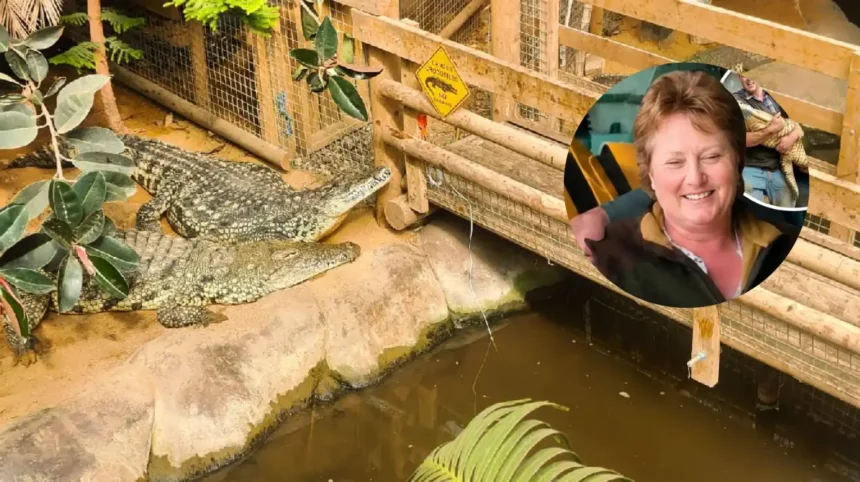
According to the information provided, zoo staff pulled the boy out of the crocodile enclosure after he entered the area beneath fenced-off walkways. The rescue involved members of the Johnson family, including Tracey Johnson, husband Andy and their youngest son, according to Chris Newman of the National Centre for Reptile Welfare.
Newman said he had spoken to the family and that they were “all very distraught”. He added that the three family members involved in the rescue were “heroes” and said the family was still shaken by the incident. His remarks underline how quickly staff and family members had to respond during a dangerous situation involving live reptiles.
What is the Tropical House?
The Tropical House at Johnsons of Old Hurst contains several species of crocodile, including Nile crocodiles, broad-snouted caiman and American alligators. The reptiles are kept in a converted barn with metal-fenced, elevated walkways, allowing visitors to view the animals from above.
The zoo itself is located in the village of Old Hurst, north of Huntingdon, and is part of a larger licensed site that includes a farm, café and butcher’s shop. It has more than 100 animals, including lions and tigers. The crocodile house was built in 2009, which makes it one of the more established parts of the attraction.
Why does the reopening matter?
The reopening means the zoo has resumed normal access to one of its most distinctive exhibits only days after a highly serious incident. For many visitors, especially families, the enclosure is part of the attraction’s appeal, but the event has also raised concerns about supervision, safety and access inside the tropical section.
Public reaction to the reopening suggests the zoo remains important to the local community, with many people posting supportive messages online. At the same time, the fact that the zoo declined to comment further indicates it is likely trying to limit public statements while the police case continues.
Background of the development
Johnsons of Old Hurst has been operating for two decades as a licensed visitor site combining a zoo, farm and food business. Its crocodile house, built in 2009, is one of the features that has helped define the attraction. The enclosure sits below fenced walkways, and the Tropical House houses multiple reptile species.
The incident on 18 June brought the site into national attention because a child ended up in the enclosure and was seriously injured. The police investigation, the arrest of a man on suspicion of attempted murder, and the family’s rescue efforts have all shaped how the story has developed since then. The reopening now marks a new stage, but it does not end the wider questions around how the incident happened.
Prediction
For local families and regular visitors, the reopening may restore confidence over time, but some people may remain cautious about the crocodile exhibit for a while. The zoo may benefit from the public support it has received, yet it will also need to manage its reputation carefully while the investigation continues.
For the boy’s family, the focus is likely to stay on recovery and privacy rather than the reopening itself. For the wider audience, the case may lead to more attention on child safety, enclosure design and supervision standards at animal attractions, especially those with walk-through or elevated viewing areas.