
Key Points
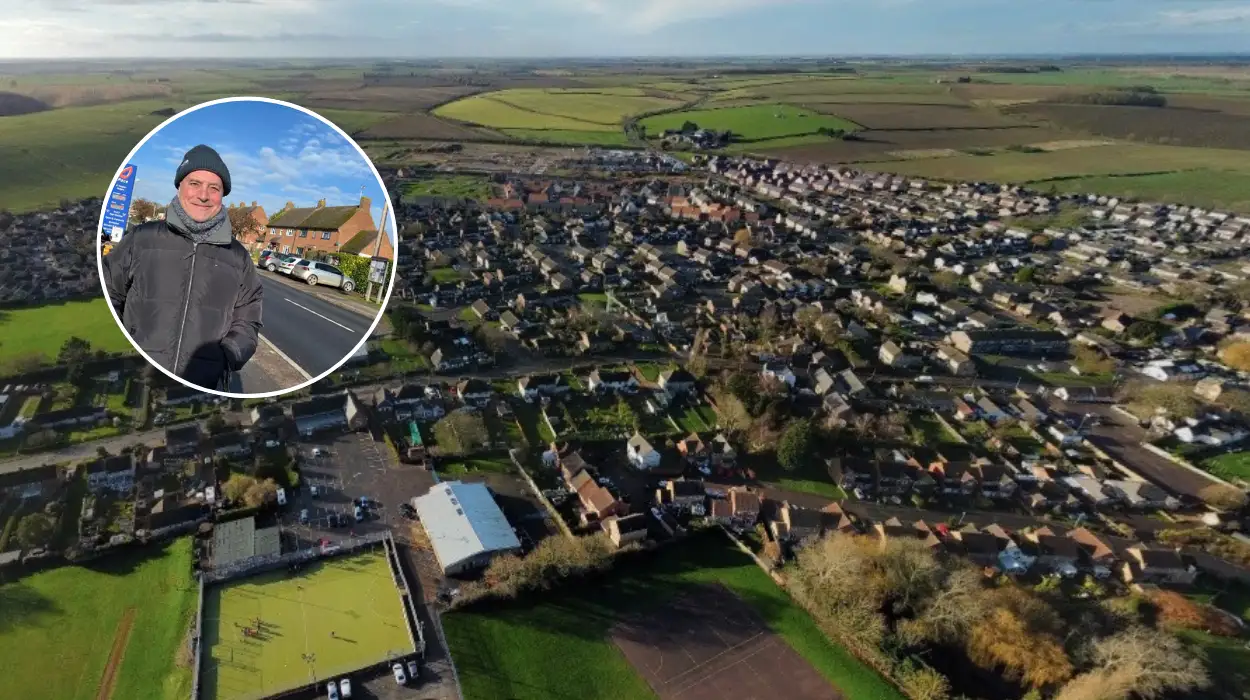
- Sawtry residents say their once “small village” has become “overgrown” after decades of housing growth and new estates.
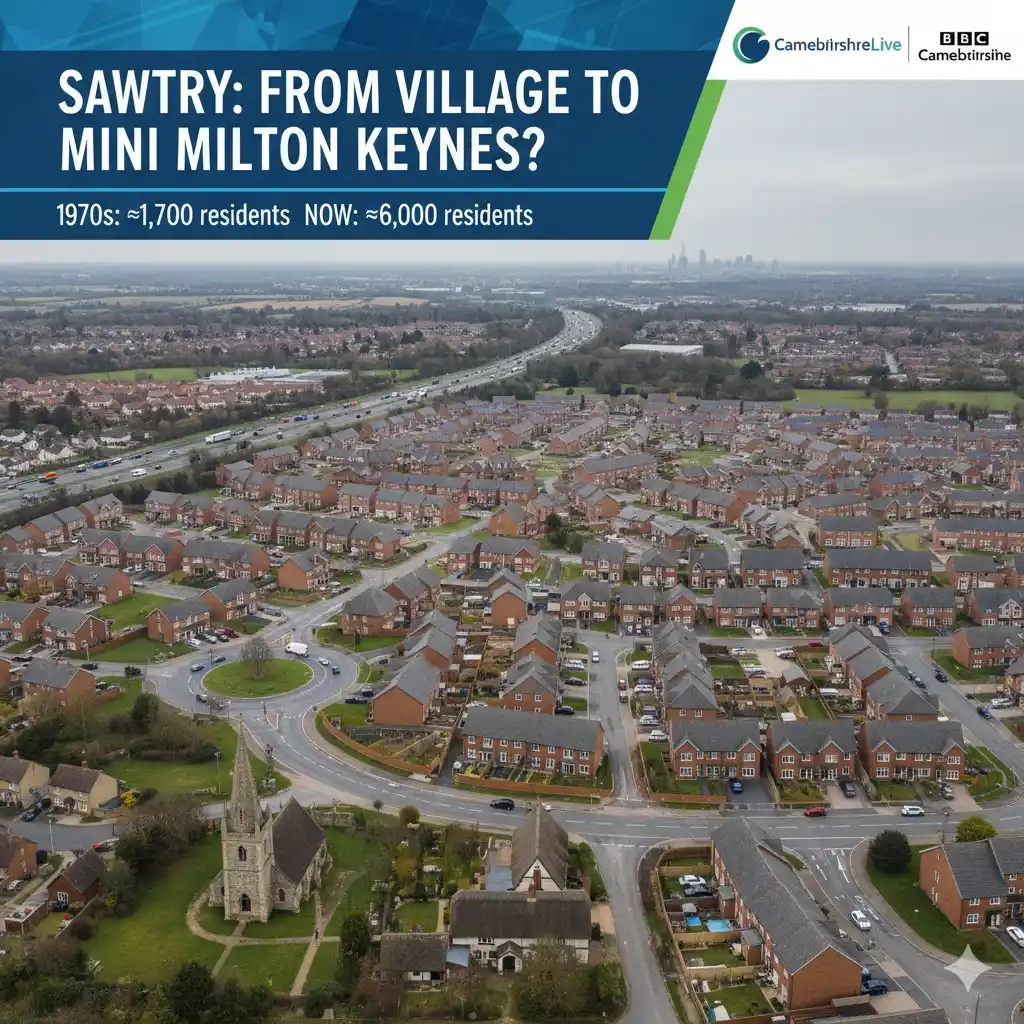
- The village’s population has risen from just over 1,700 in the 1970s to nearly 6,000 today, with more homes still being proposed.
- Locals describe Sawtry as a “mini Milton Keynes”, criticising the spread of new developments and the perceived loss of village character.
- One resident said the local infrastructure “can’t cope” if more houses are built, citing pressures on roads, schools and services.
- Sawtry’s location just off the A1 between Huntingdon and Peterborough makes it a highly desirable site for developers and commuters.
- Residents have raised concerns about increased traffic, congestion and road safety linked to recent and future developments.
- Fears have also been voiced about flooding risk, drainage, and pressure on utilities as more homes are added.
- Social media reactions show a split between those warning about overdevelopment and others arguing that Sawtry is a “perfect location” for much‑needed housing growth.
- Regional planning documents for Huntingdonshire and the wider Cambridgeshire area have long earmarked A1‑corridor settlements, including Sawtry, for growth subject to adequate infrastructure.
- Some local voices still praise Sawtry as a friendly place with “all you need”, despite tensions around its rapid expansion.
Cambridgeshire (Cambridgeshire Tribune) February 2, 2026 –Residents in the rapidly expanding Cambridgeshire village of Sawtry say their once “small village” has become “overgrown”, comparing it to a “mini Milton Keynes” as decades of new housing and population growth put mounting pressure on local roads, services and infrastructure.
- Key Points
- How has Sawtry grown from a small village to a ‘mini Milton Keynes’?
- Why are residents worried about local infrastructure and services?
- How important is the A1 and regional planning policy to Sawtry’s expansion?
- What specific issues are people raising about traffic, flooding and utilities?
- How divided is local opinion on further housing in Sawtry?
- What might happen next for Sawtry’s growth and infrastructure?
How has Sawtry grown from a small village to a ‘mini Milton Keynes’?
In coverage highlighted via CambridgeshireLive’s social channels, reporter Mark Taylor drew attention to residents describing Sawtry as “overgrown”, with one comparing it to a “mini Milton Keynes” as new estates have spread out from the historic core of the village. In a linked clip shared by BBC Cambridgeshire, the settlement is introduced as a village between Huntingdon and Peterborough where people say it has become “overgrown with new houses being built and infrastructure becoming overrun”.
Although detailed census figures are not cited in the posts, social media promotion of the CambridgeshireLive article points out that Sawtry had just over 1,700 residents in the 1970s and now has close to 6,000 people, reflecting five decades of near‑continuous development. As referenced in that material, much of this growth has been driven by Sawtry’s position just off the A1, offering easy access to jobs in Peterborough, Huntingdon and further afield, making it a prime target for new housing schemes.
The “mini Milton Keynes” label, reported by CambridgeshireLive and amplified on Facebook, reflects a sense among some long‑term residents that the village has shifted from a compact rural community to a more sprawling, planned‑estate settlement dominated by car‑oriented development. In comments responding to CambridgeshireLive’s promotion of the story, some users suggested that the scale and layout of recent building phases make the village feel more like a satellite new town than a traditional Cambridgeshire village.
Why are residents worried about local infrastructure and services?
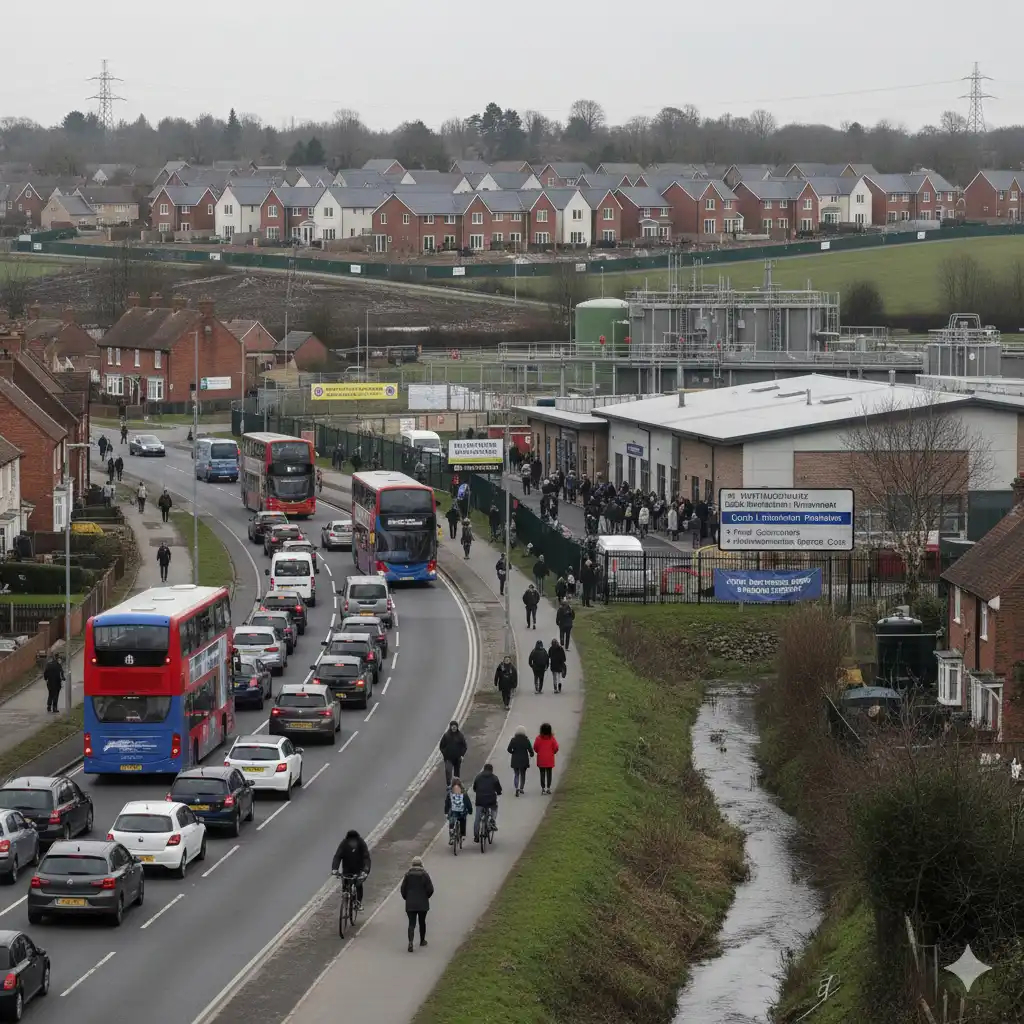
As reported by CambridgeshireLive’s Mark Taylor in promotional posts for the article, one unnamed resident said the local infrastructure “can’t cope” if more houses are built in Sawtry. A separate CambridgeshireLive social update about a Cambridgeshire community’s development concerns, which aligns with the Sawtry discussion, stated that residents were worried about “the impact on traffic of potential developments, with one saying increased [traffic]” would worsen conditions – underlining anxieties around congestion on local roads.
Another CambridgeshireLive post, also shared on Facebook, summarised community concerns in similar terms, saying residents were worried about “potential traffic, flooding and impact on local services”. Though not naming individual streets or schemes in these short updates, the themes of traffic pressure, drainage capacity and stretched public services match the complaints now being aired in Sawtry.
The idea that infrastructure is struggling is echoed more broadly in planning evidence for Huntingdonshire. In the district’s Local Investment Framework, produced for Huntingdonshire District Council, planners warn that major growth locations – including settlements along the A1 corridor such as Yaxley and Sawtry – are constrained by wastewater, sewer and transport capacity, with “limited spare capacity in existing sewers” and a need for strategic upgrades to support further housing. The same document stresses that long‑term expansion must be matched by investment in utilities, flood mitigation and transport improvements if communities are to remain sustainable.
How important is the A1 and regional planning policy to Sawtry’s expansion?
Promotional material shared by BBC Cambridgeshire describes Sawtry as a village “in between Huntingdon and Peterborough” situated by the A1, a trunk road that has made it a convenient base for commuters and a logical location for developers targeting the wider Cambridgeshire‑Peterborough area. As highlighted in the social media trail of an article picked up by the local outlet The Fens, locals have also praised Sawtry as a “friendly” village on the edge of the A1 that has “all you need”, underlining the appeal of its location and facilities even as concerns are raised about the pace of change.
At a strategic level, planning documents collected by Cambridgeshire & Peterborough Combined Authority show that growth along key transport corridors, including routes like the A1, has been an explicit part of sub‑regional planning. The Combined Authority’s Strategic Spatial Framework, referenced in committee papers, talks about aligning housing growth with major infrastructure and planning new settlements and “garden villages” in a way that avoids undermining existing local plans, signalling that villages in accessible locations were always likely to face pressure for expansion.
The Huntingdonshire Local Investment Framework, prepared for the district that covers Sawtry, similarly explains that thousands of new homes are needed across Huntingdonshire between 2001 and 2026, with at least 13,000 of the target of 75,000 new jobs for the Cambridgeshire sub‑region expected in the district. In that context, Sawtry’s proximity to the A1 and to employment centres such as Peterborough and Huntingdon has contributed to it being viewed as an appropriate focus for growth, even as residents challenge whether the supporting infrastructure has kept pace.
What specific issues are people raising about traffic, flooding and utilities?
The short CambridgeshireLive posts that trail the Sawtry coverage summarise residents’ complaints in three main areas: traffic, flooding and the impact on local services. In one of those posts, the newsroom notes that “residents are concerned with potential traffic, flooding and impact on local services”, which encapsulates fears that new estates will bring more cars to already busy roads, increase surface‑water run‑off and place additional strain on schools, GP surgeries and community facilities.
Infrastructure reports cited in Huntingdonshire’s Local Investment Framework indicate that such fears are not unique to Sawtry. For growth locations across the district, including Yaxley and Sawtry, the report sets out constraints on water supply, wastewater and sewerage, noting an “emphasis on discharge consent” issues due to environmental limits and proximity to existing treatment works, as well as “limited spare capacity in existing sewers”. It also references the need for negotiations with utilities and regulators to enable growth beyond certain thresholds, making clear that further development is contingent on upgrades.
The same document outlines wider transport and flood‑risk challenges around market towns and growth points, calling for measures such as improved bus stops, bus priority on key routes, and new walking and cycling links, as well as strategic sewer and wastewater treatment upgrades in growth locations. While it does not list individual Sawtry streets, the pattern of concerns it records – pressures on transport networks, flood‑plain constraints and the cost of infrastructure upgrades – mirrors the broad issues flagged by residents now describing their village as “overgrown”.
How divided is local opinion on further housing in Sawtry?
Reactions to CambridgeshireLive’s coverage on Facebook suggest that opinion in and around Sawtry is not uniform. While the original article trail highlights a resident warning that the infrastructure “can’t cope” with any more houses, some commenters push back, arguing that places like Sawtry are a “perfect location for much needed growth”, pointing to the housing shortage and the benefits of well‑located new homes.
A related social media post by The Fens about a “friendly” Cambridgeshire village on the edge of the A1 that has “all you need” – which readers have identified as Sawtry – also underlines that many people living in or visiting the village still regard it positively, noting its facilities and atmosphere. This more upbeat framing contrasts with the “mini Milton Keynes” complaint, illustrating a tension between those who value the additional amenities and opportunities brought by growth and those who feel the changes have diluted Sawtry’s traditional village character.
The debate also sits within a wider regional conversation about how and where Cambridgeshire should accommodate tens of thousands of new homes. Strategic papers at the Combined Authority refer to the need to ensure that “housing requirement that simply cannot be met in a particular area is met elsewhere” and that new settlements are properly planned and supported. For residents of Sawtry, that high‑level discussion translates into lived questions about traffic on local roads, queues at the doctor’s surgery and whether the primary schools can absorb more pupils.
What might happen next for Sawtry’s growth and infrastructure?
The posts promoting the CambridgeshireLive article do not set out specific next steps, but by airing residents’ language about Sawtry being “overgrown” and likened to a “mini Milton Keynes”, they effectively invite local authorities, developers and the Combined Authority to respond to concerns about infrastructure and the pace of development. Given the emphasis in Huntingdonshire’s Local Investment Framework on “securing the correct infrastructure” for growth locations and negotiating with agencies such as Anglian Water, the Environment Agency and utility companies, further development in and around Sawtry is likely to be scrutinised against capacity limits for roads, drainage and services.
Strategic documents for the Cambridgeshire & Peterborough Combined Authority stress that future phases of spatial planning must be “realistic and sustainable” and that binding agreements with organisations such as NHS Cambridgeshire and utility companies are needed to ensure infrastructure is delivered “in a timely and appropriate manner”. For Sawtry, that could mean that any new housing allocations or planning applications need to demonstrate tangible upgrades – from sewerage to transport links – if they are to secure public support in a community where some residents already feel the village has outgrown its infrastructure.