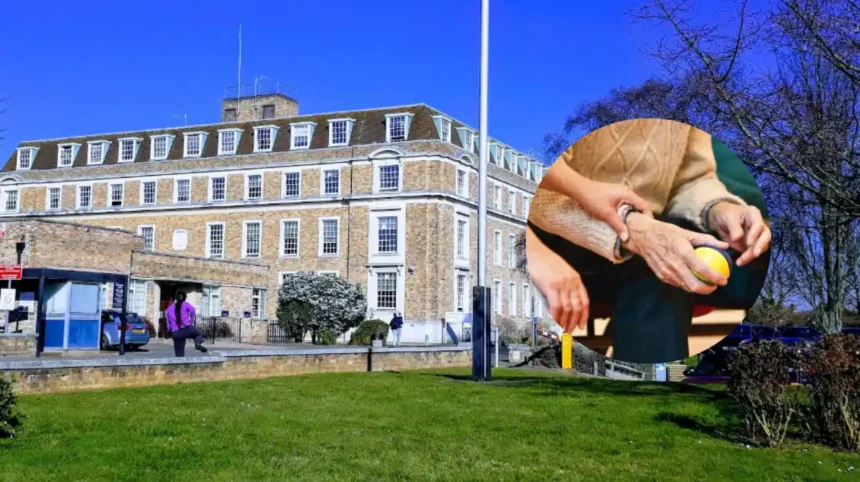
Cambridgeshire County Council is calling on residents to take part in the largest public engagement exercise on adult social care in a generation, as the Big Conversations on Care opens to the public.
Launched on 29 July by Baroness Louise Casey, chair of the Independent Commission on Adult Social Care, the programme invites people across England to help determine how a future National Care Service should work, including who qualifies for support, what families should be expected to do, and how the system should be paid for.
Cambridgeshire’s Adults and Health Committee is now encouraging residents “to have their say on the future of adult social care” as part of that national effort.
A commission with political weight behind it
Baroness Casey, a crossbench peer and former deputy director of the homelessness charity Shelter, was appointed to chair the Independent Commission on Adult Social Care commonly known as the Casey Commission in May 2025. The commission’s original mandate ran through to 2028, but Health Secretary Andy Burnham has since asked Baroness Casey to bring forward her final recommendations to summer 2027, a sign of how quickly social care has climbed the political agenda.
The launch of the Big Conversation coincided with a speech by the Prime Minister, and was accompanied by warnings from Baroness Casey that the care system is “broken.” She has argued that previous reform attempts collapsed because governments tried to settle difficult funding and eligibility questions before building public consent a lesson she says is shaping this exercise’s design.
How the engagement will work
The Big Conversation runs until April 2027, in two phases:
| Phase | Dates | Focus |
| Phase one | July–November 2026 | Values and principles expected of a care system; who should be eligible for support |
| Phase two | From late 2026 | Funding, delivery and long-term reform |
Members of the public can take part via a new online platform at caseycommission.co.uk/bigconversation, where they can submit proposals, respond to others’ suggestions and vote on ideas. Organisers have said they expect the exercise to reach up to a million people nationally, with particular efforts to include unpaid carers and those who may not engage online.
The local stake
For councils such as Cambridgeshire, which have direct responsibility for delivering adult social care, the exercise is as much about local accountability as it is about national policy. Councillor Graeme Wilson, chair of the county council’s Adults and Health Committee, said:
“Adult social care plays a vital role in helping people live independently, maintain their wellbeing and stay connected to their communities. The Big Conversation on Care is an important opportunity for residents across Cambridgeshire to share their experiences and help shape what adult social care should look like in the future.
“Whether you currently receive support, care for a family member, work in the sector, or simply have views about the kind of care system we need, I would encourage you to take part. By contributing to this national conversation, local people can help ensure that future services reflect the needs and expectations of those who rely on them.”
Why it matters
Adult social care has resisted reform for over two decades, with successive governments shelving proposals in the face of funding disputes and political risk. What distinguishes this attempt is sequencing: rather than opening with the contentious question of who pays, the commission is starting with values and eligibility testing whether public consensus can be built before the harder financial trade-offs are put on the table. Whether that consensus survives contact with phase two, when funding enters the discussion, will be the real test of the exercise — and one Cambridgeshire’s residents, like others across England, now have a direct hand in.
Take part: www.caseycommission.co.uk/bigconversation