
Key Points
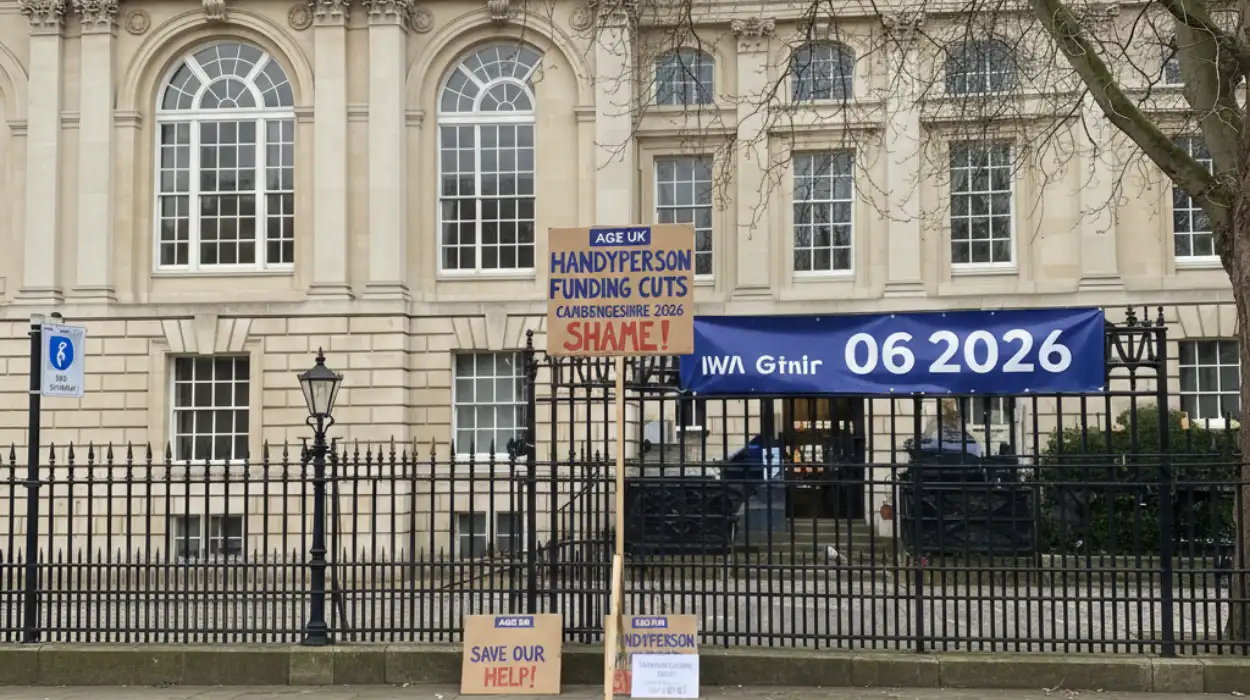
- Cambridgeshire Handyperson Services, delivered by Age UK Cambridgeshire and Peterborough, faces funding cuts after Cambridgeshire County Council decided not to renew its contract.
- The service is expected to support around 2,000 households in the county this year with essential aids and adaptations to help prevent falls.
- The decision will save the local authority £88,000 a year, as the total annual contract cost is £169,000, including contributions from district councils.
- Age UK expressed being “extremely disappointed” and is “doing everything in its power” to prevent closure, including urgent discussions with district councils.
- Chief Executive Melanie Pittock warned of “significant additional pressure” on reablement teams, falls-prevention services, and adult social care.
- Local residents will “understandably” be concerned about where to turn if the service ends, with risks of longer waits and service changes without sufficient funding.
- The service will continue into the 2026-27 financial year with a four-month notice period “to enable a safe transition”.
- The county council recognises the service’s value but stated, “we do not take this decision lightly” and “will not be renewing the current contract”.
- Pittock emphasised that closure is not inevitable and reiterated, “we cannot allow this service to disappear”.
Cambridgeshire (Cambridge Tribune) February 24, 2026 – Cambridgeshire County Council has opted not to renew the contract for the Handyperson Services provided by Age UK Cambridgeshire and Peterborough, casting uncertainty over a scheme described as a “vital lifeline” for older and disabled residents. The service, which delivers essential aids and adaptations to prevent falls, supports approximately 2,000 households annually across the county. This decision is projected to save the council £88,000 yearly from the £169,000 total contract cost, which incorporates funding from district councils, though the service will persist into the 2026-27 financial year for a safe transition.
- Key Points
- What Led to the Funding Cut for Age UK Cambridgeshire Handyperson Services?
- How Has Age UK Responded to the Funding Decision?
- Why Is the Handyperson Service Considered a Vital Lifeline?
- What Specific Impacts Have Been Highlighted by Age UK?
- What Savings Does the Council Expect from This Decision?
- How Will the Service Transition After the Funding Ends?
- What Concerns Do Residents Face Without This Service?
- Who Funds the Handyperson Services and What Role Do District Councils Play?
- Is Closure Inevitable for the Handyperson Services?
- What Broader Implications Does This Hold for Adult Social Care in Cambridgeshire?
What Led to the Funding Cut for Age UK Cambridgeshire Handyperson Services?
The Cambridgeshire County Council‘s choice stems from budgetary pressures, with a spokesperson confirming the non-renewal of the current contract. As reported in coverage of the decision, the local authority fully recognises that the handyperson service has provided valuable support to some residents. The spokesperson added:
“We do not take this decision lightly. However, we have decided that we will not be renewing the current contract.”
This move aligns with efforts to trim expenditures, targeting £88,000 in annual savings. The total contract value stands at £169,000 per year, encompassing contributions from district councils. Despite the cut, the council has committed to a four-month notice period, allowing the service to operate into the 2026-27 financial year to facilitate a safe transition.
How Has Age UK Responded to the Funding Decision?
Age UK Cambridgeshire and Peterborough voiced strong opposition, describing itself as “extremely disappointed” by the council’s decision. Chief Executive Melanie Pittock stated that the organisation is “doing everything in its power” to prevent closure. She highlighted ongoing urgent discussions with district councils, who currently contribute to the service.
Pittock further noted:
“Local residents will understandably be concerned about where they will turn if the Handyperson Service is no longer available.”
She warned of broader implications, saying:
“The withdrawal of this contract risks placing significant additional pressure on already stretched reablement teams, falls-prevention services, and adult social care.”
Why Is the Handyperson Service Considered a Vital Lifeline?
The Handyperson Services scheme, delivered by Age UK Cambridgeshire and Peterborough, offers crucial aids and adaptations aimed at preventing falls among older and disabled residents. It is projected to assist around 2,000 households in Cambridgeshire this year alone. These interventions are essential for maintaining independence and safety in the home.
As Pittock emphasised, older and disabled adults across Cambridgeshire trust Age UK to support them when they need it most. Without sufficient funding, she cautioned, people will likely face longer waits, and the service will inevitably have to change. This underscores the scheme’s role as a “vital lifeline” for vulnerable community members.
What Specific Impacts Have Been Highlighted by Age UK?
Melanie Pittock detailed the potential fallout, stating:
“I am deeply concerned about the impact this will have not only on the individuals we support, but on the statutory services that will feel the consequences almost immediately.”
She pointed to increased strain on reablement teams and falls-prevention services.
Pittock added:
“It is made even more challenging by the assumption that closure is inevitable. I must reiterate we cannot allow this service to disappear.”
At present, Age UK cannot confirm the service’s form beyond the notice period, while welcoming the four-month window as a “very limited” opportunity to plan ahead.
What Savings Does the Council Expect from This Decision?
Cambridgeshire County Council anticipates annual savings of £88,000 by not renewing the Handyperson Services contract. This figure represents the council’s direct contribution, separate from the £169,000 total annual cost that includes district council funding. The decision forms part of wider financial management strategies amid ongoing pressures on local authority budgets.
A council spokesperson acknowledged the service’s benefits but prioritised fiscal responsibility. The provision for continuation into the next financial year ensures no abrupt halt, prioritising resident welfare during the transition.

How Will the Service Transition After the Funding Ends?
The county council has specified that the service will run into the 2026-27 financial year to enable a safe transition. This includes a four-month notice period, which Age UK welcomes, albeit as a constrained timeframe for future planning. Melanie Pittock noted:
“While we welcome the four-month notice period, this is a very limited window in which to plan the future of such a critical service.”
Age UK is actively engaging district councils in discussions to explore sustained support. However, uncertainty persists, with Pittock unable to predict the service’s configuration post-notice period.
What Concerns Do Residents Face Without This Service?
Local residents, particularly older and disabled individuals, will understandably worry about alternatives, as per Melanie Pittock’s assessment. The loss could exacerbate demands on adult social care and related teams already under strain. Pittock stressed:
“Without sufficient funding, people will likely face longer waits, and the service will inevitably have to change.”
This could lead to heightened risks of falls and reduced home safety, directly affecting quality of life. Age UK’s role as a trusted provider amplifies these concerns, given residents’ reliance on the organisation during vulnerabilities.
Who Funds the Handyperson Services and What Role Do District Councils Play?
The service’s £169,000 annual budget draws from Cambridgeshire County Council and district councils. The county’s £88,000 share is the portion now targeted for elimination. Age UK is pursuing urgent talks with district councils to potentially sustain contributions.
Pittock underscored these partnerships as key to averting closure. District involvement remains pivotal, though specifics on their responses are pending.
Is Closure Inevitable for the Handyperson Services?
Melanie Pittock firmly rejected inevitability, declaring:
“At this moment, we cannot confirm what the service may look like beyond the notice period. I must reiterate we cannot allow this service to disappear.”
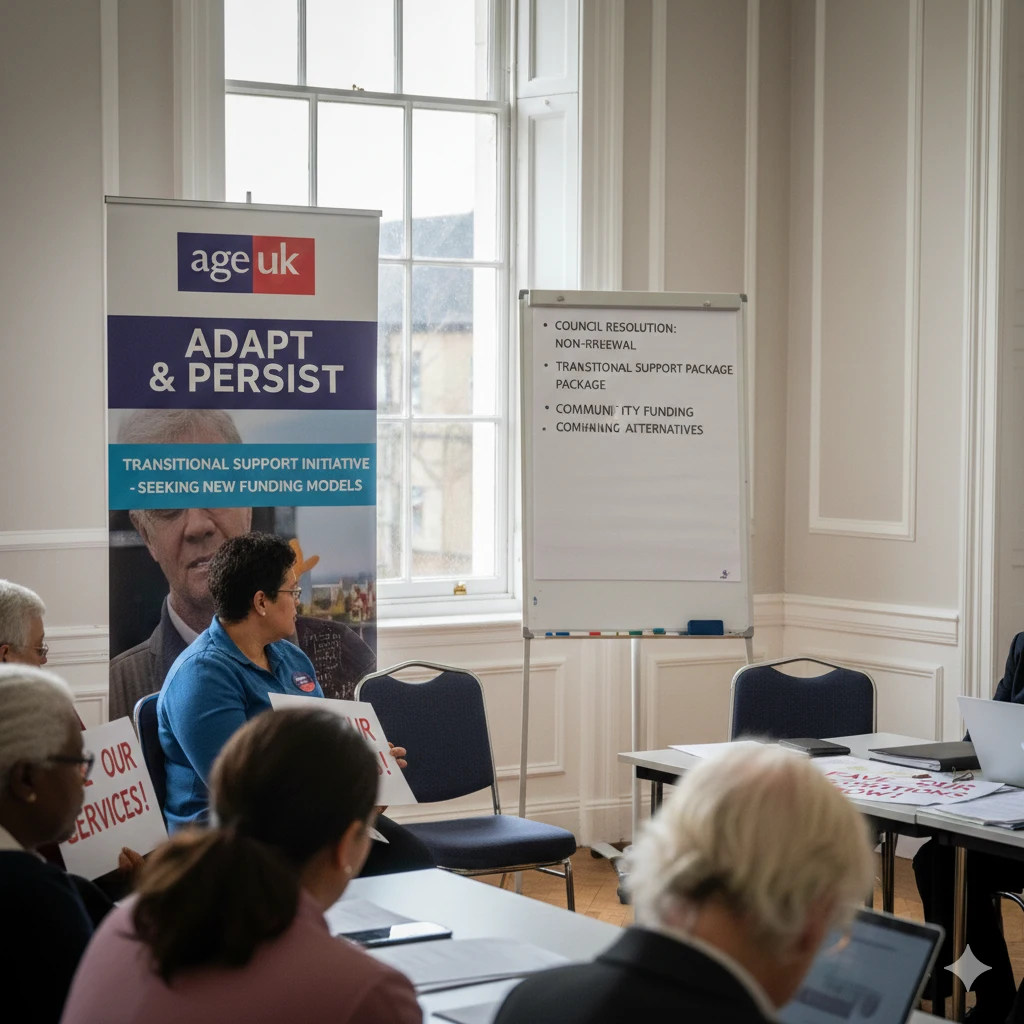
Age UK’s proactive measures signal determination to adapt and persist.
The council’s stance, while resolute on non-renewal, includes transitional support, leaving room for alternative funding models. Residents and advocates await outcomes from these negotiations.
What Broader Implications Does This Hold for Adult Social Care in Cambridgeshire?
The funding cut risks cascading effects on statutory services, as Pittock outlined. Reablement teams and falls-prevention units face intensified pressure, potentially straining resources county-wide. This decision highlights tensions between cost-saving and community welfare in local governance.
Cambridgeshire‘s older population, reliant on such preventatives, stands to suffer most. The saga reflects national challenges in social care funding, where vital services teeter amid fiscal constraints.
In summary of all sourced details, the controversy pits council economies against Age UK’s advocacy, with Melanie Pittock’s statements from disappointment to strategic resolve forming the core narrative. Cambridgeshire County Council’s measured response balances recognition of value with budgetary imperatives. As discussions unfold, the fate of this lifeline hangs in balance, demanding attention from residents and policymakers alike.