

Key Points
- Woodgreen Pets Charity in Godmanchester and other rescue centres in Cambridgeshire have several cats available for rehoming this October.
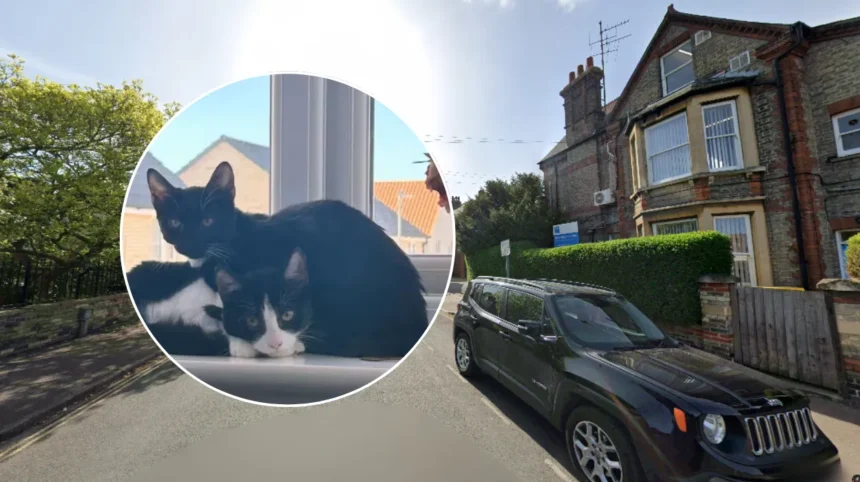
- Cats seeking homes include Miller, Wisp, Mitsy, and Bella, along with kitten pair Miss Kitty and Cookie.
- Adopters must be at least 18 years old and have landlord permission if renting their home.
- All rescue cats are microchipped, vaccinated, health-checked, and neutered before going to new owners.
CAMBRIDGESHIRE (Cambridge Tribune) October 10, 2026 – Animal welfare organizations across Cambridgeshire have issued an appeal to prospective pet owners as numerous rescue cats search for their forever homes this October.
Prominent regional charities, led by Woodgreen Pets Charity based at King’s Bush Farm in Godmanchester, have detailed several individual profiles of cats currently in care, ranging from energetic companions to quiet senior felines requiring peaceful retirement environments.
Welfare officials note that while demand for rescue animals remains steady, ensuring an exact match between a cat’s temperament and a household’s specific living setup remains the primary focus of the adoption process.
Which Cats Are Currently Looking For Homes In Cambridgeshire?
As detailed by the rehoming team at Woodgreen Pets Charity, several distinct personalities are currently awaiting placement in local households. Among those featured is Miller, described by charity caretakers as an affectionate cat with a vibrant personality and a strong appetite. Another resident, Wisp, is a gentle older cat seeking a tranquil home to spend her senior years.
Additionally, green-eyed Mitsy is noted for her preference for quiet hideaways where she can sleep undisturbed, while Bella, a black cat with a loving nature, actively seeks out human affection and interaction. Paired felines such as Miss Kitty and Cookie are also available for households capable of accommodating two kittens together.
As reported by Woodgreen Pets Charity, “By registering, we can proactively match you with a suitable cat. Our team will review your application and contact you if we find a potential match.”
What Is The Procedure For Adopting A Rescue Cat?
To ensure long-term animal welfare, rescue groups across the county enforce structured application guidelines. Prospective adopters must be aged 18 or older and have full authority or landlord permission to keep pets on their premises. Application procedures require detailed information regarding the household layout, presence of children or existing pets, and access to outdoor space or enclosed gardens.
For households that currently keep three or more cats, welfare teams conduct specialized advice calls to evaluate available space and resources before proceeding with a new placement. Approved applicants are invited to meet matched animals by appointment at regional facilities, such as the Godmanchester center, prior to completing final paperwork.
As reported by the RSPCA Rehoming Team, “Our teams review each application carefully to make sure the cat’s needs can be met. Cats can live 15 years or more and need ongoing care, attention and veterinary support.”
Background Of Regional Animal Rehoming Developments
Animal rescue operations in Cambridgeshire have evolved toward structured, match-based rehoming protocols designed to reduce return rates and maximize long-term placement stability.
Facilities such as Woodgreen Pets Charity in Godmanchester operate primarily by appointment, evaluating behavioral assessments and veterinary histories for each animal prior to listing them for adoption.
Rehoming fees charged by rescue organizations contribute toward essential medical care, including health checks, vaccinations, flea and worm treatments, microchipping, and neutering procedures.
Prediction: How Will This Development Affect Local Prospective Pet Owners?
This ongoing drive to place rescue cats into suitable Cambridgeshire homes is expected to streamline the adoption experience for potential pet owners across the region.
By utilizing detailed behavioral profiling and pre-adoption consultations, prospective owners will benefit from clearer guidance on selecting a feline companion suited to their specific living arrangements, whether in urban apartments or rural properties.
Consequently, local animal shelters anticipate improved retention rates and healthier integration for adopted pets, helping to alleviate capacity pressures on regional rescue centers over the coming winter months.