
Key Points
- Freya Hodge, a 22-year-old former journalism student from Uckfield in East Sussex, discovered her cancer diagnosis via the NHS app before her GP could tell her, prompting her to use ChatGPT to interpret the alarming X-ray results.
- Freya noticed a painless lump in her armpit in early 2024 and waited four weeks for a GP appointment, during which she continued rock climbing and daily activities.
- Her GP suspected a dislocated bone and ordered an X-ray; while awaiting an appointment to discuss results, Freya checked the NHS app and saw “tumour characteristic of a malignant bone tumour – osteosarcoma.”
- Freya described the moment as “like receiving a death sentence,” leading her to Google terms and panic while waiting for a GP call, during which she cried uncontrollably.
- She turned to ChatGPT to explain the medical jargon in the app, helping her understand the gravity of osteosarcoma, a rare bone cancer.
- Officially diagnosed with Parosteal osteosarcoma in June 2024 after further X-rays, MRI, biopsy (initially botched and redone) at the Teenage Cancer Trust unit at UCLH in London.
- Freya paused her journalism degree at Sheffield University to return home for treatment closer to family.
- Treatment involved six cycles of chemotherapy, causing hair loss, severe anxiety, panic attacks requiring medication and hospital visits, and nausea that ruined Christmas 2024.
- Freya chose chemo after consulting oncologists and five global specialists due to rarity of her tumour type; she researched options extensively.
- Treatment ended in March 2025; all-clear confirmed in May 2025, allowing her to celebrate a healthy Christmas and New Year’s Eve 2025.
- Freya now supports Teenage Cancer Trust’s Christmas fundraising, crediting them as a “lifeline” during treatment.
- She advocates that serious results like hers should not appear on the NHS app before doctor consultation to avoid distress.
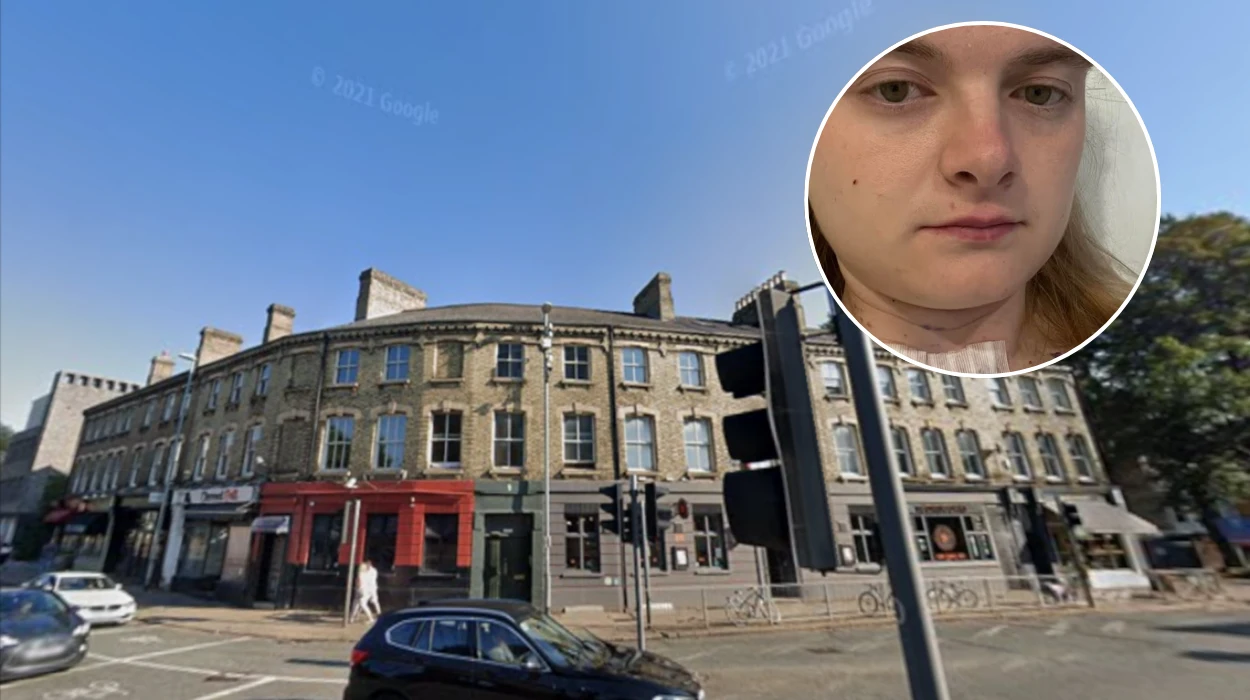
Cambridge (Cambridge Tribune) Feb 9, 2026 –Freya Hodge, a young woman pursuing a journalism degree, found out she had a rare form of bone cancer through the NHS app before her GP could inform her, and turned to ChatGPT to make sense of the shocking medical results.
- Key Points
- How did Freya Hodge first notice something was wrong?
- What did Freya see on the NHS app?
- How did ChatGPT help Freya understand her diagnosis?
- What was Freya’s official diagnosis and treatment journey?
- What side effects did Freya experience during chemotherapy?
- When did Freya get the all-clear?
- Why does Freya support changes to the NHS app?
- How has Freya supported Teenage Cancer Trust?
- What broader lessons emerge from Freya’s story?
- Could this happen to others using the NHS app?
How did Freya Hodge first notice something was wrong?
As reported by WalesOnline, Freya Hodge, then 21 and a journalism student at Sheffield University, noticed a painless lump in her armpit but was not overly concerned. She waited the standard four weeks for a GP appointment while carrying on with her active lifestyle, including her passion for rock climbing.
At her appointment, the GP suspected a dislocated bone and arranged an X-ray, followed by an invitation to discuss the findings. However, while on holiday in Norfolk with family, Freya opened the NHS app on her phone and immediately saw the devastating result: “tumour characteristic of a malignant bone tumour – osteosarcoma.”
What did Freya see on the NHS app?
As recounted by Freya Hodge in her interview with WalesOnline, the app displayed the X-ray notes stating
“tumour characteristic of a malignant bone tumour – osteosarcoma,” which she described as feeling “like I had just received a death sentence.” It was “so surreal; I was in complete disbelief,”
she said.
Unable to attend the in‑person appointment immediately, Freya waited for a promised phone call but checked the app again, confronting the words in “stark print.” She began Googling unfamiliar terms like osteosarcoma, never having considered cancer at her young age, which sent her into a panic with a racing heart and overwhelming fear.

How did ChatGPT help Freya understand her diagnosis?
Faced with the technical language in the NHS app results, Freya turned to ChatGPT to break down what “osteosarcoma” and “malignant bone tumour” meant in plain terms. The AI tool explained the severity of the condition, helping her grasp that it was a form of cancer requiring urgent attention, even as she awaited confirmation from medical professionals.
This step provided crucial clarity during a terrifying wait for the GP call, which she later barely remembered due to tears and shock. Freya rushed to tell her mother, breaking down, and later reflected that seeing such results without prior doctor discussion was “an awful way to find out.”
What was Freya’s official diagnosis and treatment journey?
As reported by WalesOnline, Freya was referred for further tests including another X-ray, MRI and biopsy, but the initial biopsy was botched and had to be redone, delaying her official diagnosis by two weeks. In June 2024, she was confirmed to have Parosteal osteosarcoma, a rare subtype of bone cancer.
She paused her studies at Sheffield to return to Uckfield in East Sussex for treatment near family at the Teenage Cancer Trust unit at University College London Hospitals (UCLH), which specialises in young cancer patients. Due to the tumour’s rarity, her oncologist consulted five specialists worldwide; Freya researched extensively and opted for six cycles of chemotherapy despite uncertainty over its efficacy.
What side effects did Freya experience during chemotherapy?
Freya told WalesOnline that chemotherapy brought profound physical and mental challenges, including hair loss which made her feel her body had “betrayed” her, preventing her from showering for two weeks. She developed severe anxiety and daily panic attacks requiring hospital visits, weekly counselling and eventually medication.
Nurses provided vital support during long days; one drug caused intense nausea, ruining her Christmas 2024 – instead of festivities, she spent New Year’s Eve with takeaways and TV countdown with friends. Despite this, she endured, with family and Teenage Cancer Trust support proving essential.
When did Freya get the all-clear?
Treatment concluded in March 2025, and Freya received the all-clear in May 2025 after scans confirmed no evidence of disease. She now feels “more like myself again,” looking forward to a proper celebration at Christmas and going out for New Year’s Eve as a healthy 22-year-old.
Reflecting on the year prior, Freya noted the contrast:
“Last year was different; losing my hair and feeling a lack of control over my body was significant.”
Her recovery marks a return to normalcy after a harrowing ordeal.
Why does Freya support changes to the NHS app?
Freya Hodge advocates strongly that results with serious implications, like hers, should not appear on the NHS app before a doctor’s consultation. As she told WalesOnline, “The X-ray results had serious consequences and required prompt action. For cases like this, I feel they should not be accessible on the app until after a formal discussion with a doctor or consultant.”
This view stems from her traumatic experience of learning alone on holiday, amplifying panic without immediate professional support. She chose not to confront her GP about pre-empting the call, prioritising family support instead.
How has Freya supported Teenage Cancer Trust?
Now cancer-free, Freya is backing the Teenage Cancer Trust’s Christmas fundraising campaign, describing their unit at UCLH as a “lifeline” for her and her family through “some of the darkest moments.” The specialist care for young patients made treatment more bearable amid psychological strains.
Her involvement highlights the charity’s role in supporting over 2,500 young people annually with cancer in the UK, providing dedicated nurses, youth workers and facilities. Freya’s story underscores the emotional and practical aid these services offer.
What broader lessons emerge from Freya’s story?
Freya’s case, as detailed by WalesOnline, illustrates risks of digital health records without safeguards, especially for life-altering diagnoses. It also shows AI tools like ChatGPT filling informational gaps, explaining complex terms when patients feel desperate.
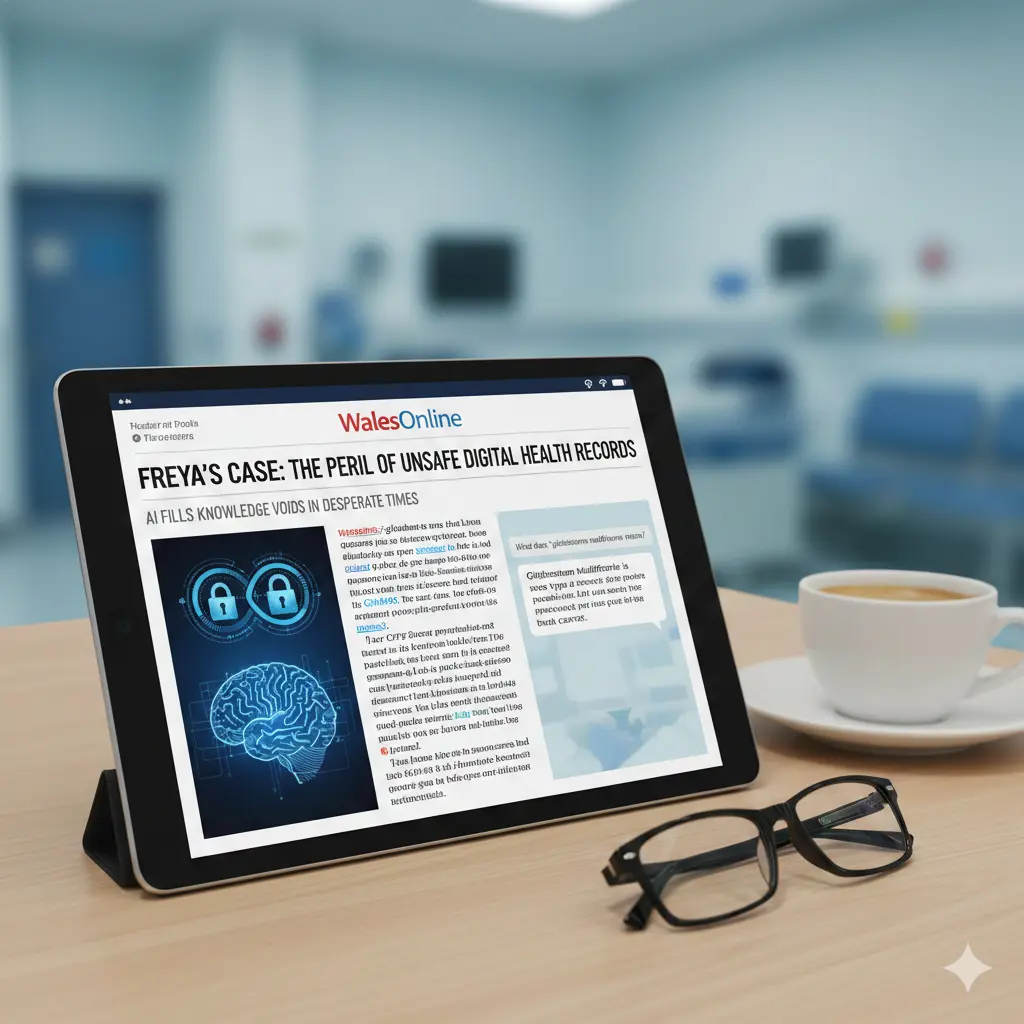
While not a substitute for medical advice, ChatGPT empowered Freya to process results, complementing – not replacing – her GP interactions. Her journey from lump discovery to remission emphasises persistence, family support and specialised youth cancer care.
Could this happen to others using the NHS app?
Similar stories have emerged, though Freya’s is localised to East Sussex; her experience echoes concerns over app access to sensitive results. WalesOnline’s coverage notes Freya’s call for policy review to prevent “awful” self-discovery moments.
Health experts may review protocols, balancing patient empowerment with emotional protection. Freya’s use of ChatGPT adds a modern twist, highlighting AI’s role in patient education amid evolving digital healthcare.