

Key Points
- Cadent Gas will replace 3,526 metres (3.5km) of ageing gas mains in Cambridge starting Monday 15 June 2026
- The project covers Campkin Road and Hawkins Road, with road closures lasting 11 weeks until Friday 28 August 2026
- Most work will take place during school summer holidays to minimise disruption to students
- Gas supply will stay ON for the duration; only properties with direct feed from replaced pipes will experience brief same-day disconnection
- Traffic management measures will be in place throughout the works
- The upgrade future-proofs the local gas network with new pipes designed to last decades
- Residents and business owners invited to attend a public event to learn about the essential works
- Cambridgeshire County Council and Network Rail were consulted before the project timeline was agreed
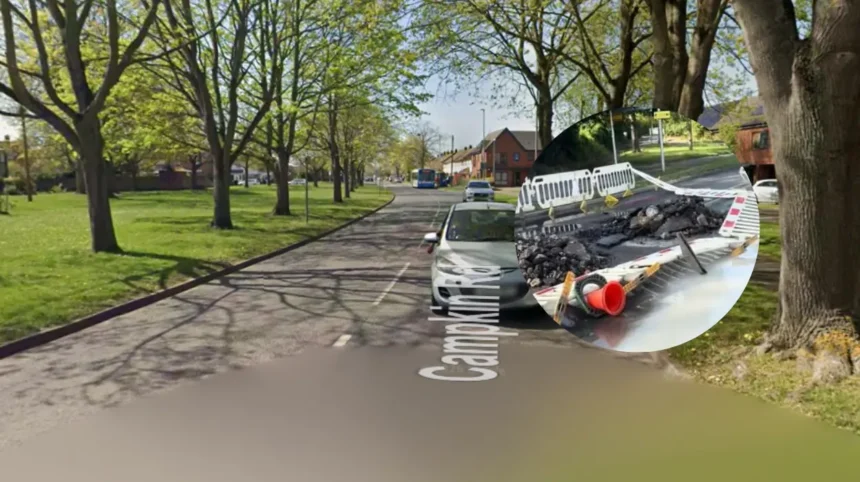
Cambridge (Cambridge Tribune) June 13, 2026 – Cambridge residents have been warned of significant road closures as engineers from Cadent begin replacing 3.5km of ageing gas mains across Campkin Road and Hawkins Road. The 11-week project, starting Monday 15 June 2026, will see traffic management measures implemented throughout the works area, with completion expected by Friday 28 August 2026.
- Key Points
- Why Is Cadent Replacing Ageing Gas Pipes in Cambridge Now?
- How Will Road Closures Impact Cambridge Residents and Drivers?
- Will Gas Supply Be Disrupted During the Replacement Works?
- When Did the Consultation Process Take Place with Local Authorities?
- What Public Engagement Opportunities Are Available for Residents?
- How Does This Project Compare to Previous Cambridge Gas Works?
- What Infrastructure Standards Will the New Gas Mains Meet?
- Where Exactly Will the Works Take Place in Cambridge?
- Background of the Gas Mains Replacement Development
- How Will This 11-Week Gas Works Development affect Cambridge Residents and Local Businesses?
As reported by the Cadent Gas official announcement on 8 June 2026, the scheme involves replacing more than 3,500 metres of ageing gas mains with tough new pipes which will last for decades, future-proofing the local network. The UK’s largest gas distribution network operator confirmed that gas pipes buried deep under Cambridge roads are due for essential replacement work.
Why Is Cadent Replacing Ageing Gas Pipes in Cambridge Now?
The pressing question for locals is why this work is happening now. As stated in Cadent’s official news release, the pipes being replaced are “ageing” infrastructure that requires urgent upgrading to maintain safe gas supply to the region. The company emphasised that the new pipes will future-proof Cambridge’s local gas network for decades of reliable service.
According to Cadent’s June 2026 announcement, the specific location covers Campkin Road and Hawkins Road, where 3,526 metres of gas main pipelines will be replaced. This represents a significant infrastructure investment in the city’s gas distribution system.
How Will Road Closures Impact Cambridge Residents and Drivers?
Road closures will be in place throughout the 11-week period, with traffic management measures implemented across the works area. As reported by Cadent Gas, the company has agreed to carry out these essential works over an 11-week period from Monday 15 June until Friday 28 August.
The timing has been strategically chosen following consultation with Cambridgeshire County Council, with a large part of the work taking place during the school summer holidays to minimise disruption to students and families. This decision demonstrates Cadent’s awareness of the inconvenience roadworks create for local communities.
Project manager Doug Taylor, speaking about a similar Cambridge gas project in Long Road during 2025, commented: “We are very aware of the inconvenience that roadworks create and will maintain regular communication with the highways authority”. While this specific quote references the 2025 project, it reflects Cadent’s standard approach to community communication during major works.
Will Gas Supply Be Disrupted During the Replacement Works?
One of the most important concerns for residents is whether gas supply will be interrupted. As clearly stated by Cadent Gas, “Gas stays ON for the duration of the works”. This is crucial information for households and businesses relying on continuous gas supply.
However, there is an important exception. According to Cadent’s official announcement:
“The only interruption to supply will be to properties that take a direct feed from the pipes being replaced (in the immediate local area). Supply to these properties will be disconnected for a short while (it will be back on the same day it goes off), as the property gets connected into the new pipe”.
This means only properties in the immediate local area with direct feed from the replaced pipes will experience brief disconnection, with supply restored the same day.
When Did the Consultation Process Take Place with Local Authorities?
The project timeline was developed following extensive consultation with key stakeholders. As reported by Cadent Gas, the company conducted consultation with Cambridgeshire County Council and Network Rail before agreeing on the 11-week timeframe. This consultation process ensured the project schedule balanced essential infrastructure work with minimal community disruption.
The consultation particularly focused on scheduling the majority of work during school summer holidays, demonstrating thorough consideration of local community needs. This approach mirrors Cadent’s earlier Cambridge project on Long Road in 2025, which also scheduled work during summer holidays.
What Public Engagement Opportunities Are Available for Residents?
Cadent has invited residents and business owners to participate in understanding the essential works. According to the company’s June 2026 announcement,
“residents and business owners in the area are invited to attend a public event to learn more about these essential gas works taking place”.
This public engagement demonstrates Cadent’s commitment to transparent communication with the communities affected by major infrastructure projects. The event will provide opportunities for locals to ask questions and understand the timeline and impact of the works.
How Does This Project Compare to Previous Cambridge Gas Works?
This 2026 project represents the second major phase of gas mains replacement in Cambridge. As reported by BBC News in July 2025, workers had started replacing 1,500 metres of ageing gas pipes in Long Road, with completion anticipated by September 26, 2025.
The Long Road project, completed in 2025, involved 1,500m (4,921ft) of pipes near the city centre, with traffic signals potentially operational until end of September. Cadent had also planned a second phase for summer 2026 at that time, which now appears to be the current Campkin Road and Hawkins Road project.
The current project is significantly larger, replacing 3,526 metres compared to the 1,500 metres in Long Road, representing more than double the infrastructure upgrade.
What Infrastructure Standards Will the New Gas Mains Meet?
The new pipes being installed will meet modern infrastructure standards designed for longevity. As stated by Cadent Gas, the project will see “3,526 metres of gas main pipelines being replaced with tough new pipes which will last for decades, future-proofing the local network”.
This upgrade represents essential infrastructure investment, replacing gas pipes that have been buried under Cambridge roads for many years. The replacement ensures the continued safe and reliable delivery of gas to Cambridge households and businesses.
Where Exactly Will the Works Take Place in Cambridge?
The works are concentrated in two specific Cambridge locations: Campkin Road and Hawkins Road. According to Cadent’s official announcement, these are the areas where
“gas pipes buried deep under roads in Cambridge are due to be replaced by engineers from Cadent”.
These locations are within Cambridge city, with the road closures affecting local traffic flow through these specific streets. The targeted approach means the disruption is concentrated rather than spread across multiple areas of the city.
Background of the Gas Mains Replacement Development
This essential infrastructure project stems from Cadent Gas’s ongoing programme to replace ageing gas mains across the UK. Cadent operates as the UK’s largest gas distribution network, responsible for maintaining and upgrading gas infrastructure serving millions of homes and businesses.
The Cambridge project follows a pattern seen across multiple UK locations. As reported by BBC News in January 2026, Cadent announced replacement of 2,000 metres of old gas pipes dating from 1912 in Sleaford, with work unfolding over an 11-week timeframe. This demonstrates that the 11-week duration for Cambridge is consistent with Cadent’s standard approach to major gas mains replacement projects.
The company’s broader infrastructure programme has achieved significant milestones. As reported by ACENET, Costain has hit a milestone with 1,625km of gas pipeline upgraded for Cadent, involving more than 230,000 reinstated excavations and 160,000m³ tonnes of backfill, meaning 168,000 homes now have new gas mains and supplies installed.
Previous Cambridge projects include the Hills Road works in June 2025, where Cadent started major work to upgrade and replace 1.4km of gas pipes along Station Road and Hills Road. That project experienced delays but ultimately halted and re-opened earlier than anticipated.
The Long Road project began Monday 7 July 2025, replacing 1,500 metres of ageing gas pipes, with work scheduled between Monday 7 July and Saturday 26 September 2025. This earlier project also placed a large section of work during school summer holidays following consultation with Cambridgeshire County Council, Network Rail, and residents.
The current Campkin Road and Hawkins Road project represents the summer 2026 phase that was previously announced as planned for the Long Road project.
How Will This 11-Week Gas Works Development affect Cambridge Residents and Local Businesses?
The 11-week road closures will significantly affect Cambridge locals in multiple ways. For residents living in Campkin Road and Hawkins Road, daily navigation will be disrupted by traffic management measures throughout the works period. The road closures mean alternative routes will be necessary for commuters and local drivers.
Bus route viability could be impacted. As reported by the Cambridge Independent on Facebook, similar work to install new gas pipes in Cambridge set to last 10 months could “significantly impact” the viability of key city bus routes. While the current project is 11 weeks rather than 10 months, bus operators may need to adjust routes or schedules during the closure period.
Local businesses in the affected areas face customer access challenges. The road closures may reduce foot traffic to shops and establishments along Campkin Road and Hawkins Road, potentially affecting revenue during the 11-week period. Businesses should communicate with customers about alternative access routes.
For families with children, the timing during school summer holidays provides some relief. However, the work extends from 15 June to 28 August, meaning the final weeks overlap with the start of the new school term. Parents may need to plan for potential traffic disruptions when returning to school routines in late August.
Properties with direct feed from the replaced pipes will experience brief gas disconnection, though supply returns the same day. Homeowners and tenants in the immediate local area should prepare for this short interruption by having alternative cooking or heating arrangements if needed.
Traffic signals may remain operational throughout the works period, potentially increasing journey times for drivers passing through Cambridge. Similar to the Long Road project where traffic signals operated until end of September, drivers should expect slower travel through the affected areas.
The future-proofing of the network means long-term benefits for Cambridge residents. The new pipes will last decades, reducing the likelihood of future disruptions and ensuring reliable gas supply. This infrastructure investment ultimately serves the community’s long-term needs despite the short-term inconvenience.
Residents should attend the public event Cadent has organised to learn more about the works. This provides an opportunity to understand specific impacts on their properties and ask questions about the timeline. Community engagement through such events helps minimise uncertainty and prepares residents for the changes ahead.