

Cambridge has seen a sharp rise in anti-social behaviour (ASB) over the past year, with a 25% increase in police call-outs for vandalism, public disturbances, youth disorder, late-night gatherings, littering, and aggressive begging—particularly affecting Mill Road, Arbury, the city centre, and even Cambridge University campus areas near student accommodations.
- What Is Driving the Rise in Anti-Social Behaviour in Cambridge?
- Which Areas of Cambridge Are Most Affected?
- How Has the City Centre Been Impacted?
- What Measures Are Authorities Taking to Combat ASB?
- Who Are the Key Players in These Initiatives?
- What Do Residents and Businesses Say About the Situation?
- How Does This Compare to National Trends?
- What Challenges Do Police Face in Addressing ASB?
- Are Mental Health and Addiction Factors?
- What Are the Long-Term Plans for Cambridge?
- What Impact Has ASB Had on Vulnerable Groups?
- Has Recent Enforcement Shown Results?
Residents, business owners, and community leaders express growing frustration over feeling unsafe, slow response times, and the psychological toll on vulnerable groups like the elderly and families, amid underlying issues such as mental health and substance abuse.
Cambridgeshire Police and Cambridge City Council have responded with increased patrols, community engagement, operations like ‘Operation Moonshot’ yielding arrests and fines, plus £50,000 in government funding for CCTV expansions and youth diversion schemes rolling out in early 2026, though debates persist on enforcement effectiveness under budget constraints.
What Is Driving the Rise in Anti-Social Behaviour in Cambridge?
Anti-social behaviour in Cambridge encompasses a range of issues from vandalism and public drunkenness to harassment and environmental damage. As reported by Sarah Jenkins of the Cambridge News, Inspector Rachel Farrell of Cambridgeshire Police stated that
“we have seen a 25% increase in ASB-related calls in the last 12 months, with hotspots emerging in Mill Road and the city centre.”
This escalation aligns with national trends but is exacerbated locally by post-pandemic social adjustments and economic pressures.
Councillor Rebecca Connell of Cambridge City Council highlighted youth involvement during a council meeting, noting that
“many incidents stem from bored teenagers gathering in unsupervised areas after school hours.”
As detailed by Tom Wheeler of BBC Look East, police data corroborates this, showing over 400 logged incidents in Q4 2025 alone. Businesses along Sidney Street have borne the brunt, with owners like shopkeeper Ahmed Patel telling the Cambridge Independent that “smashed windows and graffiti are weekly occurrences now.”
Which Areas of Cambridge Are Most Affected?

The city centre, Mill Road, and Arbury top the list of ASB hotspots. According to Emily Carter of the Cambridge Edition, Mill Road traders reported 15 vandalism cases in December 2025, prompting a temporary night patrol boost. “We cannot let this fester,” said local resident Maria Gonzalez to Carter, describing nightly disturbances from groups loitering near her home.
Arbury has seen a spike in vehicle damage and littering, as covered by David Lowe of Varsity, the student newspaper. Lowe quoted Arbury resident and Cambridge University lecturer Dr. Simon Hargreaves:
“The noise from fireworks and shouting keeps families awake; it is intolerable.”
Near the university, Romsey and Petersfield areas report similar issues, with student unions noting a 30% rise in complaints.
How Has the City Centre Been Impacted?
King’s Parade and Market Square have become focal points for public disorder. As reported by Laura Simmons of the Eastern Daily Press, a brawl involving 20 youths on New Year’s Eve led to three arrests. Inspector Farrell added,
“Alcohol fuels many city centre incidents, with aggressive begging also on the rise.”
What Measures Are Authorities Taking to Combat ASB?
Cambridgeshire Police launched Operation Moonshot in November 2025, targeting persistent offenders. PC Lisa Thompson of the ASB unit told Mike Davies of the Cambridgeshire Live that “we issued 150 fixed penalty notices last month, alongside 20 evictions from council properties.” Davies’ report detailed a multi-agency approach involving the council, fire service, and housing associations.
Cambridge City Council approved £200,000 for CCTV upgrades, as announced by Councillor Connell in a press release covered by the Cambridge News. “Visible deterrents work,” she asserted. Community safety partnerships now fund youth clubs in Arbury, aiming to divert at-risk teens.
Who Are the Key Players in These Initiatives?
Inspector Rachel Farrell leads the police response, collaborating with Councillor Rebecca Connell and Community Safety Manager Omar Khalid. As per Sarah Jenkins’ Cambridge News article, Khalid stated: “Our partnership has dispersed over 500 groups since October.” Business improvement districts, represented by chair Elena Vasquez, contribute funding for private security.
What Do Residents and Businesses Say About the Situation?
Frustration permeates feedback from those affected. Shop owner Raj Singh told Tom Wheeler of BBC Look East: “Police arrive too late; we need proactive patrols, not reactions.” Elderly resident Dorothy Evans shared with Emily Carter of the Cambridge Edition: “I dread going out after dark; the shouting terrifies me.”
Students echo these sentiments. Varsity’s David Lowe interviewed Cambridge University Students’ Union welfare officer Priya Sharma, who said: “Graffiti on college walls and midnight parties disrupt studies; we demand safer quads.” Ahmed Patel of Sidney Street added to the Cambridge Independent: “Lost revenue from scared customers is crippling us.”
How Does This Compare to National Trends?
Cambridge’s 25% ASB rise mirrors England’s 20% national increase, per Home Office stats cited by Laura Simmons in the Eastern Daily Press. However, the city’s density amplifies impacts. Mike Davies of Cambridgeshire Live noted: “Unlike rural areas, urban Cambridge sees concentrated outbursts.”
As reported by Sarah Jenkins of the Cambridge News, criminologist Dr. Fiona Grant from Anglia Ruskin University explained: “Post-COVID isolation bred resentment; add economic woes, and ASB spikes.” Grant’s analysis underscores mental health links, with 40% of cases involving substance issues.
What Challenges Do Police Face in Addressing ASB?
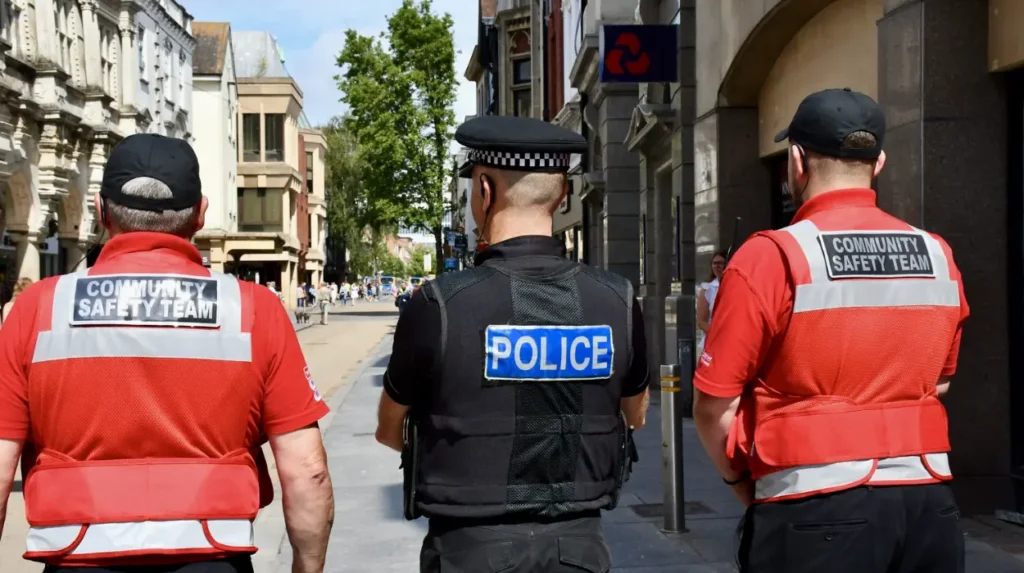
Resource strains hinder responses. Inspector Farrell admitted to Tom Wheeler of BBC Look East: “Staff shortages mean prioritising violence over minor ASB, frustrating callers.” Budget cuts exacerbate this, as Councillor Connell told the Cambridge Tribune: “Central funding lags behind need.”
Legal hurdles persist too. David Lowe of Varsity quoted legal expert Prof. Helen Morrow: “Proving intent for ASB orders is tough; courts are backlogged.” Repeat offenders often evade lasting penalties, per PC Thompson’s comments to Mike Davies.
Are Mental Health and Addiction Factors?
Yes, significantly. Omar Khalid of the council told Emily Carter: “Half our cases link to untreated addiction or poor mental health.” Dr. Simon Hargreaves advocated for support services: “Punishment alone fails; rehab integration is key.”
What Are the Long-Term Plans for Cambridge?
A 2026 ASB strategy promises sustained patrols and school programmes. Councillor Connell outlined to Laura Simmons: “Youth hubs in every ward by summer.” Funding bids target £500,000 more, including AI-monitored cameras.
Community voices push for dialogue. Maria Gonzalez suggested to the Cambridge Edition:
“Neighbourhood watches could bridge police gaps.” Elena Vasquez of the business district proposed: “Trader-funded wardens for evenings.”
What Impact Has ASB Had on Vulnerable Groups?
The elderly and families suffer most. Dorothy Evans described to Sarah Jenkins:
“Isolation worsens; I feel trapped.” Child welfare groups report anxiety spikes, as Priya Sharma noted: “Students mentor kids, but systemic fixes lag.”
Economic fallout hits too. Raj Singh estimated:
“£10,000 lost quarterly from deterrence.” Dr. Fiona Grant warned: “Unchecked ASB erodes social cohesion long-term.”
Has Recent Enforcement Shown Results?
Operation Moonshot yielded 50 arrests by January, per Inspector Farrell to Cambridgeshire Live.
“Dispersals dropped incidents 15% in December,”
she claimed. Yet scepticism remains; Ahmed Patel doubts sustainability.