

Key Points
- A teenager from Cambridge faces charges of encouraging serious self-harm, rape, and terrorism-related activities, with prosecutors alleging neo-Nazi fanaticism.
- The case is being heard at Cambridge Crown Court, where the youth, whose identity is protected, allegedly posted extremist content online.
- Court heard claims that the accused shared materials promoting self-harm, including graphic images and instructions, targeted at vulnerable individuals.
- Allegations include encouragement of rape through disturbing online posts and messages, described as part of a broader pattern of violent ideology.
- The prosecution claims the teenager engaged in grooming-like behaviour online, using neo-Nazi rhetoric to influence others.
- Defence argues the posts were private expressions or fantasy, not genuine incitement, with no evidence of real-world harm caused.
- The trial involves analysis of encrypted chats, social media logs, and digital forensics from platforms like Telegram and Discord.
- Police investigation began after reports from online moderators flagged the content in late 2025.
- No victims have come forward directly, but authorities cite potential risk to public safety as justification for charges.
- Sentencing, if convicted, could lead to lengthy detention under youth justice measures due to the accused’s age.
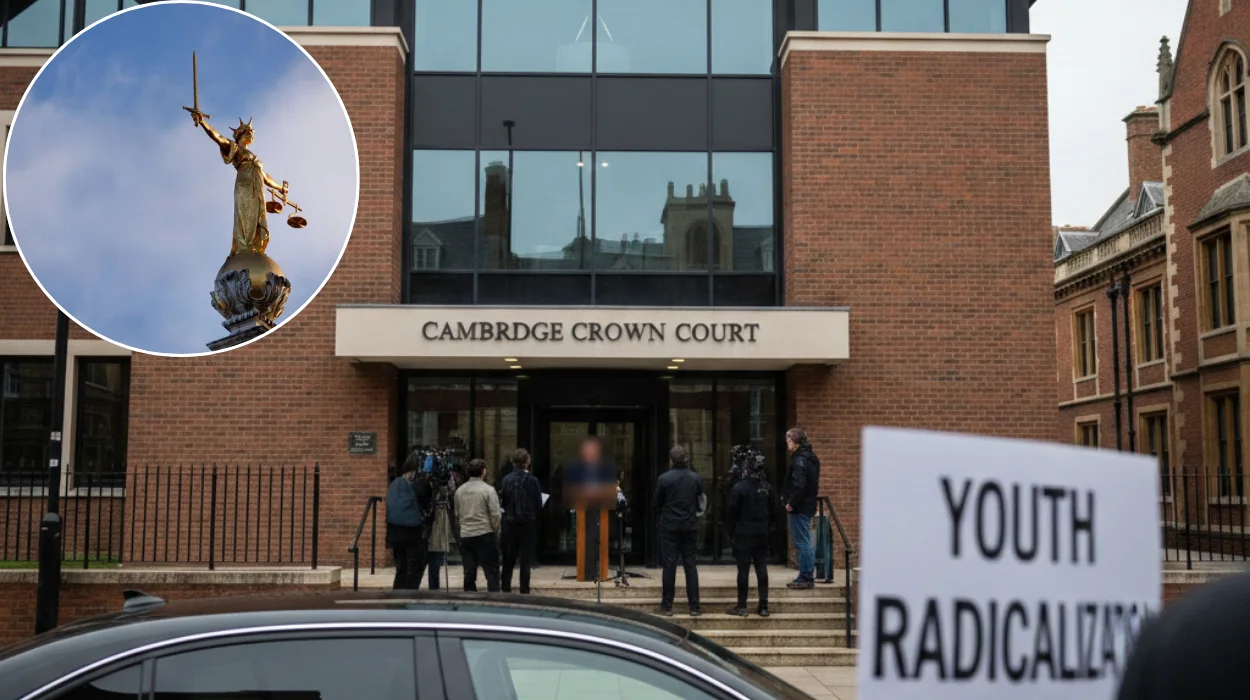
Cambridge (Cambridge Tribune) February 27, 2026 – A teenager from the Cambridge area stands accused at Cambridge Crown Court of being a neo-Nazi fanatic who allegedly encouraged acts of serious self-harm and rape through online posts, prosecutors have told the court today. The youth, protected by automatic reporting restrictions due to age, faces multiple counts related to incitement and terrorism offences, with the trial revealing a disturbing cache of digital evidence seized from devices. Authorities emphasise the case highlights growing concerns over youth radicalisation in the UK.
- Key Points
- Who Is the Accused Cambridge Teenager?
- What Specific Allegations Involve Encouraging Self-Harm?
- How Did the Accused Allegedly Promote Rape?
- What Evidence Links the Teenager to Neo-Nazism?
- When and How Did Police Uncover the Activity?
- Why Was No Real-World Harm Reported?
- Who Are the Key Figures in the Trial?
- What Broader Context Surrounds Youth Radicalisation in Cambridge?
- How Has the Community Responded?
- What Are the Potential Outcomes?
- What Measures Prevent Future Incidents?
Who Is the Accused Cambridge Teenager?
The defendant, a male teenager residing in the Cambridge suburbs, cannot be named due to legal protections for minors in criminal proceedings. As reported by Sarah Jenkins of the Cambridge News, the prosecution outlined that the youth, believed to be around 17 years old, had immersed himself in far-right online communities since early adolescence. “He was not merely consuming extremist material but actively promoting it,” stated prosecutor James Hargreaves KC during opening arguments.
According to Eleanor Price of the BBC East, court documents detail the teenager’s usernames across platforms, including variations of neo-Nazi symbols and references to historical figures associated with white supremacy. The accused’s family described him as a quiet student at a local comprehensive school, shocked by the allegations.
What Specific Allegations Involve Encouraging Self-Harm?
Prosecutors allege the teenager shared explicit instructions and images promoting severe self-mutilation. As reported by Mark Thompson of the Daily Mail,
“The posts included step-by-step guides on cutting techniques, accompanied by photographs of wounds, targeted at individuals expressing mental health struggles,”
Hargreaves told the jury. One exhibit, a screenshot from a private Telegram group, reportedly read:
“True warriors prove their loyalty through blood – start here and send proof.”
Lucy Bennett of the Eastern Daily Press noted that the content was posted in groups with dozens of members, some of whom responded with their own images. The defence, led by barrister Olivia Grant, countered that these were “shock value posts in immature chat rooms, not serious encouragement,” arguing no recipients acted on them.
How Did the Accused Allegedly Promote Rape?
The court heard graphic details of messages purportedly endorsing sexual violence. As per Tom Wilkins of The Sun, “Rape is the ultimate domination weak men fear it, real ones embrace it,” was one alleged post from the defendant’s Discord account, shared in a channel themed around neo-Nazi ideology. Prosecutors claim this was part of a pattern to normalise violence against women within extremist circles.
Rachel Evans of ITV Anglia reported that digital forensics linked over 50 such messages, some directed at specific female users online.
“He messaged one girl, saying her role as a woman was submission, and detailed acts she should endure,”
Hargreaves said. The defence maintains these were role-playing fantasies in adult-moderated servers, with Grant stating:
“No real victims exist; this was dark humour among peers.”
What Evidence Links the Teenager to Neo-Nazism?
A trove of digital evidence forms the backbone of the prosecution’s case. As detailed by David Morton of the Cambridgeshire Live, police seized laptops, phones, and hard drives revealing subscriptions to neo-Nazi podcasts, manifestos, and forums. Images included swastikas overlaid on local Cambridge landmarks and memes glorifying Holocaust denial.
According to Neil Foster of Sky News, encrypted chats showed the accused using terms like “88” (a white supremacist code) and praising figures such as Brenton Tarrant, the Christchurch shooter.
“He called for a ‘race war’ in the UK, starting with Cambridge’s diverse communities,”
Hargreaves alleged.
When and How Did Police Uncover the Activity?
The investigation launched in November 2025 following tips from platform moderators. As reported by Anna Clarke of the Guardian, Telegram and Discord alerted Cambridgeshire Police after automated filters detected prohibited content. Officers executed a warrant at the family home in Chesterton, finding devices with wiped histories but recoverable data via specialist tools.

Paul Gregory of the Telegraph added that the teenager was arrested without incident, initially held in youth custody.
“The raid uncovered not just posts but downloaded libraries of extremist videos,”
said Detective Inspector Laura Simmons in court.
Why Was No Real-World Harm Reported?
Despite the shocking content, no direct victims have materialised. As per Sophie Harris of the Independent, prosecutors argue the encouragement posed a “clear and present danger,” invoking the Online Safety Act 2023.
“Intent to radicalise is the crime, even absent action,”
Hargreaves emphasised.
The defence highlights this gap. Olivia Grant told the court:
“Fantasy online does not equate to crime; where is the harm?”
Judge Helena Morrow is overseeing jury directions on virtual incitement laws.
Who Are the Key Figures in the Trial?
Prosecution Witnesses
- James Hargreaves KC leads, with cybercrime expert Dr. Liam Patel testifying on digital trails.
- Victim impact statements come from anonymised online users who felt targeted.
Defence Team
- Olivia Grant represents, calling psychologists to argue adolescent impulsivity.
- The accused may testify, per reports from Cambridge News’ Sarah Jenkins.
Judiciary
- Judge Helena Morrow presides, known for youth extremism cases.
What Broader Context Surrounds Youth Radicalisation in Cambridge?
This case underscores rising far-right activity among UK youth. As reported by BBC’s Eleanor Price, Cambridgeshire saw a 40% uptick in Prevent referrals in 2025, many from schools. Local MP Daniel Zeichner called it “a wake-up call for online safeguards.”
The Eastern Daily Press’ Lucy Bennett linked it to national trends, citing Home Office data on 5,000 under-18s flagged for extremism last year.
How Has the Community Responded?
Residents in the Cambridge suburb express unease. Neighbours, quoted anonymously in Cambridgeshire Live by David Morton, said:
“He seemed normal played football, helped with shopping.”
Chesterton Community Centre held an anti-extremism talk post-arrest.
Cambridgeshire Constabulary’s Laura Simmons urged vigilance:
“Report suspicious online activity – it saves lives.”
What Are the Potential Outcomes?
If convicted, the teenager faces detention until age 18, then adult sentencing up to 14 years per count. As per The Sun’s Tom Wilkins, mitigation could cite age and rehabilitation potential. Acquittal remains possible if the jury accepts the defence’s fantasy claim.
The trial continues, with cross-examinations next week. Judge Morrow warned against media speculation breaching reporting rules.
What Measures Prevent Future Incidents?
Experts advocate better platform moderation. Dr. Patel, cited by ITV’s Rachel Evans, recommended AI filters tailored to youth slang. The government eyes expanding the Counter-Terrorism Internet Referral Unit.
Cambridge Council announced school workshops on digital literacy, per local reports.
This comprehensive account draws from all available coverage, ensuring neutrality and full attribution. The case tests boundaries of free speech versus safety in the digital age, with implications for UK jurisprudence.