Key Points
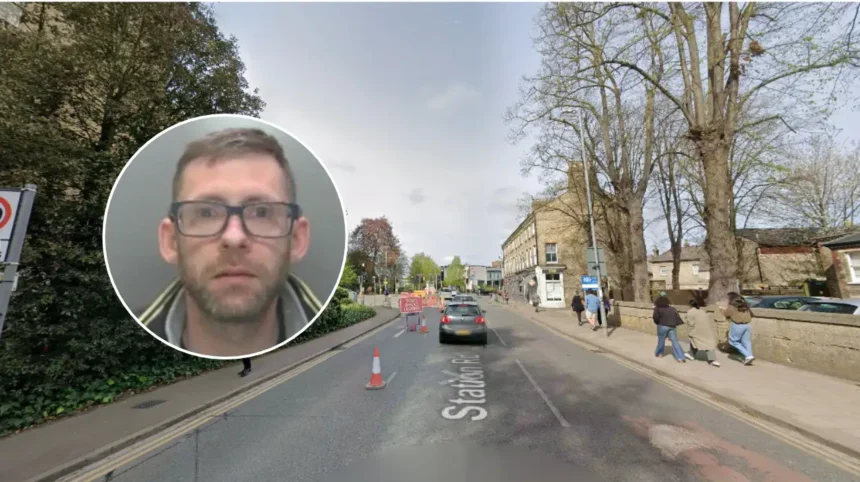
- Cambridge Crown Court sentenced 38-year-old Jamie Keegan, of Vars Road, Hampton Hargate, Peterborough, to two years and two months in prison on 15 October 2026.
- Keegan pleaded guilty to stalking involving serious alarm or distress after a month-long relationship ended.
- His campaign of harassment included sending images of self-harm, threatening suicide, and setting up fake accounts whenever the victim blocked him.
- The harassment escalated when Keegan located where the victim lived and sent her a photograph of himself holding a rope near her home.
- Keegan also contacted the victim’s family, friends, and colleagues, leading her co-workers to walk her to her car after work.
- Detective Constable Ryan Burke said persistent unwanted contact after a breakup is a serious crime rather than a sign of affection.
Peterborough (Cambridge Tribune) October 19, 2026 – A 38-year-old Peterborough man has been sentenced to more than two years in prison after refusing to accept the breakdown of a brief romantic relationship and launching a campaign of stalking and harassment against his victim.
Jamie Keegan, of Vars Road, Hampton Hargate, Peterborough, appeared before Cambridge Crown Court on 15 October 2026, where he was handed a sentence of two years and two months’ imprisonment. The custodial sentence followed his guilty plea to a charge of stalking involving serious alarm or distress.
What Led to the Prosecution of Jamie Keegan?
As reported by police reporting staff at Peterborough Matters, the offender embarked on a relentless pattern of unwanted contact following the conclusion of a month-long relationship with the victim.
Despite repeated requests from the victim to cease contact, Keegan continually disregarded her wishes and escalated his intrusive behaviour.
When the victim attempted to sever communications by blocking him across digital platforms, Keegan created multiple fake accounts to bypass her privacy settings. His communications rapidly degraded into coercive tactics, which included sending photographs of himself after engaging in self-harm and making persistent threats to take his own life.
How Did the Harassment Escalate?
As detailed by police logs released by Cambridgeshire Constabulary, Keegan’s actions intensified further when he discovered the physical location of the victim’s residence. He subsequently photographed himself holding a length of rope in close proximity to her home and transmitted the image directly to her.
In addition to targeting the victim directly, Keegan expanded his scope of harassment to include members of her family, personal acquaintances, and workplace colleagues. The widespread interference severely disrupted her daily routine, leaving her so distressed that colleagues were required to walk her safely to her motor vehicle after every work shift.
During formal questioning in a police interview, Keegan conceded that he had dispatched a “high volume of messages,” attempting to justify his actions by claiming he was seeking “some accountability” from his former partner.
As reported by crime reporters citing Detective Constable Ryan Burke of Cambridgeshire Constabulary, DC Burke stated that “Keegan simply refused to accept that the victim did not want a relationship with him”.
DC Burke further remarked:
“She repeatedly made her wishes clear and tried to cut contact, but he continued to pursue her, creating fake accounts and contacting her friends, family and workplace. His relentless behaviour caused her serious distress and affected her day-to-day life, including leaving her reliant on colleagues to walk her to her car after work.”
Addressing the broader societal context of stalking, DC Burke added:
“This case is a reminder that if someone tells you they do not want contact, you must respect that. Repeated unwanted contact is not romantic or persistent affection, it can amount to stalking.”
What Is the Background of This Particular Development?
Stalking and harassment cases involving former intimate partners continue to form a prominent focus for law enforcement within Cambridgeshire and across the UK.
Police forces have increasingly prioritised early intervention in cases where persistent, unwanted communication escalates into psychological intimidation, workplace harassment, or physical threats.
Under UK law, stalking involving serious alarm or distress carries stringent statutory penalties designed to protect individuals from targeted harassment campaigns that disrupt daily living and safety.
Cambridgeshire Constabulary regularly urges victims experiencing any form of unwanted pursuit or domestic harassment to report incidents early to enable legal interventions, such as restraining orders and immediate protective custody, before escalated harm occurs.
What Is the Prediction for How This Development Affects the Community?
This legal outcome and custodial sentence are expected to directly impact the local Peterborough community and victims of domestic abuse by reinforcing legal accountability for fixated harassment behaviours.
For victims of stalking and domestic harassment, the successful prosecution and multi-year prison sentence demonstrate that statutory authorities take digital harassment, third-party intrusion, and emotional intimidation seriously.
The judicial outcome provides reassurance that law enforcement and courts will intervene forcefully, potentially encouraging other victims of similar unyielding behaviour to come forward and seek protection.
For potential offenders, the case sets a firm precedent that claims of seeking “accountability” or expressing persistent affection do not legalise or excuse non-consensual contact. The imposition of immediate imprisonment underlines that violating personal boundaries, creating false profiles, and harassing a victim’s network carries severe legal consequences.